The best camera drones, ranked by who should buy them rather than by what they cost
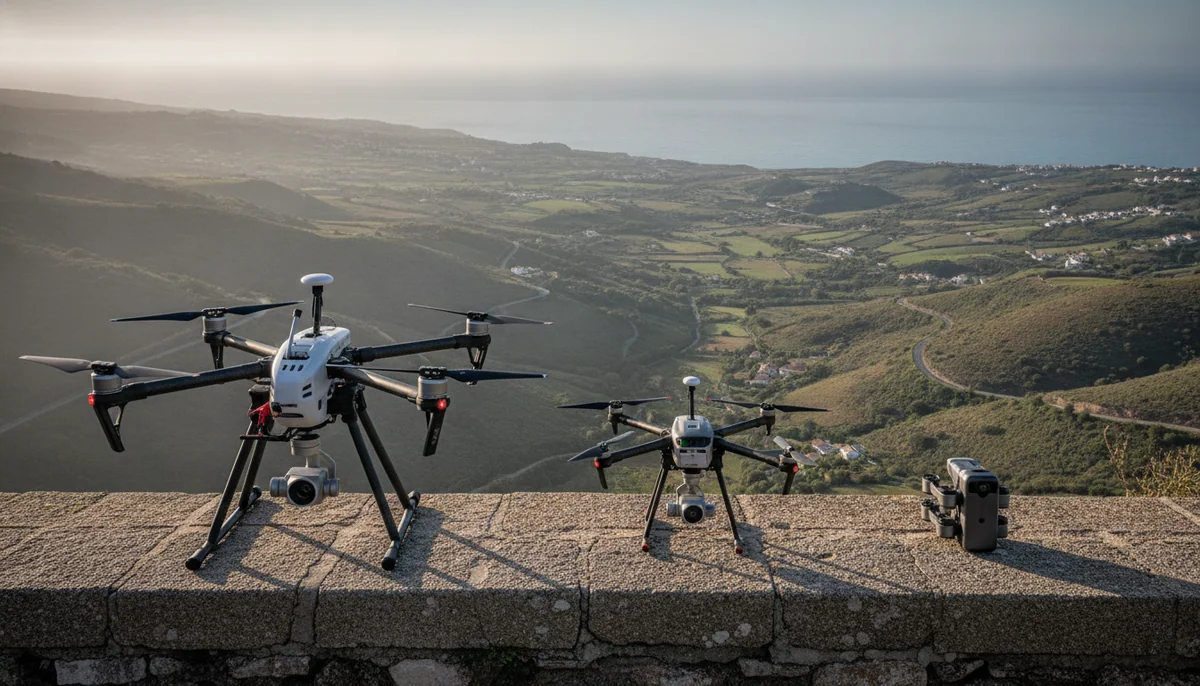
Every roundup of this kind pretends the ranking and the recommendation are the same thing. They are not. The Mavic 4 Pro is first here because nothing else in this class takes a better picture, and it is first with a warning attached, because the people who own one keep raising the same subject unprompted. Three separate reviewers on its own listing bring up after-sales risk without being asked, one of them recommending third-party cover because DJI's extended warranty is not available to him, and the single one-star review on the listing is from a working professional who was told there was a sixty to ninety day delay before he could even send an older drone in for repair. His verdict on the aircraft itself is that the camera and flight performance are excellent. He is not complaining about a drone. He is complaining about owning one.
So the useful question is not which of these is best. It is which one matches the way you will actually use it, and that question sorts these eleven aircraft into four groups that barely compete with each other. There are two serious cameras that happen to fly. There are three light drones that dodge the registration threshold. There are four machines whose entire job is to point a lens at you while you move. And there are two cheap GPS trainers that exist so your first crash costs you a shrug rather than a month's wages.
- Buy the flagship if
- the footage goes on invoices, you need matched colour across three focal lengths, and you could absorb losing the aircraft outright.
- Buy the Air 3S if
- wind or a missing second focal length has already ruined something you cared about, and you are willing to register the drone and broadcast Remote ID to fix it.
- Buy something under 249g if
- the drone has to live in a jacket pocket, travel without paperwork, and photograph things that stay where you put them.
- Buy a follow camera if
- you are the subject of your own footage and there is nobody standing there to hold a phone.
- Walk away from all of them if
- what you actually want is the sensation of flying in goggles, which is a different hobby covered in our FPV list.
One structural note before the picks, because it explains an otherwise strange ranking. PCMag's drone guide reports that the FCC added new foreign-made drones to its Covered List in December 2025, that DJI filed suit in February 2026, and that drones the agency previously approved can still be bought and flown. That is why a drone launched in 2022 is still near the top of this page and why "just wait for the newer one" has stopped being advice. It also means Quadcopter Bench cannot tell you what any of these will cost or whether a given listing has stock, and would not try.
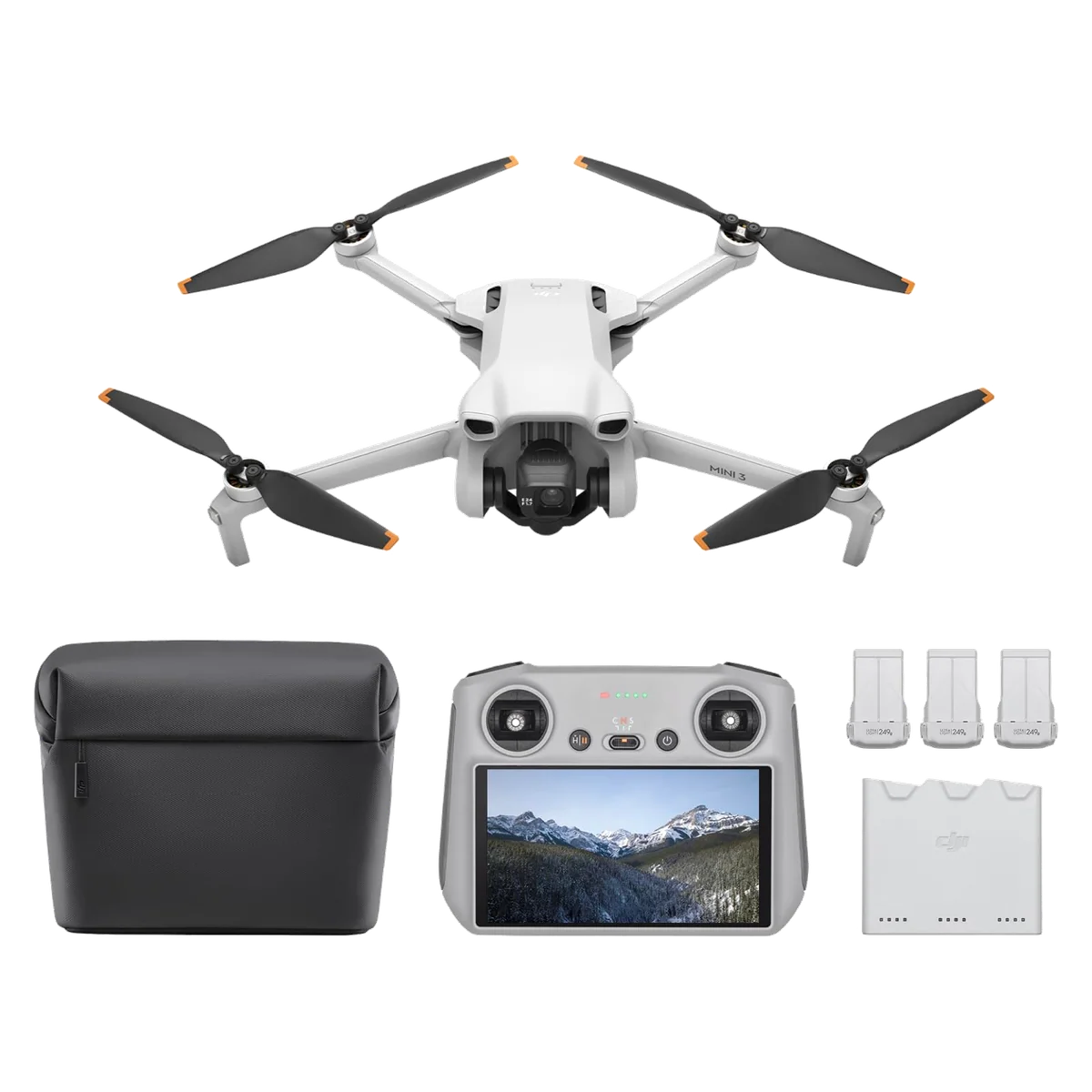
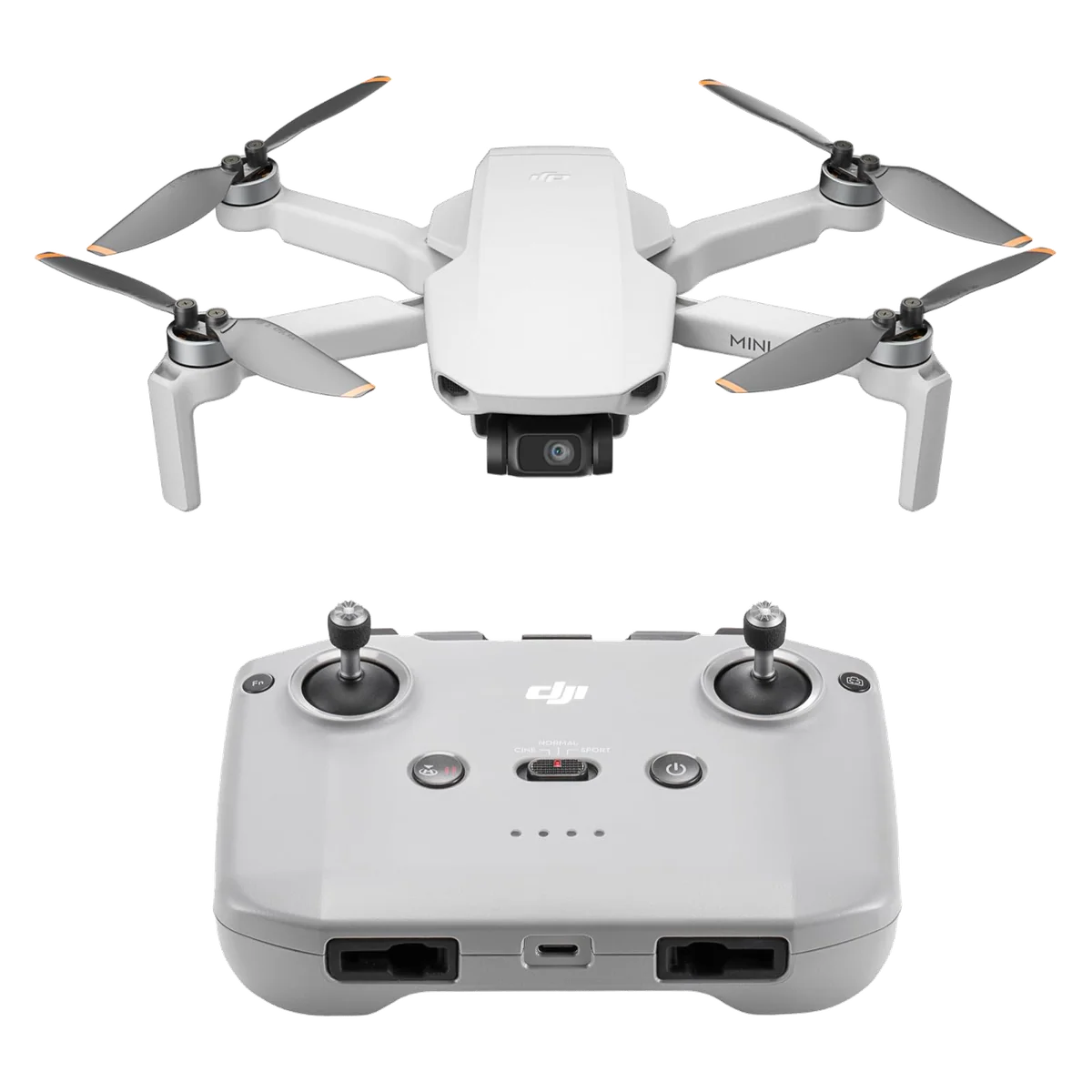
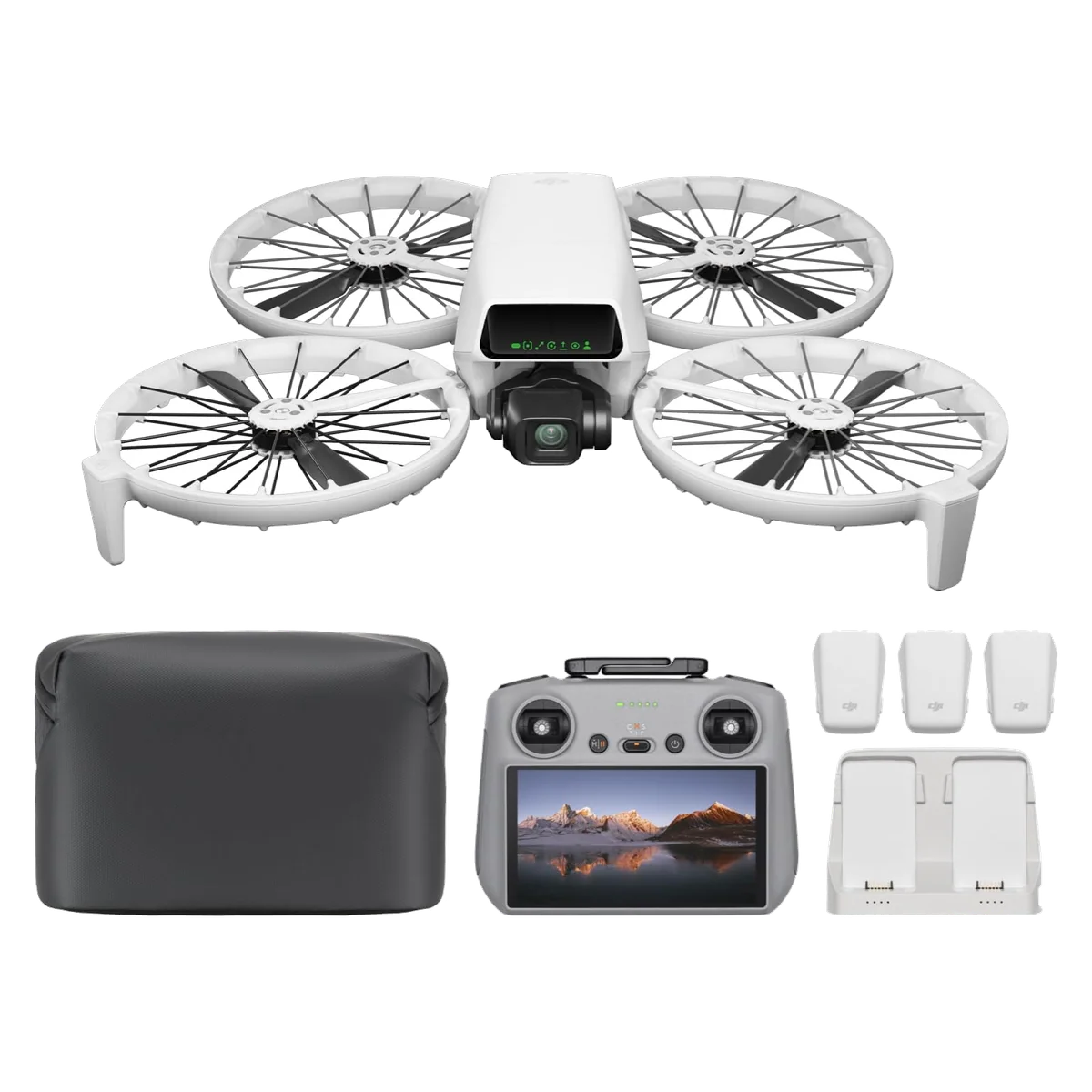
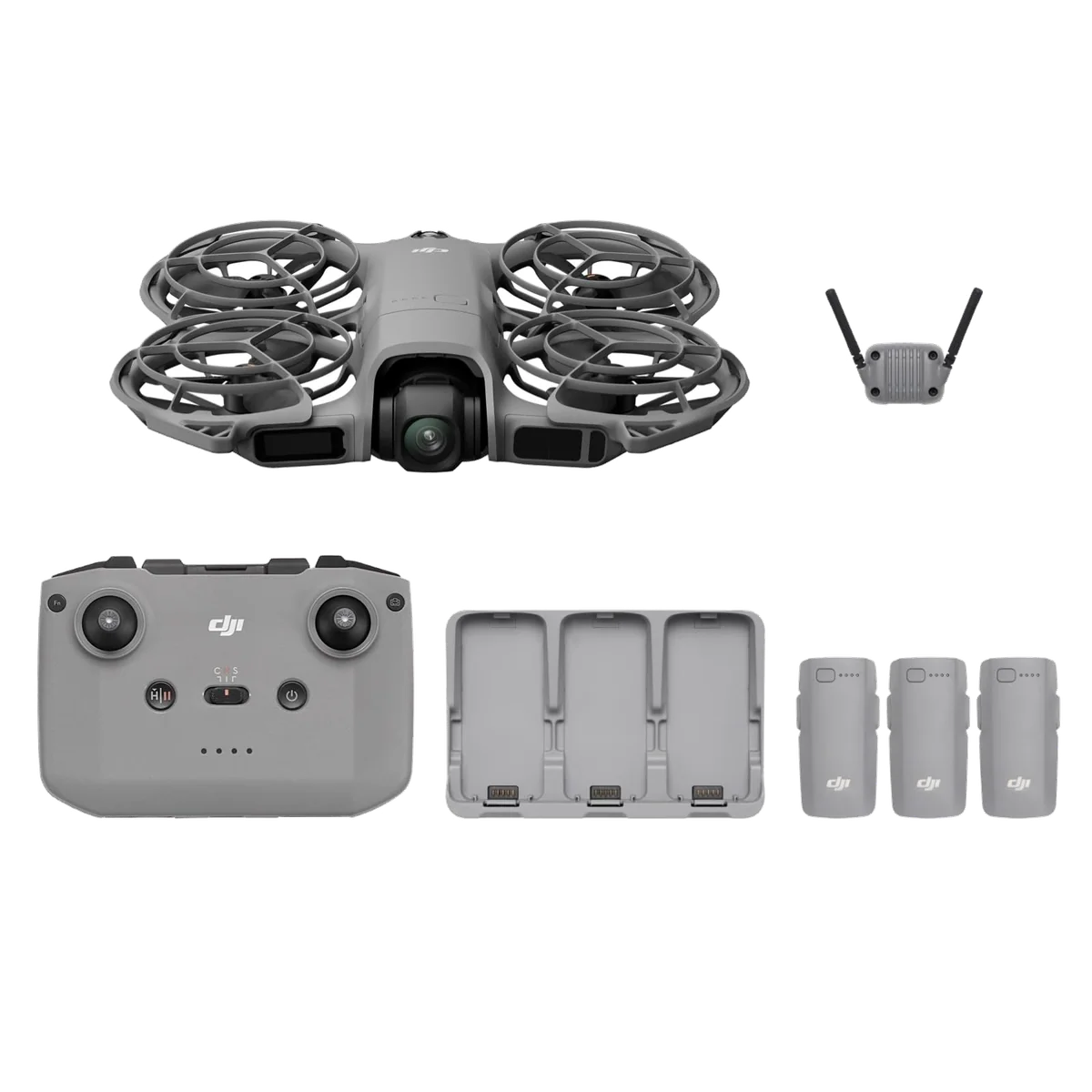
Quick Picks at a Glance
| Feature | Editor's Pick DJI Mavic 4 Pro | DJI Air 3S | Potensic Atom 2 | DJI Mini 3 Fly More Combo | DJI Mini 4K | DJI Flip | DJI Neo 2 | Potensic Atom SE | Holy Stone HS175D | DJI Neo | HOVERAir X1 |
|---|---|---|---|---|---|---|---|---|---|---|---|
| Price Range | Under $200 | $1,000–$1,500 | $500–$1,000 | $500–$1,000 | $200–$500 | $500–$1,000 | $200–$500 | $200–$500 | Under $200 | Under $200 | $200–$500 |
| Finish | Gray | gray | Gray | gray | Gray | Gray | Gary | Gray | Black | gray | Black |
| Configuration | 7.25 | Medium | ATOM 2 (RC with Three Batteries) | — | — | DJI Flip Fly More Combo (RC 2) | DJI Neo 2 Fly More Combo | 11.81 x 9.64 x 2.28 inches | 10.83" x 8.27" x 2.48" | — | Combo Plus |
| Check Price on Amazon | Check Price on Amazon | Check Price on Amazon | Check Price on Amazon | Check Price on Amazon | Check Price on Amazon | Check Price on Amazon | Check Price on Amazon | Check Price on Amazon | Check Price on Amazon | Check Price on Amazon |
The eleven, in order, and who each one is genuinely for
The top of this list is where the ambition lives, and where the ownership risk is concentrated. Read both entries together before you spend, because the gap between them is smaller in the picture than it is on the invoice.
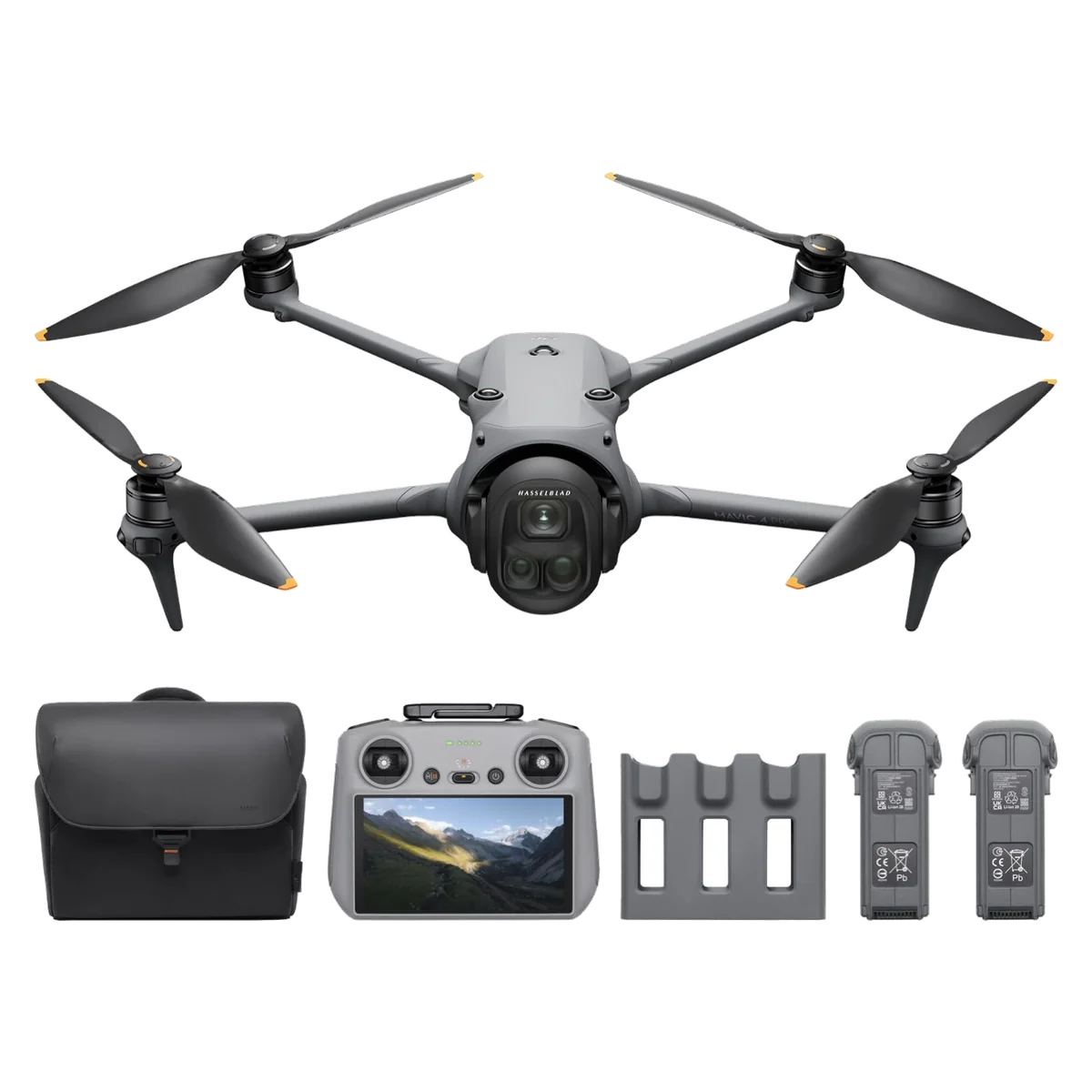
The flagship you buy as a business expense rather than as a treat.
Its three cameras finally share colour profiles and all shoot D-Log, which removes the post-production fight that put reviewers off the previous generation, and owners say it holds position in conditions that grounded everything they flew before.
US buyers cannot get DJI Care Refresh for it, and the only one-star reviewer on its listing is a professional who was quoted sixty to ninety days before he could send a drone in for repair at all.
Two things about that box deserve saying plainly, because both cost people money. The seventh bullet on the listing describes a seven-inch rotatable RC Pro 2 controller, and the eighth bullet, on the same listing, says the box contains a DJI RC 2, which is a 5.5-inch panel; the larger controller belongs to the separate Creator Combo, along with the 512GB of internal storage and ALL-I 4:2:2 encoding. If a client deliverable specifies 4:2:2, this is not the box, and no aftermarket accessory buys your way back into it. The other is the charging hub, which fills three batteries one after another until you separately buy the higher-wattage adapter that the Creator Combo ships with, so three batteries buy you a longer session rather than a faster turnaround. The two combos are set side by side here, and the fuller case sits in our Mavic 4 Pro review.
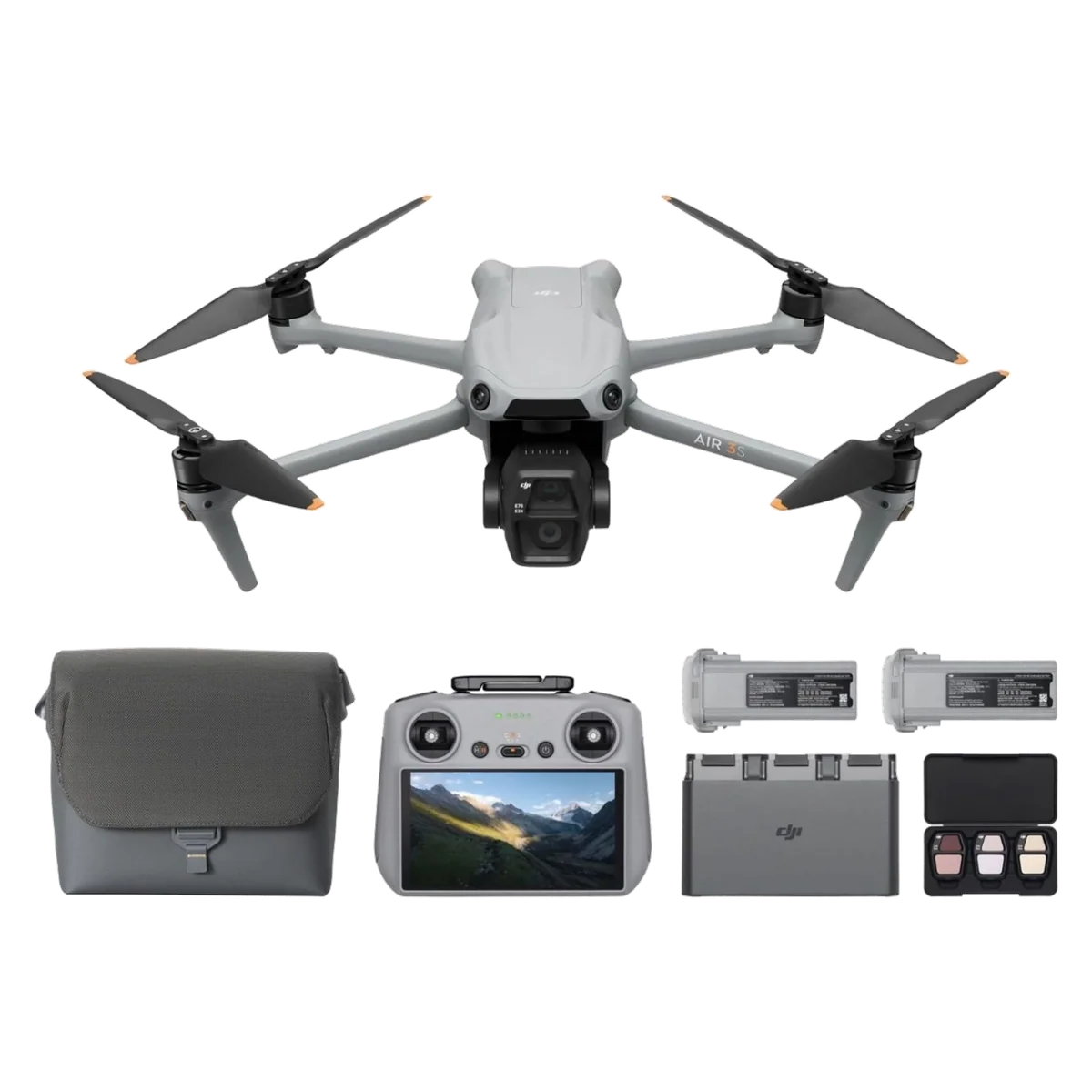
The drone to buy once a smaller one has already cost you the shot.
A 1-inch main sensor and a real 70mm second camera in an airframe heavy enough to hold a frame in gusts that leave a Mini bouncing, which is the combination nothing lighter on this page can offer at any price.
There is no wall charger in the box, and DJI's own listing tells you to buy a 65W one before you can turn a three-battery kit round in an evening.
The tele lens is the feature that converts sceptics: one owner upgrading from an Air 2 said outright that he expected to dismiss it and changed his mind after a shoot, because it let him frame distant subjects without flying at them. The catches are specific rather than vague. The bundled filter set runs ND8, ND32 and ND128, skipping the two values reviewers say they actually reach for on a fixed-aperture camera. Obstacle sensing switches off entirely in Sport mode. And the listing itself warns that failing to unbind the drone from your DJI account before a return can lead to unauthorised access and remote locking of the device, which is the clearest available statement that this is a networked product with an account behind it. At 724g it is also the wrong side of every light-drone exemption. Our Air 3S review and the comparison against the Mavic take that decision apart properly.
The light class, where the paperwork stops and the compromises start
Everything from here down stays under 249g, which in the US means no registration and no Remote ID for recreational flight. That exemption is the whole reason this category exists, and it is bought with mass, which means it is bought with wind performance. Our guide to what a lightweight drone can actually take explains where the ceiling sits, and the registration rules are worth reading before you assume the exemption covers what you plan to do.
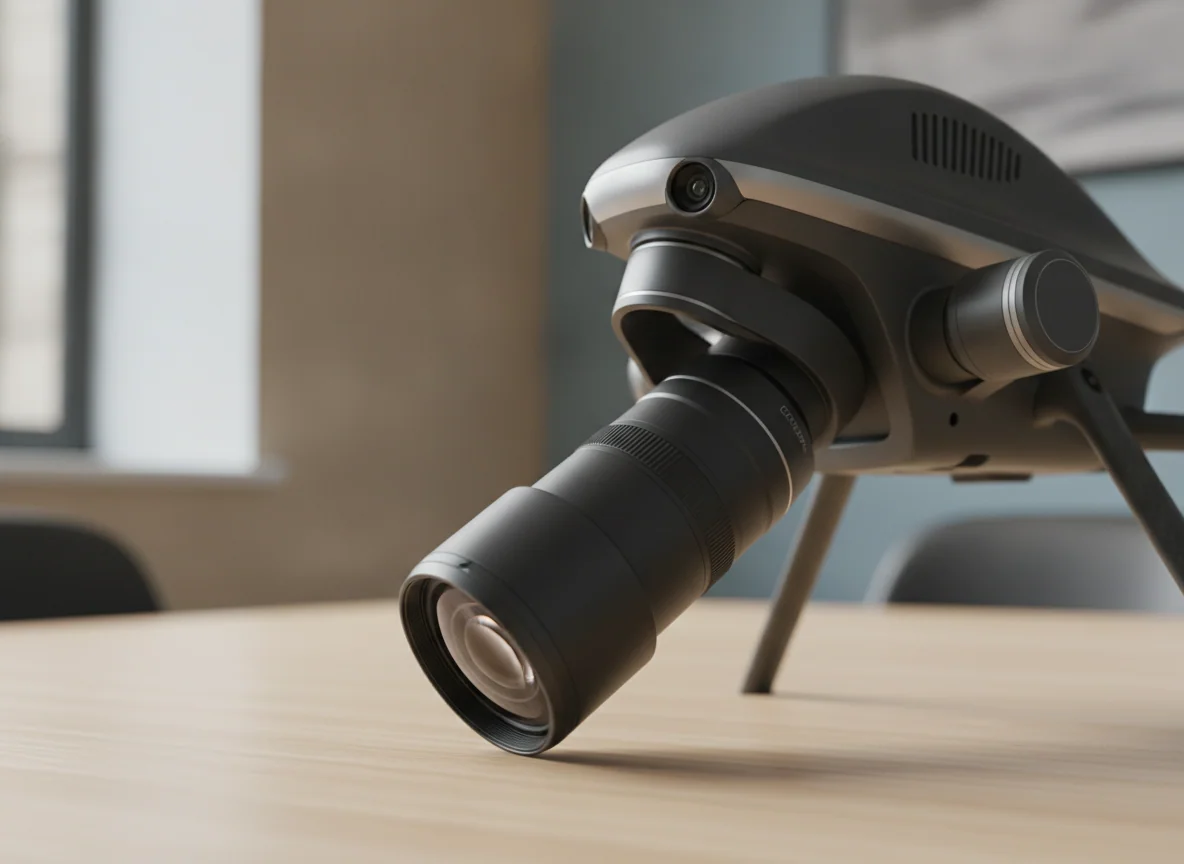
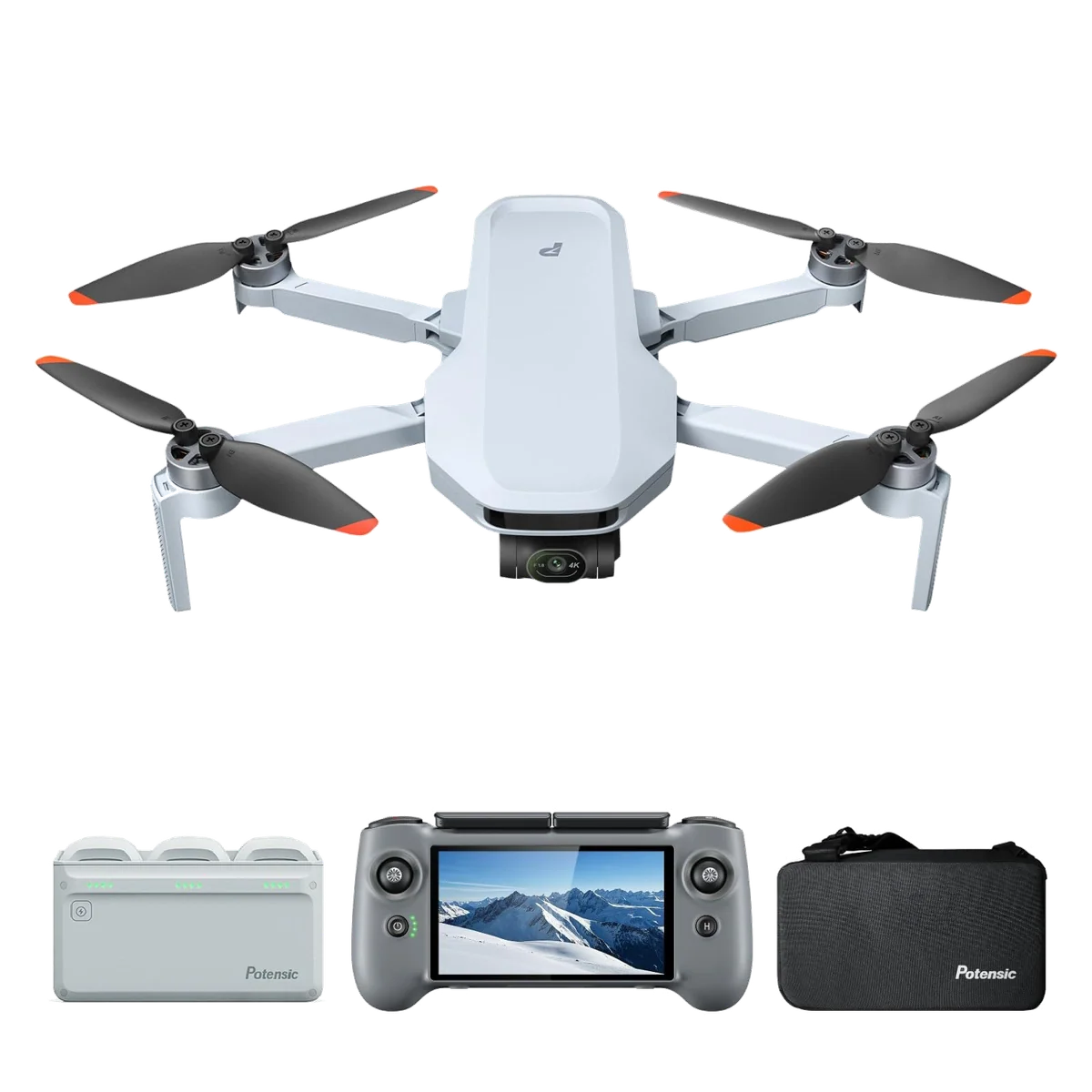
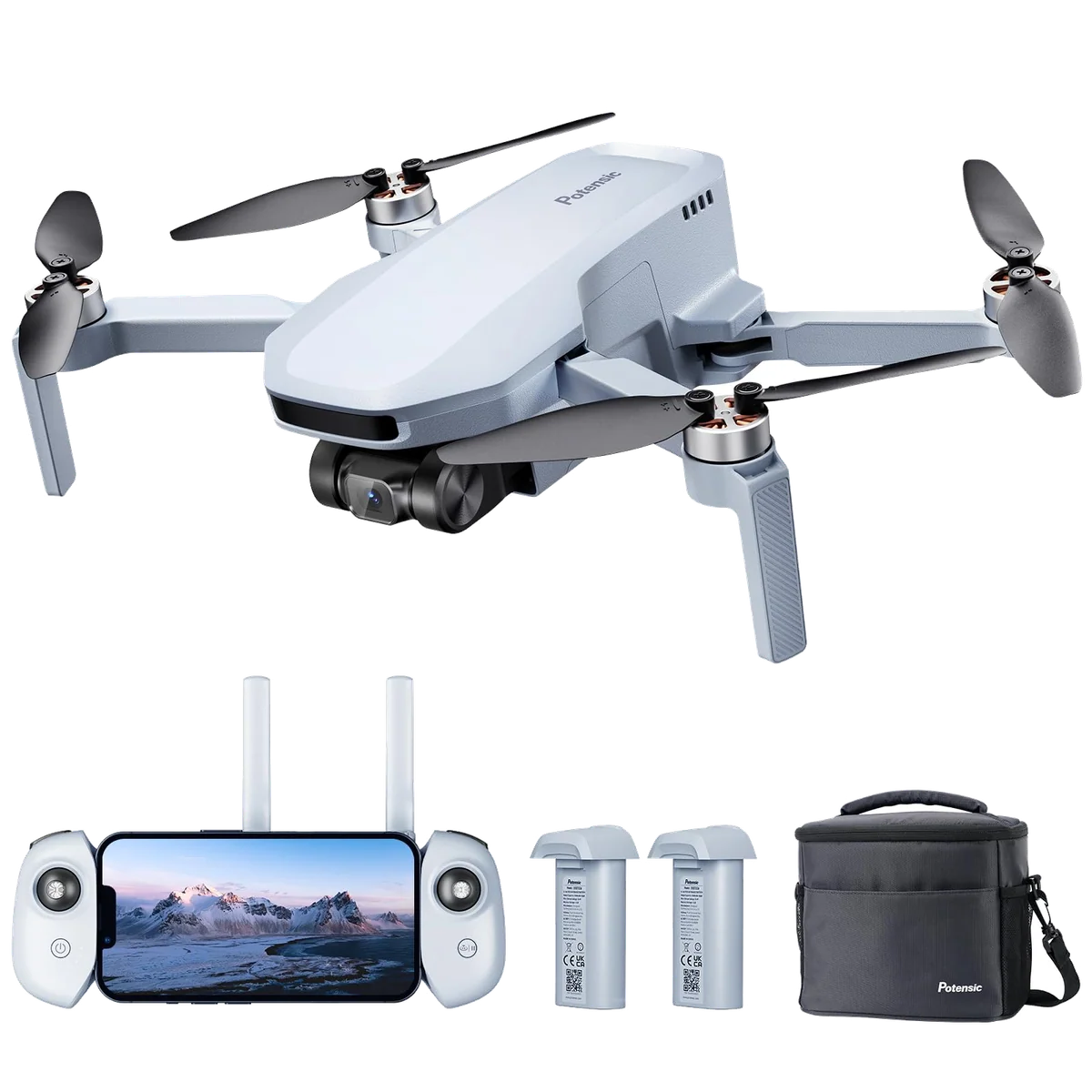
The screen controller nobody else builds at this end of the market.
A mechanical three-axis gimbal, three batteries, a parallel charging hub and subject tracking that DJI's cheapest mini does not have at all, with a 5.5-inch touchscreen in your hands instead of a phone on a cable.
Nothing on this aircraft looks forward, sideways or up, which is an uncomfortable pairing with tracking modes built to send it chasing a moving subject past trees.
Potensic's listing sells 96 minutes of flight, 8K photo and 10km of transmission, and each of those needs translating. Ninety-six minutes is three batteries multiplied by an optimistic figure, the 8K is a 48MP JPEG with heavy sharpening applied, and raw only exists at 12MP. The most useful critic on the listing is an owner who tests drones and wrote at length about the app: telemetry in small white text against a bright sky, a battery percentage in red you cannot read in sun, and the aircraft dropping out of sport mode into normal below 30% battery, which turns a return from a couple of miles out into a slow crawl. The PTD 1 controller also pairs with this drone and nothing else, including Potensic's own successor. Weigh it against DJI in Atom 2 against the Mini 4K, read the full Atom 2 review, and if the brand itself is the question, we answer it separately.
The sensible light buy, as long as your subject holds still.
Three batteries, a bright screen controller and true vertical shooting that rotates the gimbal rather than cropping the frame make this the most complete package here for landscapes, coastlines and property work.
It cannot lock onto a moving subject in any mode, and no update will ever add the tracking or the side sensors it was built without.
Two of the thirteen reviews retained on its listing praise the Mini 3's obstacle sensing in detail, and three others say flatly that it has none. The second group is right; there is downward vision for landing and nothing else. One owner in that set fitted propeller guards as a substitute, went over the weight threshold and had to register the aircraft after all, which is the neatest illustration of how easily the 249g margin is spent. The listing's own footnotes are unusually honest about the rest: the 38-minute rating was measured at a constant 21.6kph in windless conditions, HDR video does not record above 30fps, and the extended battery that stretches flight time is sold separately and takes the aircraft over 249g. Our Mini 3 review has the rest, and the Mini 4K comparison is the decision most buyers are really making.
The cheapest honest way to find out whether you enjoy flying at all.
A three-axis mechanical gimbal, GPS hold and return to home on a thoroughly debugged airframe whose batteries, propellers and arms are shared with one of the largest installed bases DJI ever built.
There is no obstacle sensing in any direction and no subject tracking of any kind, so a branch is entirely your problem and the drone will never film you.
The listing itself is unusually candid about how the 31-minute figure was produced: flying forward at a constant 17kph in a windless laboratory, in photo mode, taking no photographs, from full charge to zero. Owners report 20 to 28 real minutes, which is a normal shortfall rather than a scandal. The same listing carries a warning that catches Android buyers cold, since DJI Fly has been pulled from Google Play and the drone cannot be activated until you download the app from DJI's own site. The only sub-five-star review in the retained set is about exactly that, from a buyer three days in, staring at a registration screen with no path through it. Everything else about this aircraft is boring in the way you want a first drone to be boring; the full review and our beginner shortlist go further.
The follow cameras, where the drone points itself at you
These four are not small camera drones. They are a different product wearing the same shape, and judging them on image quality misses what they are for, which is getting footage that would otherwise not exist because there was nobody there to shoot it. Our follow-me roundup covers the category on its own terms.
The one to hand to somebody who has never flown anything.
Full-coverage folding propeller guards around a 1/1.3-inch sensor shooting 4K/60 HDR make this the safest route to a genuinely good picture, and the screen controller removes the phone from every takeoff.
It does not broadcast Remote ID, so the moment anybody pays you for the footage in the US it becomes the wrong aircraft.
The 93 minutes in the product title is three batteries multiplied by a 31-minute laboratory rating, and owners who fly rather than hover report roughly 24 to 25 minutes each. One of them puts the wind problem better than any spec: the guards behave a bit like sails, so the aircraft starts refusing its cleverer modes and posting return-to-home warnings well below its published tolerance, while the gimbal keeps the footage looking calm. The listing also ends by telling you the battery charger is sold separately and recommending a 30W or 65W USB-C unit, and with 2GB of internal storage a memory card is part of the purchase rather than an accessory. See the Flip review and Flip against Neo 2.
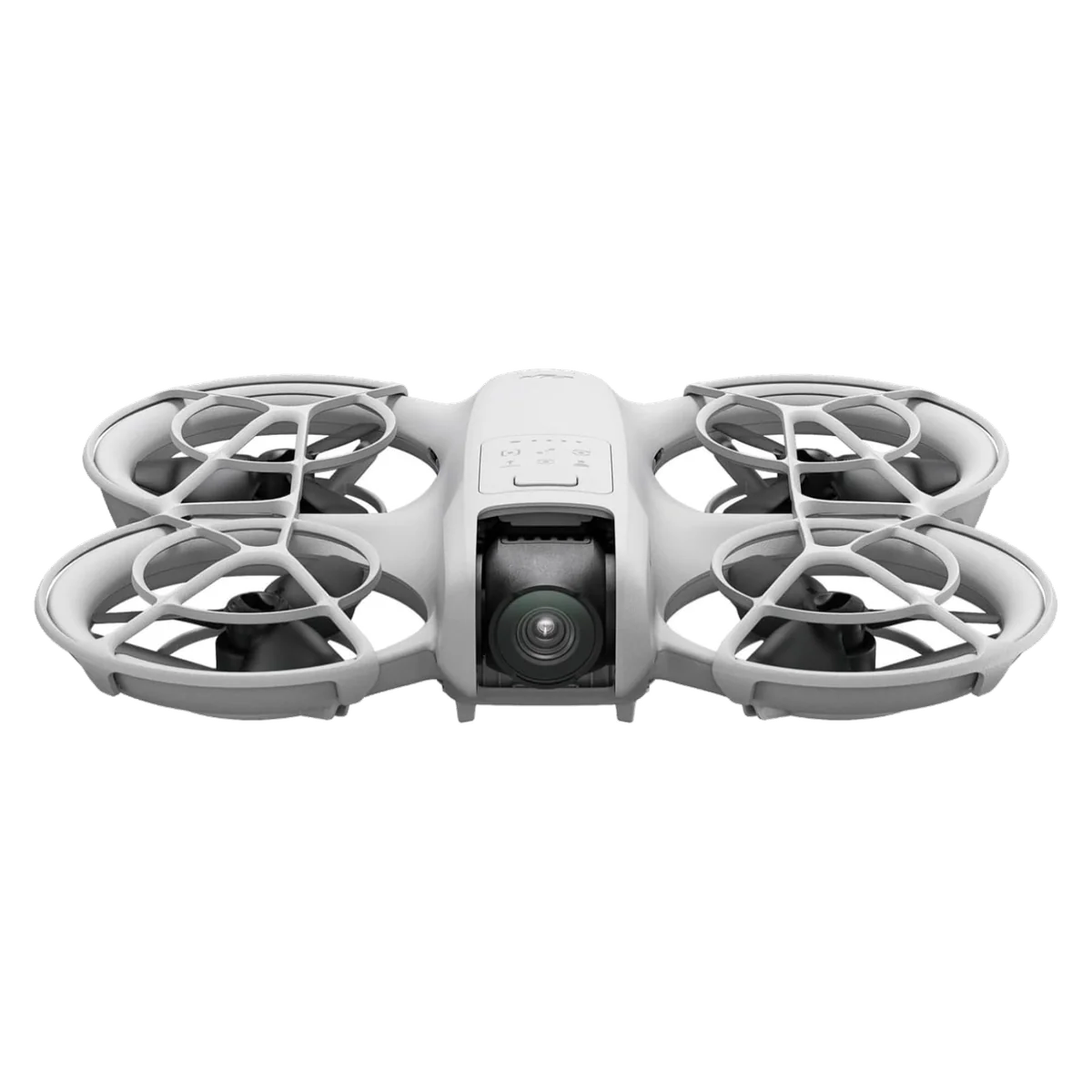
The follow camera that actually leaves the house.
Palm launch, gesture control and tracking that holds a cyclist at speed through trees, with omnidirectional sensing the original Neo did not have at all.
The nineteen minutes on the box is not a figure anyone achieves, with owners reporting ten to fifteen and less again once the obstacle sensors are working hard.
The listing gets the important things right, including the 151g weight, the C0 class mark and the charging hub that fills three batteries in about an hour and doubles as a phone power bank. The owner record is where the qualifications live. Several reviewers name battery life as their only complaint, one notes that no mains adapter is included and a 60W unit is what makes parallel charging work, and a four-star reviewer who takes it cycling reports the obstacle avoidance clipping a stop sign once and hitting a parked car another time, with the conclusion that it is a backup rather than a guarantee. That is the right way to read every system of this kind, as our piece on what they catch explains. There is also a lone one-star account of erratic control and constant firmware updates, which we flag rather than generalise from in the full Neo 2 review.
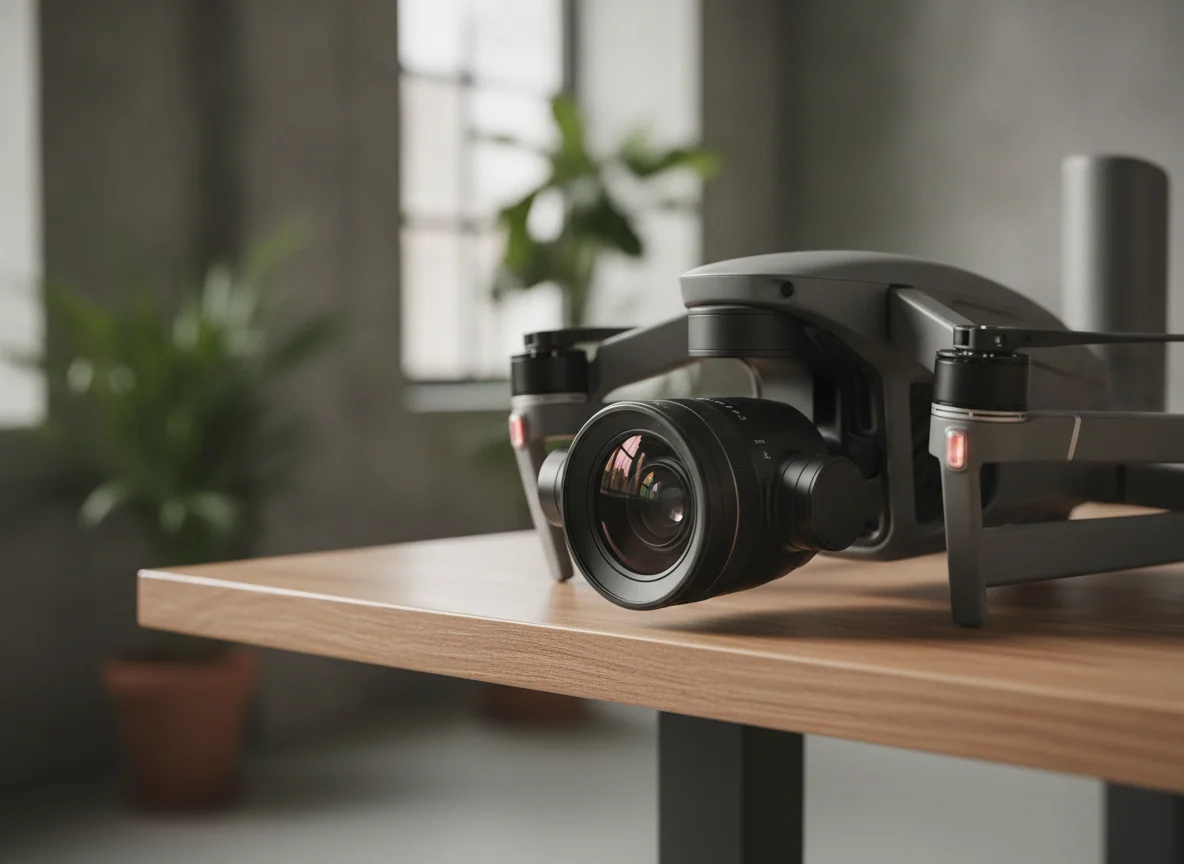
The trainers, bought to be crashed
The trainer you can afford to fly into a tree.
GPS hold, accurate return to home and a proper cabled controller with a real radio link, for less than almost anything else that offers those three things together.
Nothing levels the horizon when the airframe leans into wind, and there is no zoom of any kind, so the only way to get closer to a subject is to fly the whole aircraft closer.
Potensic sells this on 62 minutes of flight and 4km of transmission, both of which need the same translation as everything else on this page: two batteries added together, and a clean-air radio figure. The owner who tested range most carefully found roughly 1,200 to 1,500 feet with average obstructions and close to 2,000 feet from a balcony with nothing in the way, and the same review set contains the more practical warning, which is that the batteries sat for a week and came back at half charge. Electronic stabilisation is doing the work a gimbal does elsewhere, and the difference between those two things is the whole reason this drone is cheap. The SE review and the comparison against the Atom 2 carry the rest.
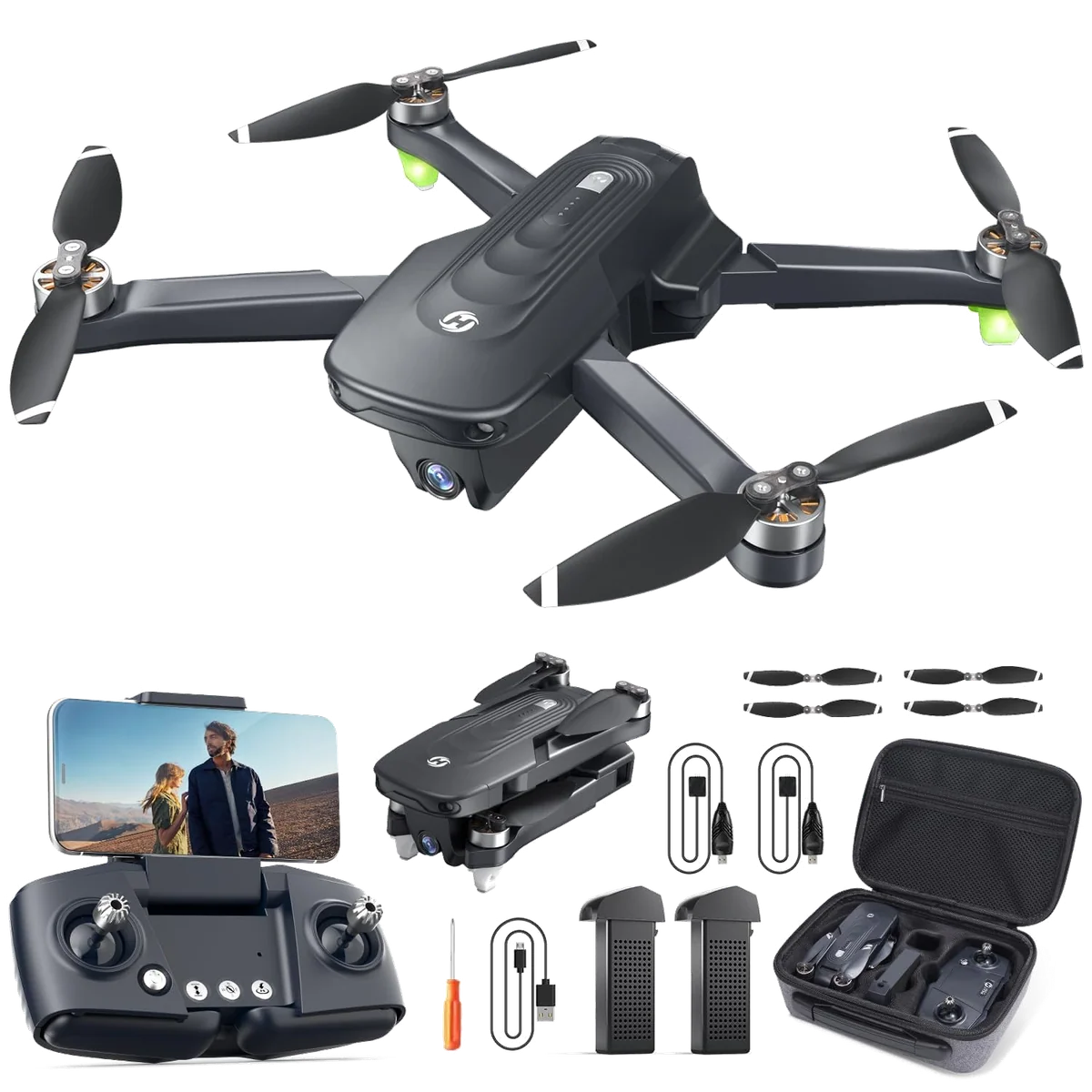
The GPS drone for somebody who mostly wants to learn the sticks.
It hovers like a rock, comes home to within a few metres of the launch point when the compass is freshly calibrated, and survives the crashes a first month produces.
The video link is ordinary Wi-Fi and gives out a few hundred metres out, a long way short of the maximum distance the app will happily let you dial in.
Holy Stone's listing is more honest than most, conceding in its own description that the 46-minute figure is the combined maximum with two batteries in ideal conditions, and carefully describing a 90 degree adjustable angle rather than calling the camera mount a gimbal, which it is not. Owners land at roughly 20 minutes a pack, and the three-star review on the listing is the useful one: camera transmission failed at 210 metres, and the reviewer concluded that anyone shopping for range should look elsewhere while anyone wanting to keep it close and have fun should not. The recurring frustration is setup rather than flying, with calibration and motor arming defeating more new owners than any crash; we walk that sequence through, and the brand question has its own page. Full detail is in the HS175D review and the head to head with the ATOM SE.
The two that fit in a pocket
The flying camera you carry on days you would leave a Mini at home.
At 135g with caged propellers and 22GB of internal storage, it is off your palm and airborne in seconds with no controller, no memory card and no pairing ritual.
It has no obstacle sensing whatsoever, despite listing copy inviting you to dip and dive around your house and through tree branches without worry.
That invitation is on the listing, next to the true and useful claims about the 135g weight and the exemption it buys. The guards mean the drone survives the branch and your fingers survive the drone; they do not mean anything on board can see the branch. The critical review in the retained set is worth more than the praise: it reports about ten minutes of real flying rather than eighteen, tracking that loses the subject on hard turns, a follow speed too slow for a bike, and no vertical video mode on a drone sold explicitly for social clips. Read the Neo review, and the comparison with its successor if you are weighing the two.
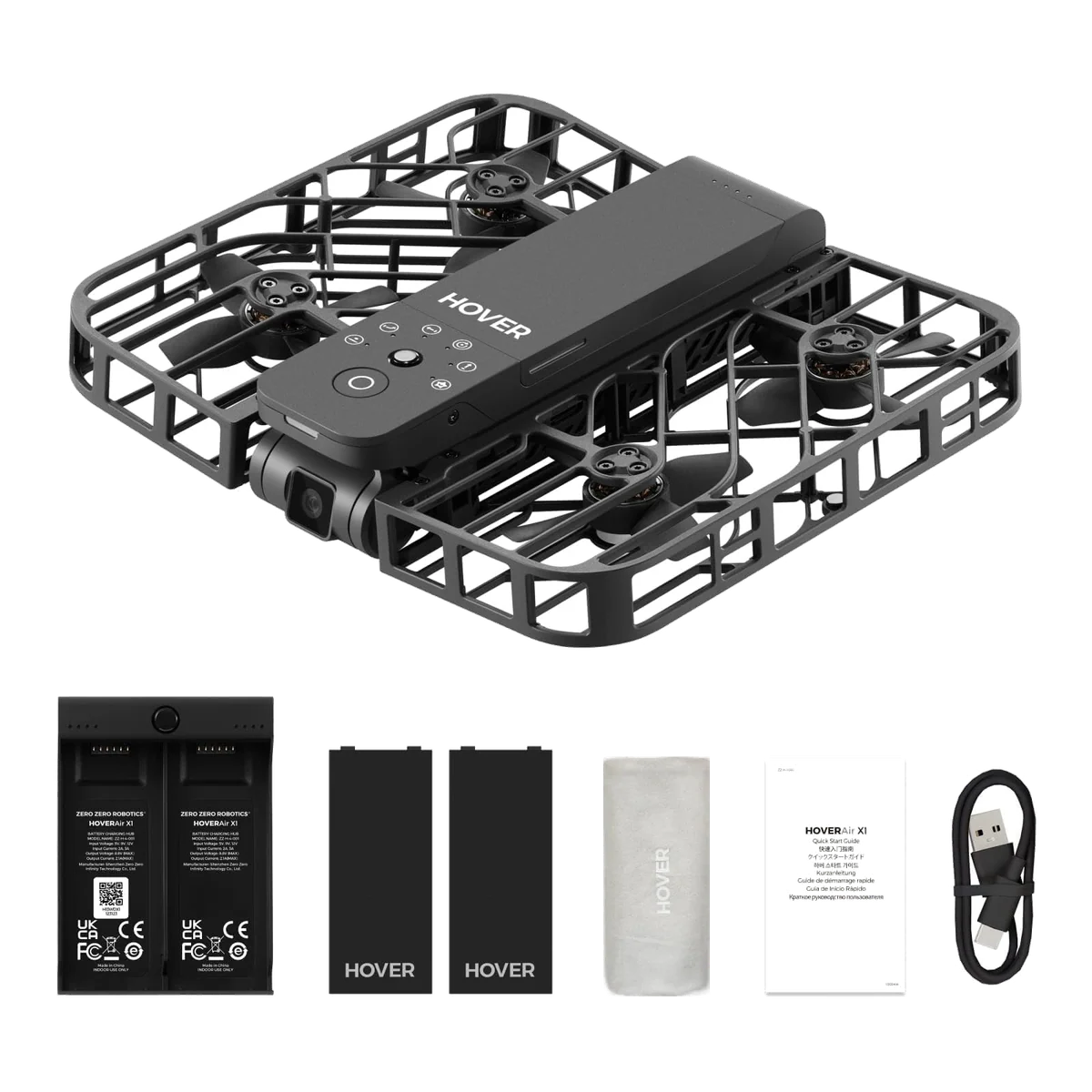
The pocket follow camera for people who move at human speed.
It goes from a back pocket to airborne in about five seconds, announces its mode aloud so you never need the phone, and follows the route you flew rather than a straight line at you, which is why it holds a lock through wooded trail.
There is no GPS and no return to home, so when it loses you it lands where it stands, and HoverAir's own FAQ says it is not designed to fly over water, cliffs or terrain with indistinct ground texture.
Those limits come from the manufacturer rather than from us. The finding that changed our view is elsewhere, in a three-star review from an owner who lost three batteries in two years of gentle use against a one-year battery warranty, and who published support's own explanation: these are non-smart batteries with no automatic discharge, so keeping them fully charged for long periods causes swelling even if you barely fly. Storing them at around 60% and cycling them every month or two is the fix, and it appears nowhere on the product page. Our X1 review covers the rest, the Neo comparison settles the obvious rivalry, and the Pro and Pro Max page is where anyone near water should start instead.
What we could judge here, and what we could not
Quadcopter Bench has not flown any of these eleven aircraft. Nothing on this page is a measurement we took, and where a number appears it is either a manufacturer's claim, clearly labelled, or a figure somebody else published or reported from their own flying. What we did instead was read each product's record whole: the listing and its own footnotes, every customer review retained against it, the published hands-on reviews, and the owner threads where faults surface before they reach a spec sheet. Our full reviews of each drone are linked from its entry, and they carry the receipts.
Three principles shaped the ordering. First, a claim that only appears in marketing copy is not evidence, and several of the loudest numbers on these boxes fall apart the moment you read the manufacturer's own small print. Second, where owners contradict each other, as they do constantly on noise and on wind, we say so rather than picking the tidier account. Third, an aircraft that is missing a feature is judged against who is buying it, which is why the Mini 4K's total absence of obstacle sensing costs it less here than the Flip's missing Remote ID broadcast, a thing almost nobody notices until it disqualifies their work.
Four numbers on these boxes, and what each of them really means
The specifications that decide most purchases are the four that survive contact with reality least well. None of this is one manufacturer behaving badly; it is a whole category quoting laboratory conditions in bold and the conditions themselves in a footnote.
| The number on the box | What produced it |
|---|---|
| 96 minutes, Potensic Atom 2 | Three batteries added together, at a per-pack figure owners do not reach. |
| 93 minutes, DJI Flip | Three batteries multiplied by a 31-minute still-air rating. |
| 62 minutes, Potensic ATOM SE | Two batteries added together. |
| 51 minutes, DJI Mavic 4 Pro | A single rated flight, with no published measured figure we could find anywhere. |
| 46 minutes, Holy Stone HS175D | Two batteries, and the listing's own description concedes it is a combined ideal-conditions maximum. |
| 31 minutes, DJI Mini 4K | Forward flight at a constant 17kph in a windless laboratory, in photo mode, run to a flat battery. |
| 19 minutes, DJI Neo 2 | A single rated flight that owners report finishing five to nine minutes early. |
The pattern is that a manufacturer's flight time is a still-air hover with no reserve, and your working number is that minus wind, minus the reserve the aircraft enforces on itself before it insists on coming home, minus however hard you fly. Two thirds of the rated figure is a reasonable planning assumption across this entire page, and we take that apart at length elsewhere. The consequence for what you buy is simple: on the drones whose real endurance is a quarter of an hour or less, the multi-battery bundle is not an upsell but the minimum sensible configuration, which is not the conclusion our general piece on Fly More Combos reaches for every product.
Transmission range is the second number, and it is the one to ignore entirely. Every figure quoted on this page describes a radio link in clean air with nothing in the way, and on any real flight the binding constraint is the battery you need to get home, then the law requiring you to keep the aircraft in sight, and only then the radio. The cheap end illustrates it best, because Wi-Fi based drones give out in the hundreds of metres while their apps will let you set a limit several times further.
Third is resolution, which tells you less than the thing bolted underneath it. A 4K label on a mount with no stabilisation, as on the HS175D, produces video that carries every twitch of your right thumb into the frame, and a 48MP mode that only writes JPEG, as on the Atom 2, hands you the biggest number in the worst file format. Fourth is wind resistance, where a Level 5 rating means the aircraft stays airborne and comes back, not that your footage is usable. Both of those claims are about the airframe. Neither is about the picture.
What the drone can see, and whether it will follow you
These two capabilities cause more misdirected purchases than anything else on this page, mostly because buyers assume that a modern drone from a major brand must have both. Several of these do not have either.
| Drone | What it can see | Will it track you |
|---|---|---|
| Mavic 4 Pro | Omnidirectional, with forward-only LiDAR at night | Yes, and it acquires subjects at long range |
| Air 3S | Omnidirectional, forward LiDAR, all of it off in Sport mode | Yes |
| Potensic Atom 2 | Downward only | Yes, within a narrow band of gimbal angles |
| DJI Mini 3 | Downward only | No, in any mode |
| DJI Mini 4K | Nothing | No, in any mode |
| DJI Flip | Forward and downward | Yes, on people rather than vehicles |
| DJI Neo 2 | Omnidirectional | Yes, and it is the best of the light drones at it |
| Potensic ATOM SE | Downward only | It follows your controller by GPS, not you |
| Holy Stone HS175D | Nothing | It follows your controller by GPS, above a height floor |
| DJI Neo | Downward only | Yes, from behind, up to about a jogging pace |
| HOVERAir X1 | Downward only | Yes, by retracing the route you flew |
Two clarifications that save money. GPS follow and visual tracking are different mechanisms with a shared marketing name: the first chases the transmitter in your hand, which is why it works on an open field and disappoints everywhere else. And obstacle avoidance is an aid that buys margin in cluttered space, not a system that flies the drone for you, since thin branches and overhead cables defeat every vision system on the market including the ones on the two flagships here.
The two ownership questions that outrank the specifications
The first is whether you will ever be paid. Recreational flight under 249g in the US needs no registration and no Remote ID broadcast, which is the entire commercial logic of the light class. Commercial flight needs both, plus a Part 107 certificate, regardless of what the drone weighs, and this is where the DJI Flip trips people: it is a fine aircraft that cannot lawfully do paid work in the US as sold. If money is anywhere in your plans, start from our list for invoiced work rather than from a weight threshold, and if it is not, the sub-249g roundup and the travel picks are the better shortlists.
The second is what happens when you break it, which on a first drone is a question of when. DJI Care Refresh is no longer available to US buyers, and owners of the flagship on this page have gone to third-party policies with mixed results, one of them recommending exactly that in an otherwise five-star review. That changes the arithmetic without changing any sticker: the cheap trainers at the bottom of this list get cheaper in real terms, and the flagship gets more expensive. We keep the alternatives current in insuring a drone now that Refresh is gone, and the wider legal picture in whether you can still buy and fly a DJI in the US. If you have narrowed the field to one brand, the DJI-only list sorts the same aircraft differently, and the budget end of the market has a shortlist of its own in the cheapest camera drones worth flying.
Frequently Asked Questions
Which camera drone should most people actually buy?
The DJI Air 3S, because its 1-inch main sensor, second focal length and mass are the combination that stops footage being ruined by wind or by not being able to reach the subject.
Does the Potensic Atom 2 have obstacle avoidance?
No, it has a basic downward vision system and nothing watching forward, sideways or up, which is the wrong pairing with tracking modes designed to send it after a moving subject.
Are Potensic drones as good as DJI?
They are close on hardware and behind on software and polish, so the honest answer depends on what you paid, which is why we argue it out on its own page .
Can you still buy and fly a DJI drone in the US?
PCMag reports that drones the FCC approved before new foreign-made models went onto its Covered List can still be bought and flown, though DJI's legal challenge means the position keeps moving.
Do you have to register a drone under 249g?
Not for recreational flight in the US, though the free knowledge test still applies and any paid work needs registration and certification regardless of what the aircraft weighs.
Which of these will follow you while you ride or run?
The DJI Neo 2 for the best tracking of the light drones, the HOVERAir X1 for the smallest thing that will do it, and neither the Mini 3 nor the Mini 4K, which cannot track a subject at all.
Is the DJI Mini 4K or the Potensic Atom 2 the better cheap drone?
The Mini 4K is the more polished and better supported aircraft while the Atom 2 has tracking, night mode and vertical shooting the Mini does not, so the comparison turns entirely on which features you will use .
Which drones work with the DJI RC 2 controller?
Several of the current DJI models pair with it and several do not, which is a maze worth checking in our guide to the RC 2 before you assume a controller carries forward to your next drone.
Do you need a screen controller, or is a phone enough?
A phone works, but owners who paid for a screen consistently say it changed how often they fly because there is no cable, no clamp and no phone battery draining, and we work through the trade here .
Is a follow camera a substitute for a proper camera drone?
No, because the follow cameras on this page trade sensor size, endurance and wind tolerance for the ability to launch off your palm, which is the right bargain only if you are the subject of the footage.
Our Top Pick
The DJI Mavic 4 Pro is our #1 recommendation — drone for professional video work.
Check Price on Amazon: DJI Mavic 4 Pro