The Mavic 4 Pro is the better drone and the Air 3S is the better buy
Buy the Air 3S unless the footage is going on an invoice, because the Mavic 4 Pro's extra reach and colour depth are real and so is the fact that nothing catches an American buyer when it falls out of the sky.
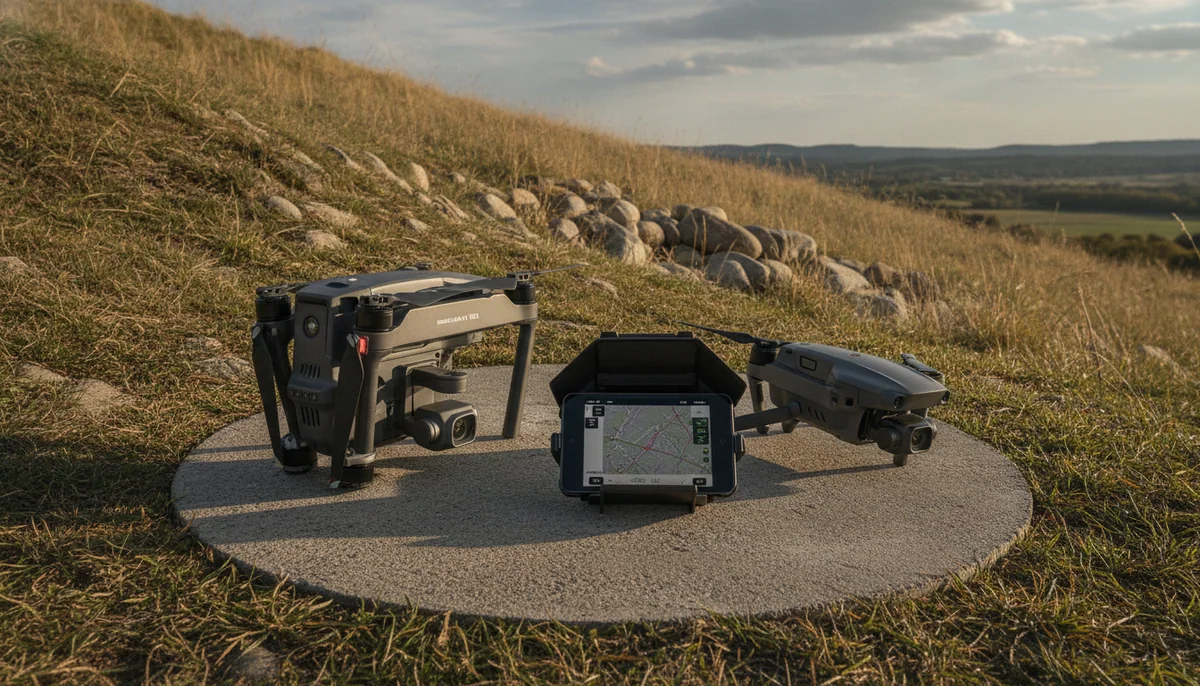
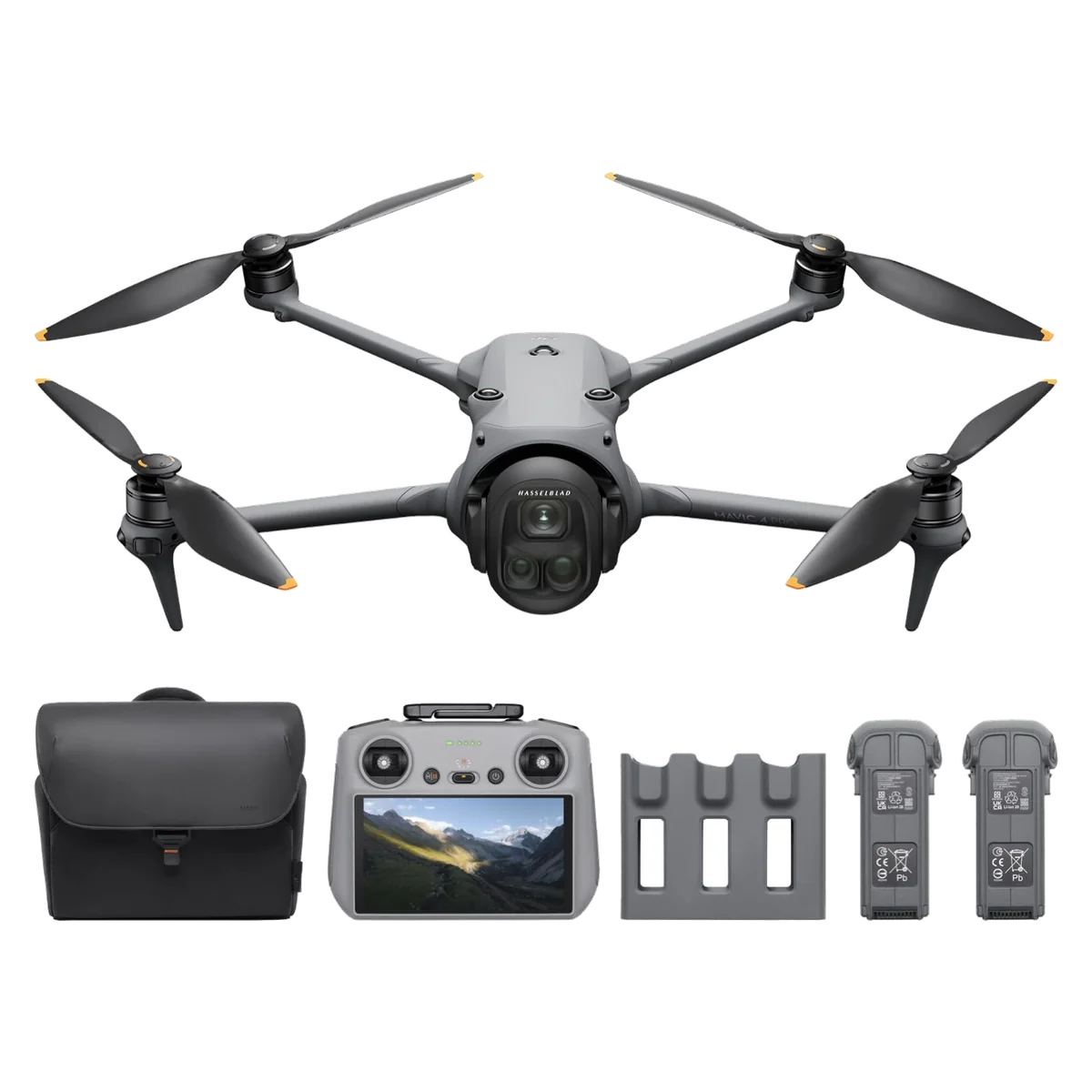
DJI Mavic 4 Pro
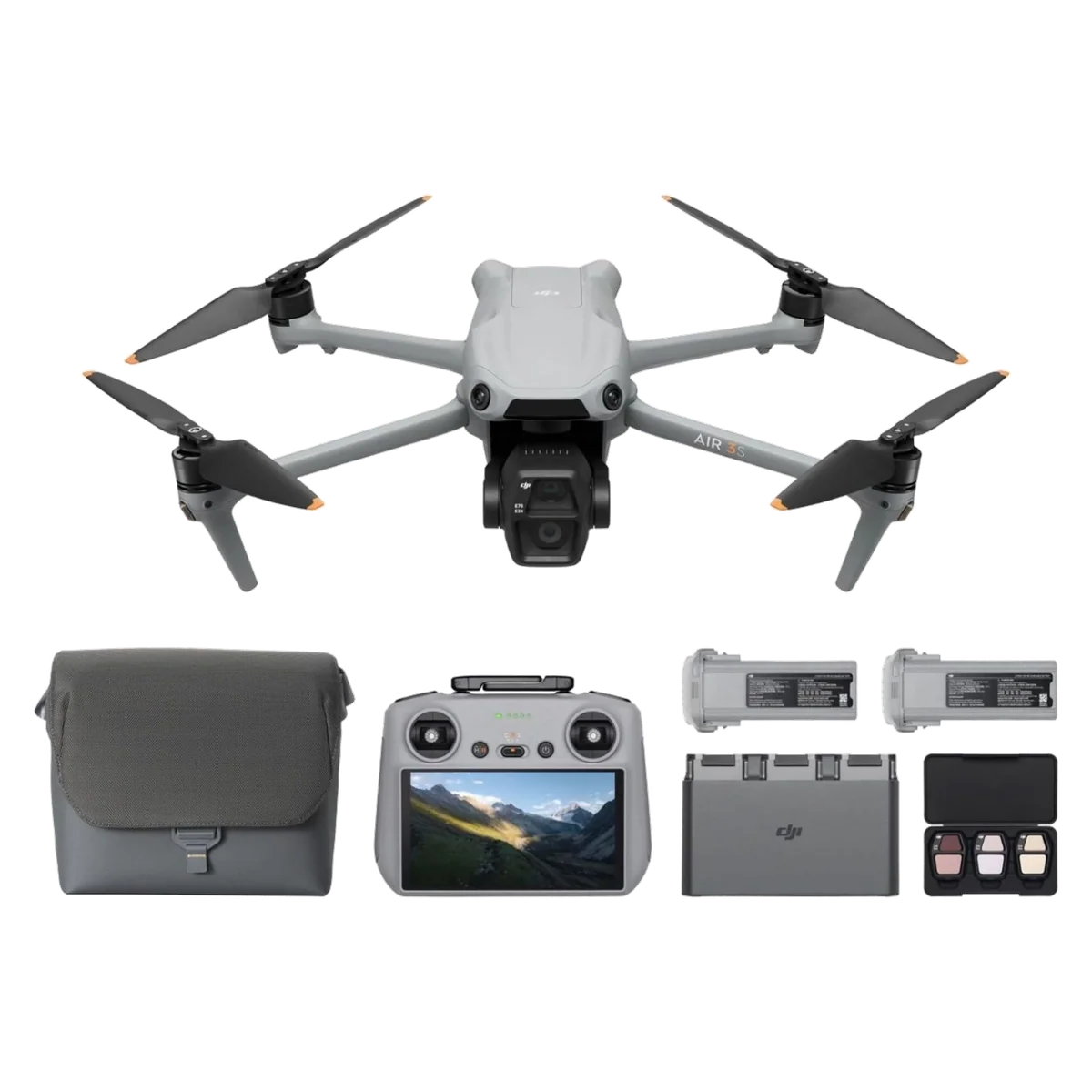
DJI Air 3S
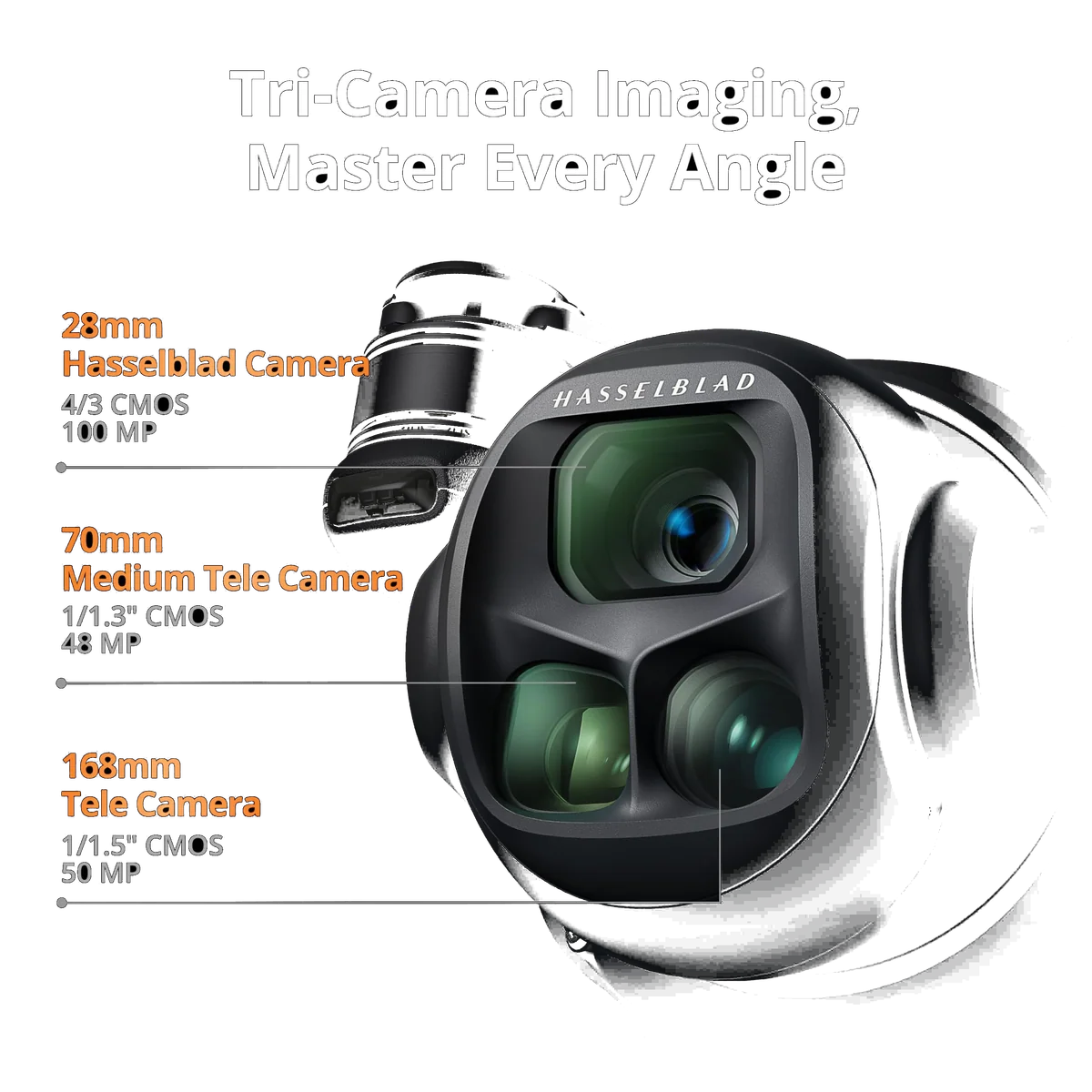
Put the two spec sheets side by side and there is no contest. The Mavic 4 Pro leads with a 100MP Hasselblad main camera, two telephoto cameras beneath it, a gimbal that rotates through 360 degrees, a rated 51 minutes of flight and a 30km O4+ transmission figure. The Air 3S answers with a 1-inch main sensor, one 70mm second camera, 45 rated minutes and 20km of transmission. Every line goes the same way, and not one of those lines is the decision.
The decision is what happens on the day it stops working. The single one-star review on the Mavic 4 Pro's listing comes from a working professional who bought the aircraft precisely because his older Mavic needed repair, and who then discovered a sixty to ninety day wait before he could even send the old one in; the same reviewer says the camera and flight performance are excellent, which is the point. Two other reviewers on the same listing raise service risk unprompted, one of them recommending a third-party policy because DJI's own extended cover is not available to him. Nobody in the record argues about how the flagship flies. They argue about owning it.
So Quadcopter Bench's position on this pairing is narrower than the usual flagship-versus-value framing. The Mavic 4 Pro is a professional instrument sold into an ownership environment with the safety net removed, and it is worth buying when the footage pays for the aircraft faster than the aircraft can break. For everyone else the Air 3S is the answer, which is also where the buying guides land when they name the money-saving alternative in this class. The two most thorough published video reviews of the Air 3S both stop just short of calling it faultless, and the caveats they reserve are the ones this page spends the rest of its length on.
DJI Mavic 4 Pro
DJI Air 3S
At a Glance
| Feature | DJI Mavic 4 Pro | Editor's Pick DJI Air 3S |
|---|---|---|
| Price Range | Under $200 | $1,000–$1,500 |
| Finish | Gray | gray |
| Configuration | 7.25 | Medium |
| Check Price on Amazon | Check Price on Amazon |
What the third camera actually buys you
The interesting change on the Mavic 4 Pro is not the megapixel count on the front. It is that the three cameras finally agree with each other. A reviewer who worked through the aircraft feature by feature explains that on the previous generation each sensor carried a different colour profile and D-Log was not available across all of them, which turned any sequence that moved between focal lengths into a grading fight; on this aircraft D-Log and D-Log M run on every sensor. If you cut between wide and tele inside one shot list, that is the generational difference, and it is worth more than the headline number.
He also rates the three lenses honestly, and so should you. The medium telephoto he calls better than the equivalent on the Air 3S. The long telephoto he says is good but not entirely there for him, and adds that he does not expect to use it much. A working owner who bought this exact combo for commercial jobs independently reports the same thing, that he has not used the tele lenses anywhere near as much as he expected. Two people who own one are telling you that the feature most likely to sell you the upgrade is the one that sits idle.
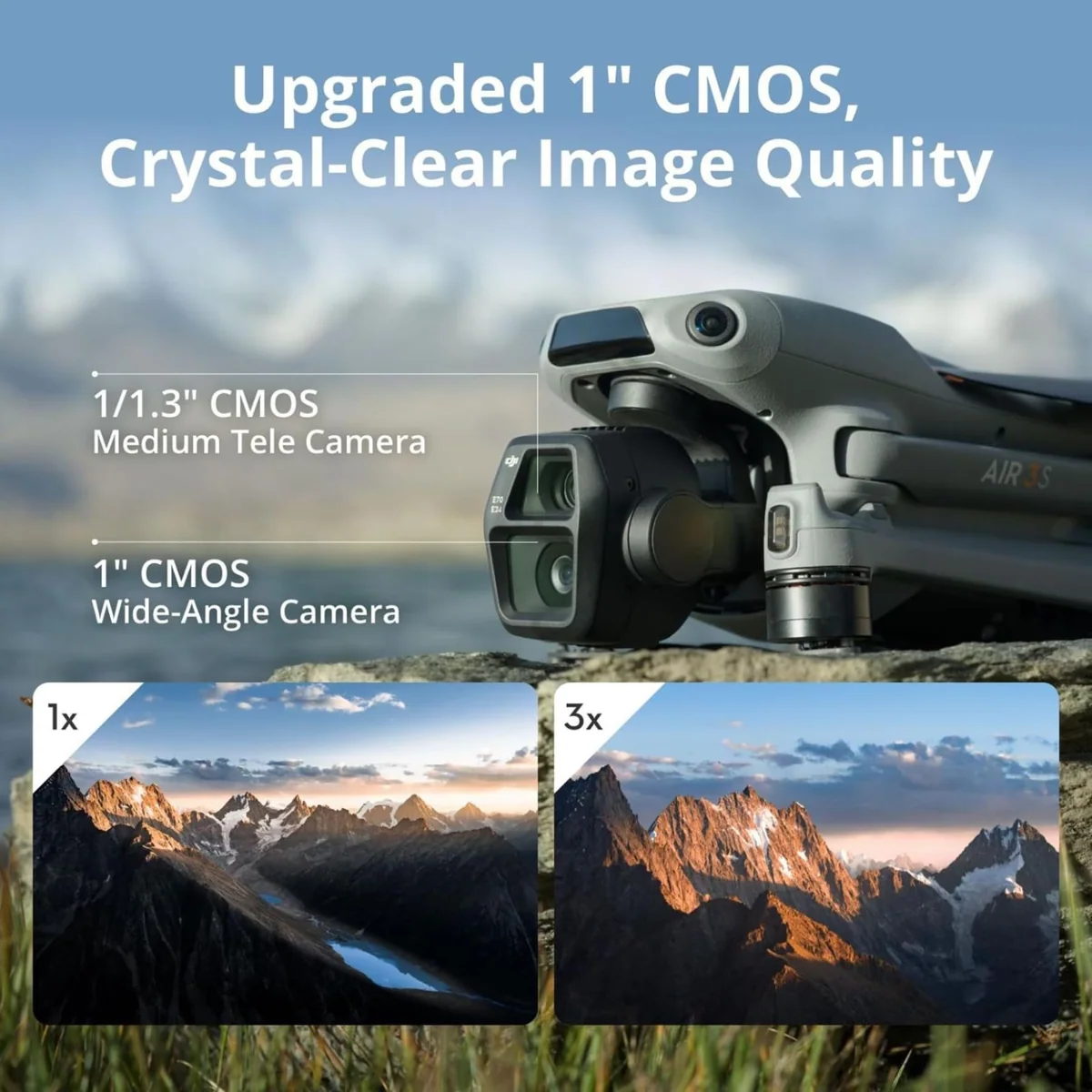
The Air 3S has the opposite story: one second lens, and it converts the sceptics. An owner upgrading from an Air 2 wrote that he expected to dismiss the 70mm and changed his mind after a single shoot, because it let him frame distant subjects without flying at them. A photographer of fifty years bought the aircraft specifically for that focal length after a Mini left him without one, and prints the 50-megapixel files large. The thing he is careful to say, and most reviewers are not, is that the 3x on top of the tele is a digital crop rather than optical reach.
On stills the flagship's record is less tidy than its bullets. An owner moving up from a Mavic 3 Pro says the still images do not look much better than the older drone's and takes direct aim at the 100MP framing, arguing it is not really correct set against a DSLR, while not disputing the sensor or the Hasselblad glass. Another owner making exactly the same jump calls picture quality excellent. The likeliest reconciliation is that they agree about video and disagree about photographs, and if you are buying primarily to print, weight the first account.
| Line | Mavic 4 Pro Fly More | Air 3S Fly More |
|---|---|---|
| Main camera | 100MP Hasselblad, Four Thirds | 1-inch CMOS, 24mm equivalent |
| Additional lenses | Two telephoto cameras | One 70mm equivalent tele |
| Video ceiling | 6K/60fps HDR | 4K/60fps HDR |
| Rated flight | 51 minutes | 45 minutes |
| Rated transmission | 30km, O4+ | 20km |
| Night sensing | 0.1-Lux omnidirectional | Forward LiDAR plus sensors |
| Controller in this box | DJI RC 2 | DJI RC 2 |
Two footnotes on that table, both from the listings themselves. The Mavic's seventh bullet describes a seven-inch rotatable RC Pro 2, and the eighth bullet, in the same list, says the box contains a DJI RC 2; the larger controller belongs to the separate 512GB Creator Combo, and if that is the box you are weighing, our Fly More against Creator Combo comparison settles it properly. And since both aircraft on this page ship the same RC 2, an owner who already has one from another DJI drone should be buying the cheaper bundle of either, which our guide to the RC 2 covers.
Two premium boxes, two different holes
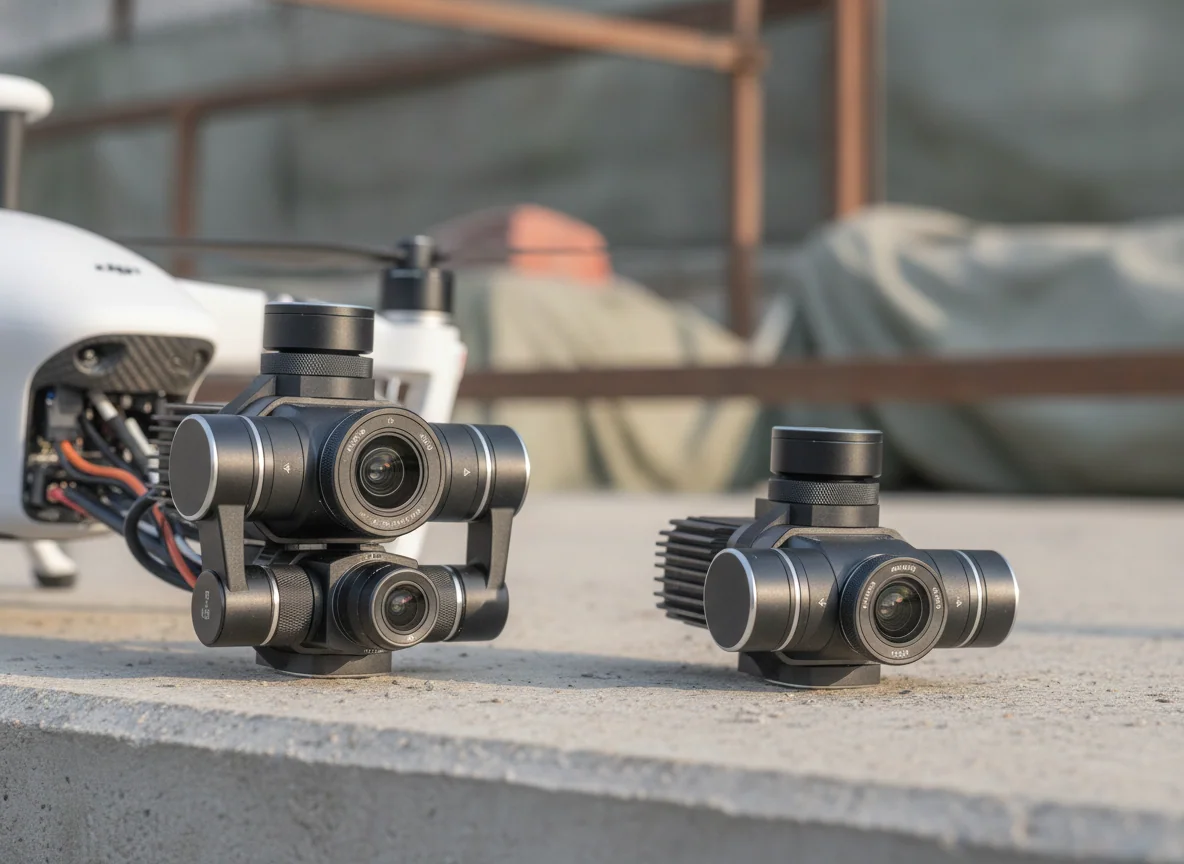
Someone who unboxed the Mavic combo lists what turns up: a large case, eight propellers, a charging hub with two batteries seated and a third in the aircraft, plug adapters for most of the planet, and a 100W brick with two outputs sharing that hundred watts. Two absences he calls out himself are the ND filters and the 240W adapter. The second is the one that bites slowly. An owner who chose this combo on budget flew it for months before working out that his one regret was the charger, because both combos ship the same three-bay hub and only the Creator Combo ships the adapter that fills all three in parallel; he bought the bigger brick secondhand and now juices two batteries while flying the third. Three batteries buy a longer session, not a shorter turnaround.
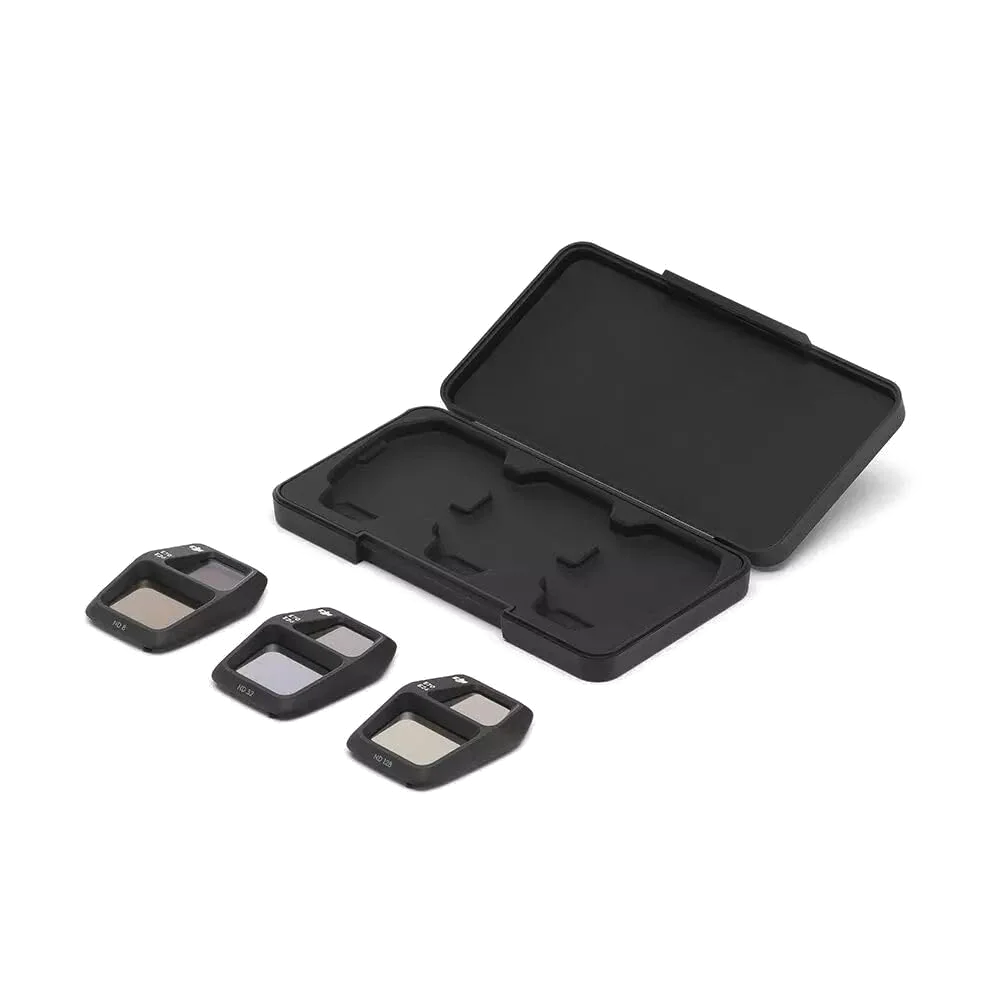
The Air 3S box has the mirror-image problem, and it is stranger. DJI includes an ND filter set, a shoulder bag, a hub, three batteries and, by several buyers' count, ten spare propellers and a gimbal guard that the contents list did not promise. What it does not include is a wall charger of any kind, a fact DJI states in its own listing footnote before recommending you buy the 65W one. Owners converge on the same advice without coordinating: 65W minimum, 100W better. So the cheaper aircraft ships the filters and no charger, the dearer one ships the charger and no filters, and both leave you shopping on the way home. Our Fly More Combo explainer works through when that premium is still worth paying.
One further gap matters only to a specific buyer, and matters absolutely to them. ALL-I 4:2:2 encoding and the 512GB of internal storage are Creator Combo items on the Mavic, stated as such in the listing's own description. If a client deliverable specifies 4:2:2, neither box on this page is the one, and no aftermarket accessory buys your way back in.
In the air, where the assumptions break
Start with the finding that reverses what everybody expects. The reviewer who flies both says the Mavic's much larger propellers make far less noise than the Air 3S, a deeper and softer tone that draws less attention, and two owners in the forums independently describe the same effect against small drones. The flagship is the more discreet aircraft once it is up. It is also the more conspicuous one on the ground and the vastly more consequential one if it comes down on somebody.
Subject tracking is a real step rather than a marketing one. Against an Air 3S, the same reviewer reports the Mavic acquiring people at around seventy-five metres where the older drone wants you at roughly twenty, picking up birds and cars unprompted and reacquiring a subject from behind a large tree. Then read the crash report from a first-week owner in mountain terrain, who says tracking was avoiding obstacles well enough but that very thin branches it seems not to see, which brought it down from fifteen or twenty feet. Both aircraft share the deeper limit: the LiDAR that makes night flight defensible looks forward only, so backing up in the dark is unprotected on either. The Air 3S adds a trap of its own that an owner flags because nobody warns you, which is that the sensors switch off entirely in Sport mode. All of this is worth reading against what these systems catch and what they fly straight through.
Wind is where the Air 3S earns its weight rather than apologising for it. An owner measured his hover holding position within about two inches horizontally in roughly 15mph gusts, and another reports smooth recording while tracking in heavy wind with the aircraft visibly wobbling underneath the footage. That is the honest boundary of the class, and it sits far beyond where a sub-250g drone stops being useful, which our guide to wind limits maps out.
On endurance, treat both rated figures as ceilings. An Air 3S owner logged about 40 minutes on mixed use against a 45-minute claim, which is a good showing. Quadcopter Bench found no published measured flight time for the Mavic 4 Pro anywhere in the material we read, and no owner in the record supplies one, though several say the endurance is the best in the Mavic range. The rated number is always a still-air hover with no reserve, and we take that apart in advertised flight time against real flight time.
The cost nobody prints on the box
Here is where the recommendation actually turns. US buyers of the Mavic 4 Pro report that DJI Care Refresh is not available to them, including one who gave the drone five stars and told everyone to buy third-party cover instead, and one who describes losing the two-year Refresh option as the thing that broke his loyalty after he had already paid. A factory warranty still covers defects. What has gone is the cover for the thing that actually happens to drones, which is that you fly one into something. The alternatives are contested rather than solved, and one owner reports a friend's claim being denied on the grounds that the flight was commercial. We walk the options in insuring a drone now that Care Refresh is gone.
The most detailed ownership account in the whole record belongs to a business owner on his fifth DJI drone, already on his second Mavic 4 Pro: the first developed a gimbal fault at eighty-five days, calibrations did nothing, DJI warned it could be ninety days or more, and his local shop wanted more than the drone cost to replace the part. That is one report and one report is not a pattern, so we flag it rather than generalise. But his own conclusion is the fairest framing anybody has produced, which is that unless the aircraft is out there working for you so you can justify the cost of it breaking, be careful. Apply the same arithmetic to a drone that costs roughly half as much and the answer changes shape entirely, and that is the whole argument of this page.
Two things apply equally to both and should not be used to separate them. PCMag's reporting has the FCC adding new foreign-made drones to its Covered List in December 2025, with previously approved models still legal to buy and fly, and the Mavic 4 Pro named among those that cleared before the door closed; the Air 3S is on the same side of that line, which is why both are still on US listings while newer hardware is not. We keep the standing explainer on that situation current, because it moves. And both aircraft sit far above the 250g threshold, so registration and Remote ID apply to each; a UK owner of the Mavic adds that its mass means an A2 certificate to fly closer to people and that it is hard to hike with on your back. If avoiding that paperwork was part of the plan, read what registration actually requires before you choose either.
One Air 3S detail belongs here rather than in the flying section, because it is about ownership. DJI's own listing warns that the aircraft is bound to your account and that failing to unbind it before a return can lead to unauthorised access and to potential remote locking of the device, rendering it inoperable. That is the manufacturer telling you, in its own words, that this is a networked product it can reach. Buy one used and unbinding is the first job, not the last.
DJI Mavic 4 Pro
DJI Air 3S
Which of these two you are
The people who own the flagship and use it commercially do not equivocate. One who does paid work says treating it as a business expense made the decision easy, and that if it crashed tomorrow he would order another the same day, because it is worth the cost when you are getting paid; in the next breath he says that for strictly recreational flying he would look at the Air 3S, since it is much easier to absorb that loss. An owner with a broad collection puts it more bluntly still, that if you want a prosumer cinema drone this is for you and if you want something fun to fly about, it is not.
Quadcopter Bench would not soften either statement. The gap in picture between these two aircraft is real, but it is smaller than the gap in consequence, and the consequence is the variable you control by choosing. There is also a version of this decision that goes the other way entirely: if a single 24mm focal length is all you ever shoot and the aircraft has to fit in a jacket pocket, the argument for either of these collapses, and the Air 3S against a current 1-inch Mini is the comparison you actually want. For the wider field, both of these sit near the top of our roundup of the best camera drones, and the flagship is measured against the rest of the professional field in our list for paid video work.
Buy this one when the aircraft is a line on an invoice
All three cameras now shoot the same log profile so a multi-focal sequence grades as one, tracking finds people at roughly seventy-five metres where the Air 3S wants you at twenty, and the owners who charge for their footage are close to unanimous that it earns back what it cost.
US buyers report that DJI Care Refresh is not available for it and that repair queues are quoted in months, and this combo charges its three batteries one after another until you buy the 240W adapter separately.
Buy this one if flying is something you do rather than something you bill
A 1-inch main sensor and a genuine 70mm second lens cover most of what people think they are buying a flagship for, in an aircraft that holds a frame in gusts and that you could lose without restructuring your year.
There is no wall charger in the box at all, the obstacle sensors switch themselves off the moment you select Sport mode, and video tops out at 4K where the flagship reaches 6K.
Read the two full assessments if you are still weighing it: the Mavic 4 Pro review goes deeper on the codec and the servicing question, and the Air 3S review goes deeper on the filters, the bitrate regressions and who should buy neither.
Frequently Asked Questions
Is the Mavic 4 Pro's picture actually better, or just bigger on paper?
It is genuinely better where it counts, mostly because every sensor shares a colour profile and log option so mixed focal lengths cut together cleanly, though owners split on whether its stills beat the previous generation at all.
Does the Air 3S give up much by having one tele instead of two?
Less than you would expect, since two Mavic owners independently report barely using the long telephoto they paid for.
Do both of these use the same controller?
Yes, both boxes on this page ship the DJI RC 2, so an owner who already has one should be looking at the cheaper bundle of whichever aircraft they choose.
Which one do I need to register?
Both, because each sits far above the 250g threshold, and neither qualifies for any of the light-drone exemptions.
Can Americans still buy and fly either of them?
As things stand yes, since the FCC action blocks new authorisations rather than revoking existing ones and both aircraft were cleared before that line was drawn, though the position is contested and worth checking rather than assuming.
What is missing from each box that I will have to buy anyway?
The Air 3S needs a wall charger of at least 65W and two microSD cards, while the Mavic Fly More needs ND filters and, if you want to turn three batteries around quickly, the 240W adapter that only the Creator Combo includes.
If I am buying one to keep for years, which is the safer purchase?
The Air 3S, because the thing that has changed about DJI ownership is what happens after a crash, and that risk scales with what the aircraft cost.
Ready to Choose?
Sources (5)
- Amazon listings and customer reviews — Dji Mavic 4 Pro and Dji Air 3s
- Owner reports across r/dji threads
- Owner and reviewer video, 4 channels
- Digitalcameraworld — Article — www.digitalcameraworld.com
- Pcmag — Article — www.pcmag.com