The best drone to put in a rucksack is the oldest one on this page
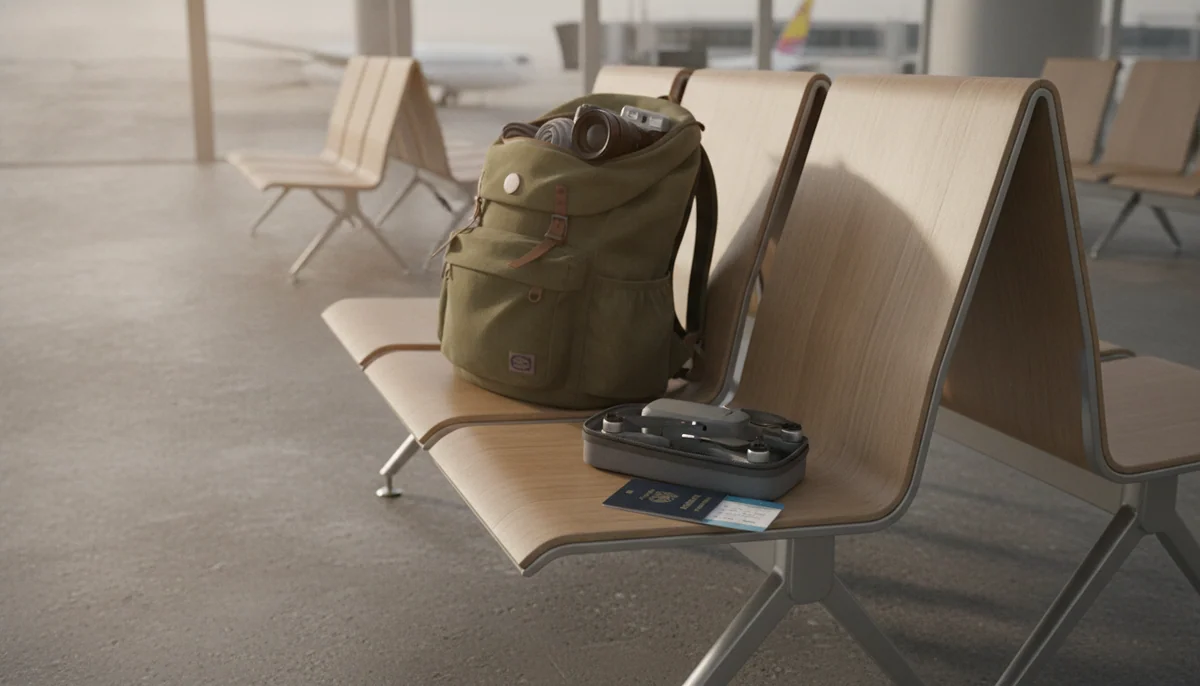
Every drone on this page fits in a bag. That is not the question. The question is which one you are still carrying on day four, after the pack has been on and off six times, after the battery you were relying on turned out to be the battery you used photographing the car park, and after you found that the only socket in the room is behind the bed. Travel and hiking do not reward the best camera. They reward the kit that costs you the least attention.
Which is why the pick is a drone that launched at the end of 2022. Mini 3 owners report getting past thirty minutes a flight, and the controller in this bundle has its own screen that stays readable with the sun behind you, so your phone stays in your pocket holding the map and the tickets and the charge you will want at the end of the day. Nothing else here does both of those things. The Neo 2 will fly itself around you at trail speed and survive being flown into a tree, and it will do it for about twelve minutes at a time from a drone that does not fold at all. The Mini 4K is small enough that one owner keeps it in a hydration pack for motorcycle rides, and it will never once film him riding.
Quadcopter Bench has not flown any of these. What follows is drawn from the manufacturers' own specifications and footnotes, from the owners who wrote about their flights, and from published testing, and where those three disagree the disagreement is on the page rather than smoothed off it.
What a pack and a border actually ask of a drone
Four things decide this, and only one of them appears in a specification table.
The weight that matters is the paperwork, not your back
None of these drones will hurt your shoulders. The 249 gram line is a legal threshold, not a load, and crossing it changes what you have to do before you fly rather than how far you can walk. It is also easier to cross than people expect. DJI's own footnote for the Mini 4K says the 249 grams includes battery, propellers and a microSD card, and that actual weight varies between production batches. One Mini 3 owner added propeller guards as a stand-in for the obstacle sensors the drone does not have, went over the line, and had to register the aircraft. The extended battery that unlocks longer flights on the Mini 3 does the same thing, and DJI says so in the listing. The Neo 2 has the most headroom at 151 grams and a C0 class mark, and the Avata 2 is not in this conversation at all, sitting near 370 grams by an owner's account. If you are new to what that threshold buys you, our piece on registration and Remote ID under 249g is the short version, and the sub-249g roundup is the wider field.
The minutes on the box are laboratory minutes
Every figure here was measured in still air, at a fixed cruise, flown to a flat battery that nobody would ever land on. DJI states the conditions plainly if you read the small print: the Mini 4K's 31 minutes came from a windless laboratory at a constant 17kph in photo mode, and the Avata 2's 23 minutes from 21.6kph with the camera not recording. The three-figure numbers in the product titles are worse than optimistic, they are arithmetic: the Flip's 93 minutes is one rating multiplied by three batteries, and the Atom 2's 96 minutes is the same trick.
| On the box | In the air |
|---|---|
| Mini 4K, 31 minutes | Roughly 20 to 25, less again in 4K or breeze |
| Flip, 93 minutes | Three separate flights of about 24 to 25 minutes |
| Avata 2, 23 minutes | 15 to 18, and it is the drone people fly hardest |
| Neo 2, 19 minutes | 10 to 12 with the sensors working |
| Atom 2, 96 minutes | 15 to 23 a pack, measured at about 22 |
| Mavic 4 Pro, 51 minutes | No measured figure we could find, and still the longest legs here |
| Mini 3, 38 minutes | Past 30, landing on a sensible reserve |
Those real-world figures come from owners of each drone and, in the Atom 2's case, from published testing. The gap is an industry habit rather than a scandal, and we have written up why the box figure is several flights added together. What it means for a trip is simple: divide by three when you are planning a day, not by one.
Range claims deserve the same treatment and get less of it. The honest limit is never the radio, it is the charge you need to get home, and a tester who took the Mini 4K's Pro-badged sibling out to find the edge turned back at 4,544 metres with four of five signal bars still showing. The best rule anyone has offered is one from a Mini 4K owners' thread, and it is worth taping inside the case: do not fly further than you are willing to walk to fetch a downed quadcopter.
Charging is the real constraint away from home
Three batteries only help if you can refill them overnight, and the boxes are inconsistent about how. The Neo 2's hub fills three packs in 68 minutes and will then give charge back to your phone, which on a multi-day walk is the most useful thing in that kit. The Atom 2's hub does three in about 1.3 hours. The Avata 2's hub is cleverer than it looks in the field, shuffling charge between packs and topping off whichever is closest to full. The Flip's box does not contain a wall charger at all; DJI recommends you buy a 30W or 65W USB-C one, and an owner found a 100W brick was what actually made the hub behave. The Neo 2 ships no mains adapter either, and no case. Work out which plug you need before the trip, not in a hotel at eleven at night. Our piece on whether the Fly More Combo is worth it covers where the bundles genuinely pay.
Wind is the tax you pay for being light
Coastlines and ridgelines are where you want the drone and where the small ones are worst. A reviewer flying the Flip in roughly 20mph wind found it would hold station but start refusing its cleverer modes and posting warnings about coming home, well below its published rating. The Neo 2 is worse, and the most experienced reviewer of it is blunt: at 151 grams with cages, wind is the number one enemy and the drone becomes a kite. The Mavic 4 Pro is the answer to that problem and creates a different one, since an owner reports it is heavy enough to need an A2 certificate to fly near people and hard to hike with on your back. There is no drone here that is both light in the bag and settled in a gale, and pretending otherwise is how people lose aircraft. What a lightweight drone can genuinely take is worth reading before a coastal trip.
Where you are going may have opinions
Two of these matter enough to check before you buy. European operators flying a C0 class drone are capped at 120 metres above the takeoff point wherever the drone was bought, which is a real problem in mountains and catches people who assumed the exemption meant freedom. And American buyers are shopping in an unsettled market: new foreign-made drones were added to the FCC's covered list in December 2025 and DJI sued in February 2026, with the published position being that previously approved models remain legal to buy and fly. That is why a 2022 drone is still near the top of its category, and we keep the current state of play in our page on buying and flying DJI in the US.
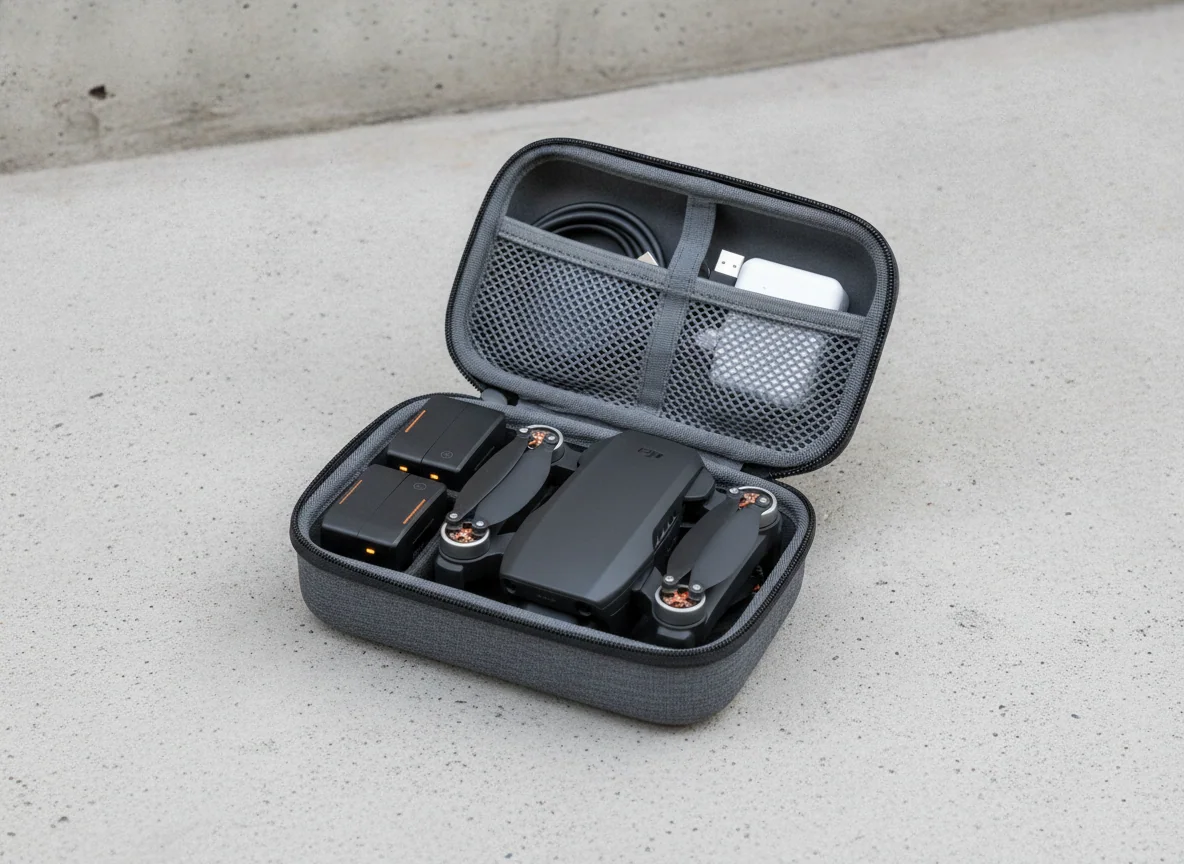
Seven drones, and where each one earns its space
Read these as answers to different trips rather than as a ladder. The order below is the order the site ranks them in, and the verdict at the top of this page is the one to act on if you only want one recommendation.
The one to take when losing it would be annoying rather than ruinous
It is the cheapest folding drone here with a real three-axis mechanical gimbal, and its sub-249g weight is the one nobody argues about.
It cannot see a branch and it will not follow you, so every shot of you moving has to be hand-flown from the ground.
Owners get 20 to 25 minutes out of it and one keeps it in a hydration pack, which tells you exactly what class of trip it is for: the one where the drone is a bonus rather than the point. Android buyers should note that DJI Fly is no longer on Google Play, the aircraft cannot be activated without it, and the download comes from DJI's own site, so do that at home. The full argument is in our Mini 4K review, and if you are weighing it against the pick, we have set the two side by side.
The best camera per gram here, if your bag has room for the cages
Folding carbon propeller guards make it the drone you can launch off a palm at a crowded viewpoint, and its 1/1.3-inch sensor is a tier above the cheap minis it sits beside.
Those guards behave like sails once the wind gets up, and they stack the drone taller in a pack than any flat-folding Mini, which is the wrong shape for a lid pocket.
The listing is candid that it stays under 249 grams and needs no FAA registration or Remote ID for recreational American flying, and equally candid that the battery charger is not in the box. The Remote ID gap is the thing to take seriously: an owner reports flying legally with a bolt-on broadcast module, but if there is any chance the footage gets paid for, decide that before you travel rather than after. More in the Flip review.
Bring it because you want to fly, not because you want a light bag
Nothing else here takes you through a gap in the rocks or down a ridge at head height, and the goggles turn a walk you have done fifty times into somewhere you have never been.
You are carrying goggles and a controller as well as an aircraft that needs registering, each pack buys about fifteen minutes, and flying in goggles requires a second person standing beside you.
Two things temper the excitement. The 13km transmission figure is, by DJI's own footnote, the farthest one-way, non-return range, which is not a number you can plan a flight around. And the integrated guards are not the armour the word implies: an FPV builder of more than a decade cracked one in his first week from a fall of a metre or two. The spotter requirement is listed as a genuine drawback by the buying guides too, and it is the one that ruins solo trips. Read the Avata 2 review and the FPV shortlist before you commit a rucksack to it.
The one that is actually in your jacket when the light does something
At 151 grams with fixed cages it launches off your palm, tracks you at trail speed and survives the crash, which is why owners of far better drones report flying this one most.
Plan on about twelve minutes a battery, accept that it does not fold, and know that the transceiver's upright antenna makes pocketable more of a claim than a fact.
The durability is not marketing. In a month of ownership it took tree strikes and concrete without complaint, and it is forgiving enough that a four-year-old flew one on the first afternoon without anybody reading the manual, though the same account has it tracking a child straight into their bike helmet. Treat the obstacle sensing as a backup rather than a promise. The hub charging three packs in 68 minutes and doubling as a phone power bank is the single most travel-shaped thing in any of these boxes. Our Neo 2 review goes further, and the follow-me shortlist covers the alternatives if being in the shot is the whole point.
A screen, three batteries and a shoulder bag, without a DJI badge on it
The PTD 1's built-in display means you never unfold a phone at a trailhead, and the drone under it hovers without measurable drift while staying under 249 grams.
It has no forward or side obstacle sensing whatsoever, which is precisely the wrong combination with tracking modes built to send it chasing you past trees.
An owner on the coast flew it five miles over open water and had it return within inches of the takeoff point, which is the kind of report that makes the brand argument for itself. Two cautions. The PTD 1 is compatible with the Atom 2 and nothing else, including Potensic's own successor, so it is convenience today rather than an investment. And the 48MP stills the listing prints as 8K arrive as JPEG only, with the raw files capped lower. The full review covers the firmware history, and our piece on Potensic against DJI answers the question most buyers arrive with.
The wrong drone for a hike and the right one for a trip somebody is paying for
Its mass is the reason it holds a frame in wind that shoves every other drone here around, and all three of its cameras now share one colour profile.
An owner puts it plainly: it is heavy enough to need an A2 certificate to fly near people and hard to hike with on your back, and it clears every sub-250g exemption by a mile.
Check the box contents against the bullets before you order, because DJI's own listing describes a seven-inch RC Pro 2 in one bullet and ships a DJI RC 2 according to the next one; the larger controller belongs to a different combo. Anyone spending this much should also read what is left of accidental-damage cover, since the manufacturer's own scheme is gone in the US. The Mavic 4 Pro review is unsparing about ownership, and the professional guide is where it actually belongs.
The pick: the longest legs in the class, and a screen that leaves your phone alone
Owners report past thirty real minutes a battery and the DJI RC stays readable in direct sun, which is the combination that counts when the walk in took two hours and your phone is the map.
It has no sensing but downward and it cannot lock onto a moving subject in any mode, so it is the wrong tool the second you want footage of yourself walking away.
Two details seal it for travel. True vertical shooting rotates the gimbal rather than cropping a landscape frame, so a waterfall or a tower arrives at full resolution instead of two thirds of it. And the screen controller converts sceptics: one owner in the review set says he was certain paying for a display was a waste of money and was completely wrong. Do not misread the missing sensors, though. DJI never claims obstacle avoidance for this drone anywhere on the listing, several buyers praise sensing it does not have, and the direction small drones are most often crashed is sideways. Our review has the whole case, and what avoidance systems actually catch explains why the drones that have it still fly through wires.
Frequently Asked Questions
Does a drone under 249g need registering or Remote ID?
For recreational American flying the sub-249g models here are exempt from both, though the free knowledge test still applies, most other countries register the operator regardless of weight, and anything you are paid for needs certification, so check your own regulator and our summary of the rules before you travel.
Can I still buy and fly a DJI drone in the United States?
Models approved before new foreign-made drones went onto the FCC's covered list in December 2025 remain legal to buy and fly on the published position, but DJI's legal challenge means this keeps moving and we track it separately .
Can the batteries go on a plane?
Spare lithium packs belong in your cabin bag rather than the hold, and the number you are allowed to carry is the airline's call, so read their dangerous-goods page before you pack the charging hub.
Which of these will film me while I walk or ride?
The Neo 2 by a wide margin, with the Flip second and the Atom 2 third, while the Mini 3, the Mini 4K and the Avata 2 cannot track a subject at all.
Potensic or DJI for a trip?
The Atom 2 gives you a screen controller, three batteries and subject tracking in one box and gives up obstacle sensing and app polish to do it, which we work through properly here .
Atom 2 or Mini 4K?
Take the Atom 2 if you want tracking, vertical video and a built-in screen, and the Mini 4K if you want the simpler, better-supported aircraft and the spares that come with an enormous installed base, with the head-to-head here .
Atom 2 or Mini 3?
The Mini 3 flies longer and shoots true vertical, the Atom 2 tracks and comes with a screen, and the comparison page settles which trade suits you.
How many batteries should I actually carry?
Three, because one pack buys a single short flight and the light you walked out for arrives when it arrives, which is the one situation where the loaded bundle is the honest recommendation rather than an upsell.
Is the screen controller worth the extra over a phone clamp?
On a trip yes, because your phone is your map, your ticket and your torch, and we make the general case here .
Will any of these hold a shot in mountain wind?
Only the Mavic 4 Pro reliably, which is exactly the drone you will least enjoy carrying up the mountain.
Our Top Recommendation
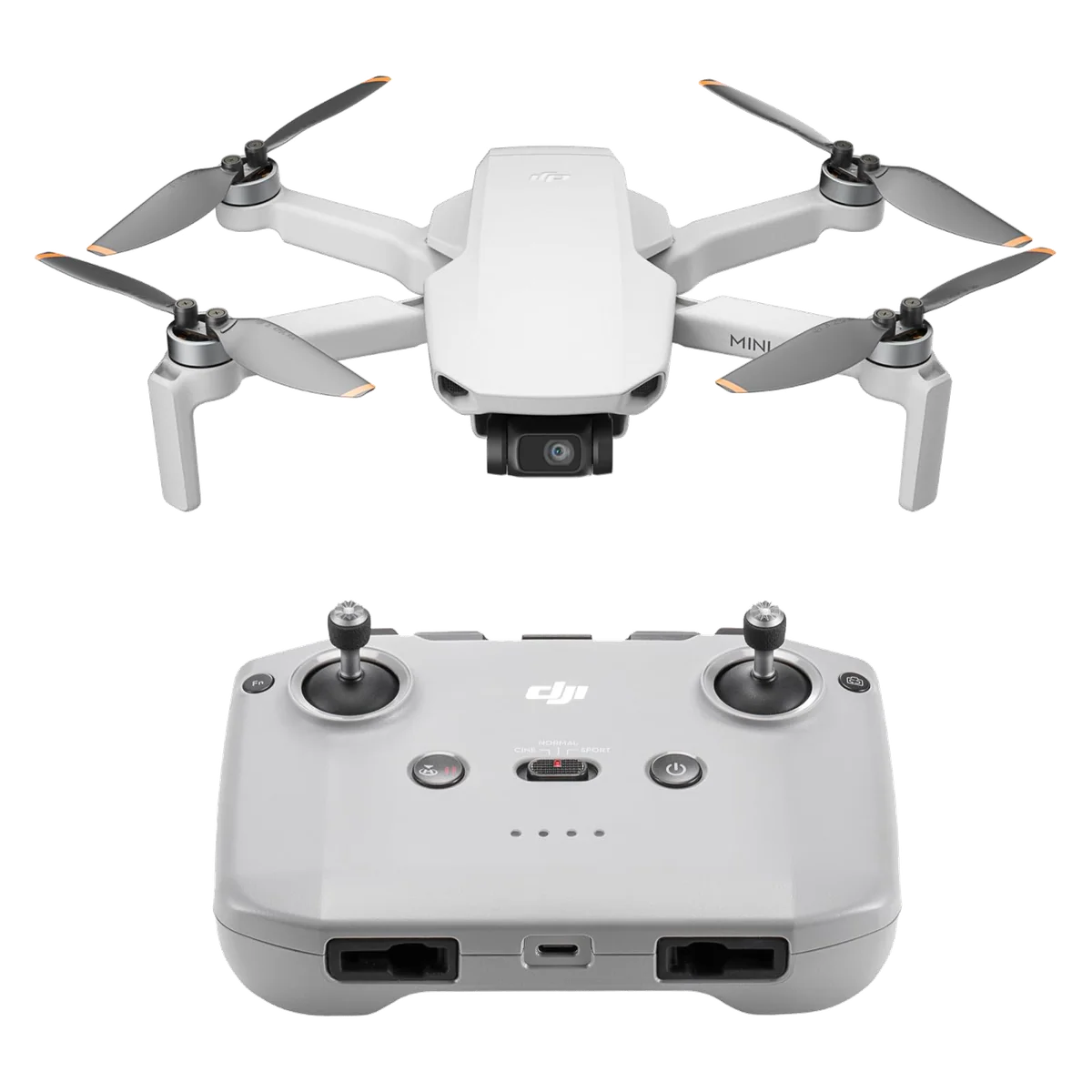
Based on our research, the DJI Mini 4K is our top pick — travel drones.
Sources (11)
- Amazon listings and customer reviews
- Owner and reviewer video, 1 channel
- Techradar — Article — www.techradar.com
- Firstquadcopter — Article — www.firstquadcopter.com
- Mavicpilots — Article — mavicpilots.com
- Fstoppers — Article — fstoppers.com
- Photo — Article — jvn.photo
- Pcmag — Article — www.pcmag.com
- Oscarliang — Article — oscarliang.com
- Digitalcameraworld — Article — www.digitalcameraworld.com
- Ca — Article — vancouverislanddrones.ca