Holy Stone HS175D vs Potensic ATOM SE: the extra money buys a radio, and the radio decides it
Buy the Potensic ATOM SE: a dedicated radio with your phone cabled to the controller, part-mechanical stabilisation and a return to home accurate to inches make it the better aircraft on almost every axis, and the Holy Stone HS175D earns a look only if your real budget is the price of the crash rather than the price of the drone.
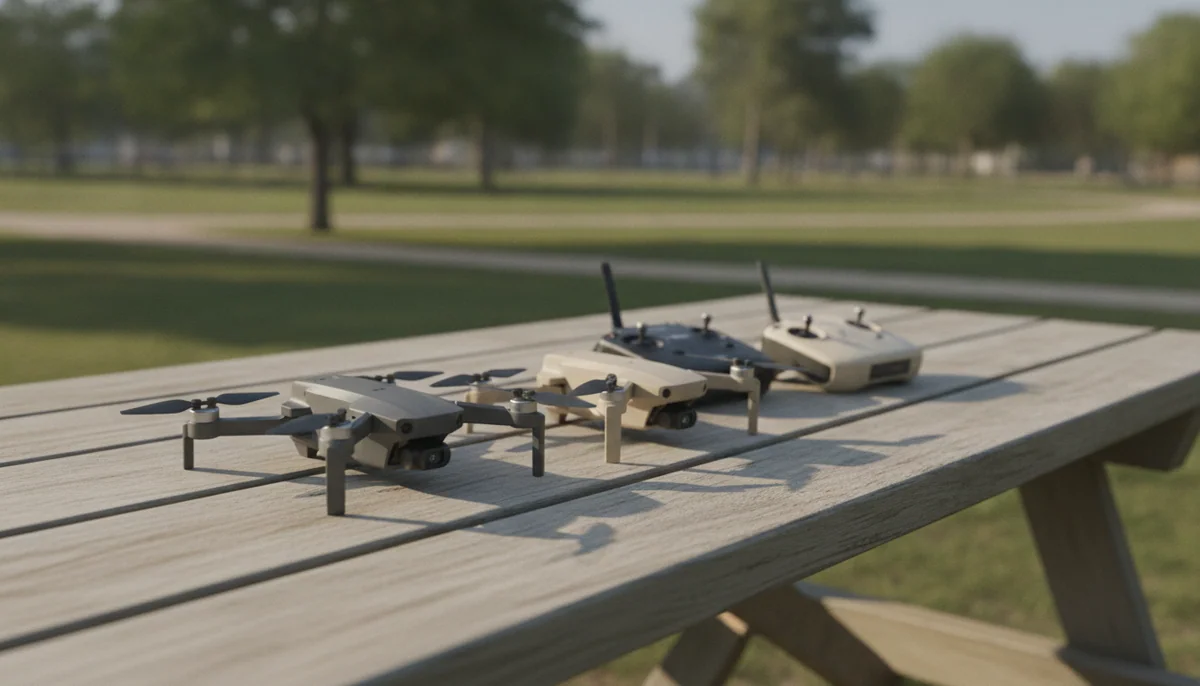
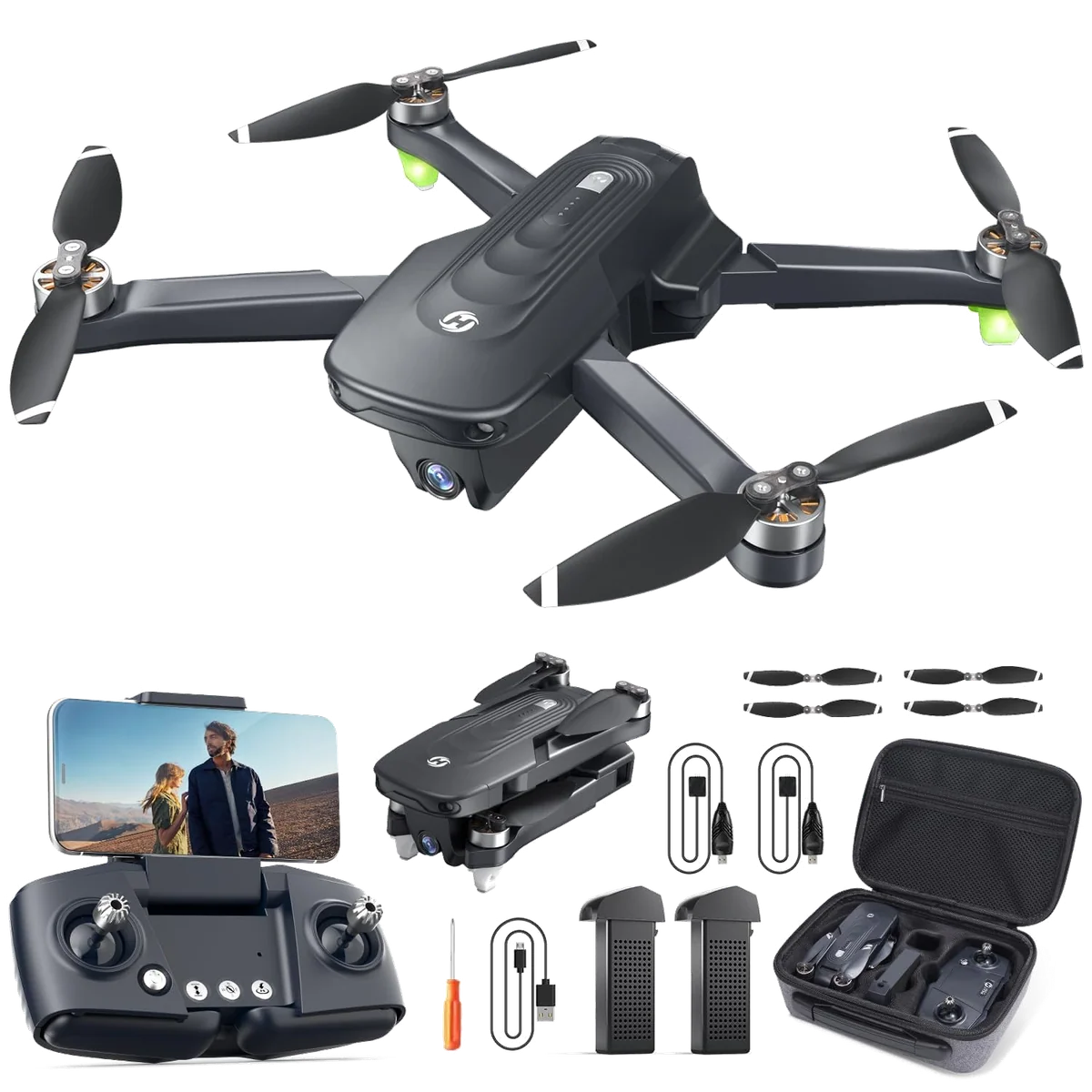
Holy Stone HS175D
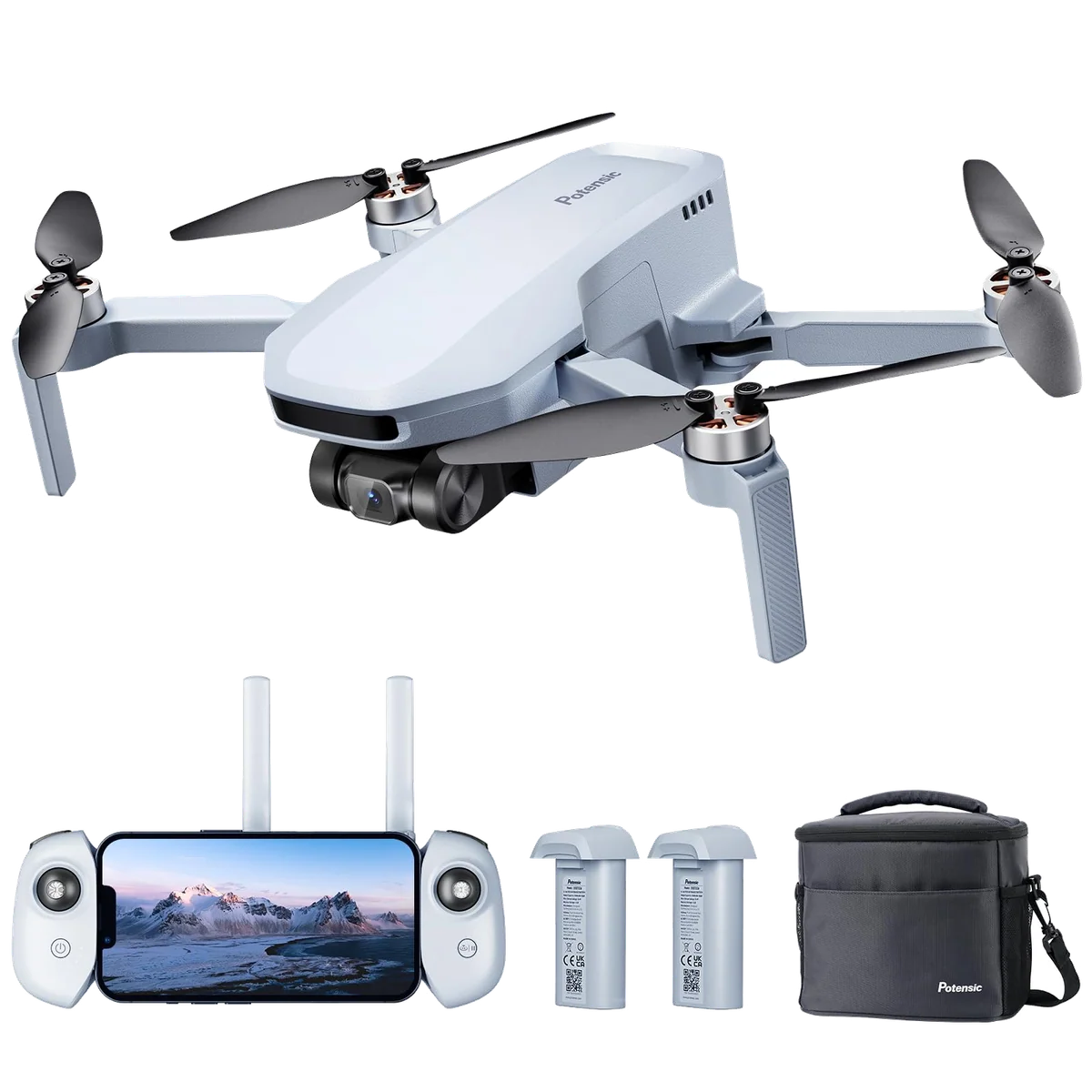
Potensic Atom SE
These two get cross-shopped because they look like the same purchase. Both fold into a hard case, both come in under the 249 gram line, both run brushless motors, both hold a GPS hover, both print 4K on the box, and both quote a flight time that is two batteries added together and presented as one number. Read the listings side by side and the only obvious difference is the money.
The difference that actually matters is not on either listing in a form you would notice. The HS175D talks to your phone over ordinary Wi-Fi, which is why owners describe the feed breaking up a couple of hundred metres out and why a hedge between pilot and aircraft can end the connection outright. The ATOM SE uses a proper transmitter with the phone plugged into it by cable, and reviewers singled that out as the reason control feels dependable rather than laggy. Everything downstream of that choice, the usable distance, the reliability of the live view, whether your phone can receive a text while you fly, follows from it.
One thing to settle before you spend anything: neither of these is a camera drone, and Quadcopter Bench would rather say that in the first breath than let you discover it in month two. The SE's stabilisation is the best of its kind and it is still the wrong kind. The HS175D has none worth the name. If the footage is the point of the purchase, the honest move is to skip both and read on at the end of this page.
| Take the ATOM SE if | Take the HS175D if | Walk away from both if |
|---|---|---|
| You want the live picture to hold up past a treeline and a few hundred metres. | You want to spend the least possible money on an aircraft you fully expect to break. | You want video you would put in front of other people. |
| You want stabilisation that does something, and a camera you can keep using once you can fly. | You want a hard distance and height fence that simply refuses to let a first flight run away. | You want the drone to see obstacles, because neither of these sees anything in any direction. |
| You would rather not spend your first afternoon on a calibration ritual. | Stills are the job, and inspecting a roof or a gutter matters more than moving pictures. | You want a drone that keeps a camera on you visually while you run or ride. |
Holy Stone HS175D
Potensic Atom SE
At a Glance
| Feature | Holy Stone HS175D | Editor's Pick Potensic Atom SE |
|---|---|---|
| Price Range | Under $200 | $200–$500 |
| Finish | Black | Gray |
| Configuration | 10.83" x 8.27" x 2.48" | 11.81 x 9.64 x 2.28 inches |
| Check Price on Amazon | Check Price on Amazon |
The link is the argument, and it is not close
Start with the Holy Stone, because its ceiling is the lower one and it is easier to describe. The video goes over Wi-Fi. A dedicated range test turned the aircraft around at roughly 240 metres. An owner testing distance lost camera transmission at 210 metres and found the aircraft disconnecting between 25 and 30 metres of altitude straight up. Meanwhile the settings screen will happily let you dial a 500 metre maximum, a number the radio cannot hold. The most vivid version of that gap comes from an owner who flew over a nine-foot hedge into the next field, lost control instantly, and ended up pushing his arms through a gap in the hedge to retrieve the drone. The obstruction was one hedge.
The ATOM SE's advertised 4km is no more honest as a headline, but the floor underneath it is in a different place. The most careful owner on that listing, who bought the drone specifically for distance, concluded that without amplifying the controller he was realistically getting 1,200 to 1,500 feet with average trees and buildings in the way, and close to 2,000 feet from a hotel balcony with nothing between him and the aircraft; another reached about 3,200 feet at twilight and freely admits he will never know the real limit because he has to keep the thing in sight. A video reviewer reached roughly half a mile and then made the point that closes the subject: 4km is outside any rule a legal pilot flies under, so the number is not a number you can use.
Which is exactly why this comparison is not about who wins a distance contest. Both aircraft are legally pinned to unaided visual line of sight, and a 216 gram drone vanishes against a bright sky long before either radio does. What the SE's link actually buys you is that the picture is still there when you are 400 metres out with a line of trees off to one side, and that your phone is not conscripted as the radio. On the HS175D your handset sits in airplane mode for the whole session, so no calls and no messages for as long as you are flying, which two batteries makes a long time.
Two compromised cameras, and one much smaller compromise
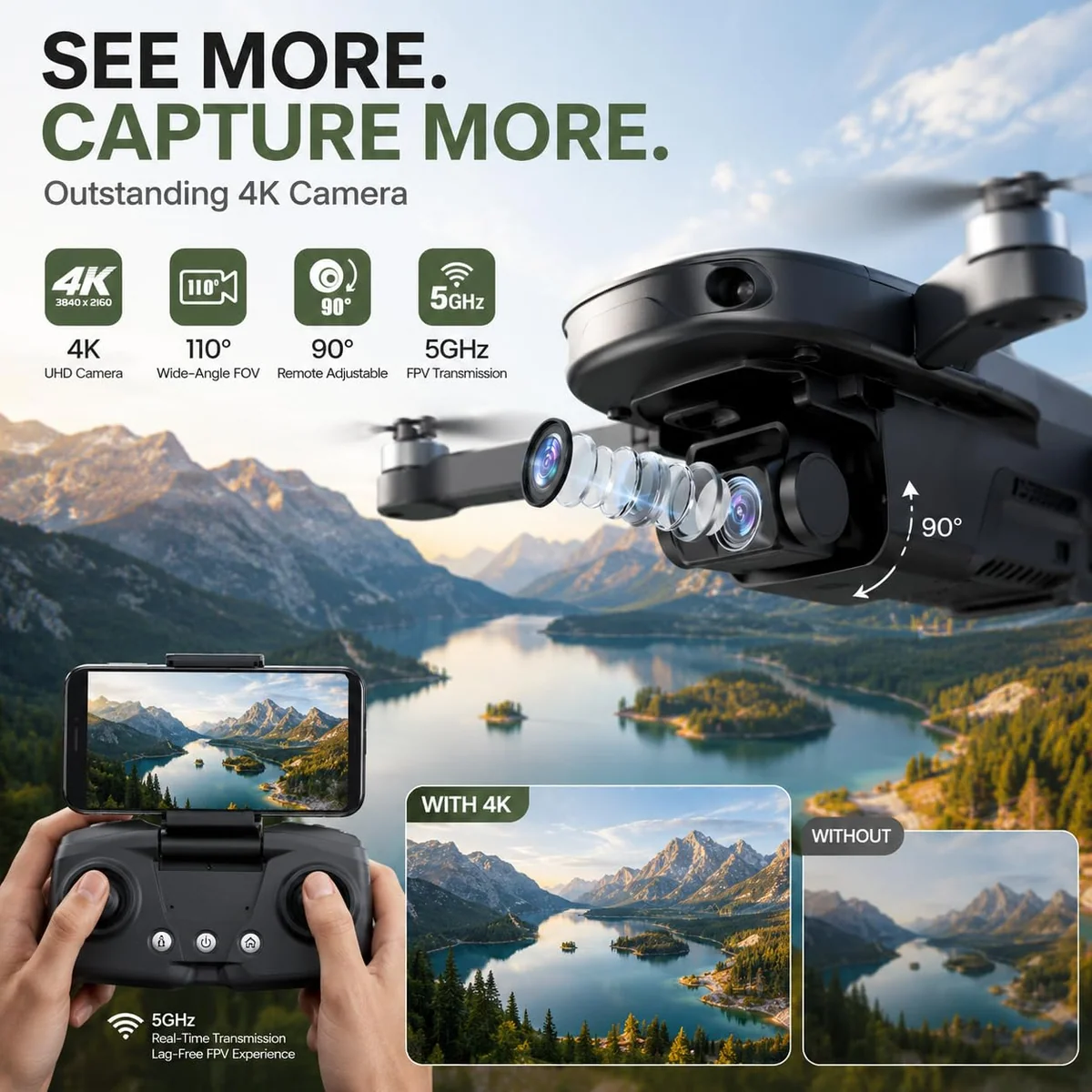
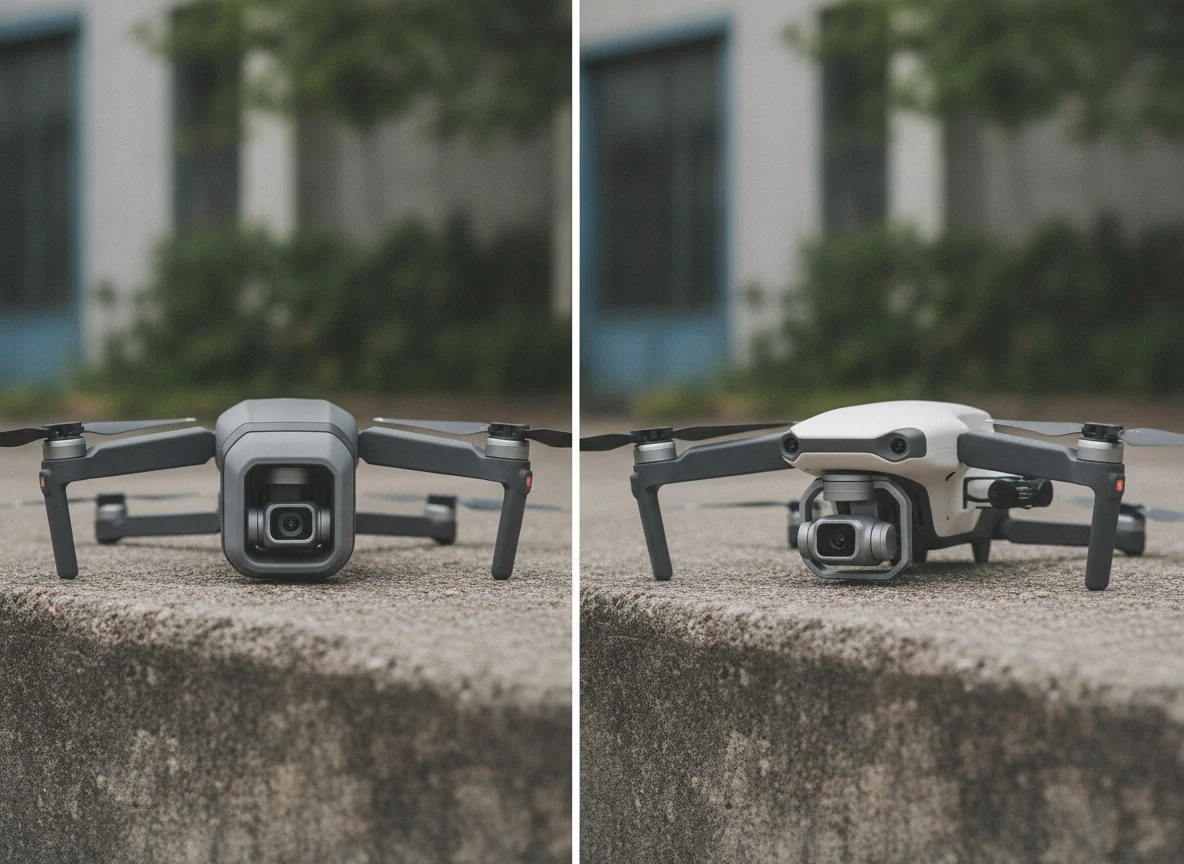
Nothing on the HS175D isolates the camera from the airframe. Sources that flew it cannot even agree how many axes the mount has, and the argument is academic, because the functional answer is unanimous: the footage inherits every twitch of your right thumb and every gust. Owners arrive at the same workaround independently, which is to fly slowly, feed the sticks gently and hover before shooting; one learned to rotate the aircraft and then wait two full seconds before touching the shutter, because otherwise the horizon tips. The stills, to be fair, are the part nobody argues with. One owner bought it to photograph an inaccessible roof after inspection quotes came in high, and the pictures did the job.
The SE stabilises on one mechanical axis plus electronic stabilisation, which Potensic markets as ShakeVanish and which a great many spec-scraping sites mislabel as a three-axis gimbal. Digital Camera World called the resulting image easily the best it had seen from a drone relying on electronic stabilisation, and was equally clear about the failure mode: with no gimbal able to rotate against the airframe leaning into wind, you get a flat, tilted horizon flying into and away from it. The same review caught the tell in Potensic's own naming, wondering aloud whether calling the speed settings Video, Normal and Sport is an admission that the faster you go, the worse the stabilisation gets. A video reviewer describes it as pitchy in motion and offers the fix that helps, which is to move slowly and feed in a little counter-stick. If none of that vocabulary means much yet, the difference between a gimbal and electronic stabilisation is the whole reason cheap drone video looks the way it does.
So the SE wins the camera comparison decisively, and still loses to any drone with a real gimbal. It also carries a limitation the HS175D shares and neither listing dwells on: there is no zoom, not digital, not anything. The SE sees at 118 degrees, dramatically wider than the 78 degrees of the gimballed Atom that sits above it, which reviewers of that model listed as a drawback. Wide is dramatic, wide is distorted, and wide has no reach. One owner put it flatly: one fixed distance, so if he wants detail he flies lower.
The box numbers, checked against the people who own them
| What is claimed | Holy Stone HS175D | Potensic ATOM SE |
|---|---|---|
| Flight time | 46 minutes on the box, which is two packs of a little over twenty added together; owners land on about 20 minutes each, and low-battery return fires before either is empty | 62 minutes on the box, which is two claimed 31s added together; owners cluster at 22 to 25 minutes each, less when flown hard |
| Range | 500 metres selectable in the app, roughly 210 to 290 metres before the Wi-Fi feed gives out | 4km claimed, roughly 1,200 to 3,200 feet reported depending on what is in the way |
| Return to home | Within a foot of the launch point with a fresh compass calibration, drifting to around ten metres after several returns without recalibrating | Reported landing 18 inches from the pad on command, and within a few feet on low-battery returns |
| Stabilisation | None that damps the airframe; a manually tilted lens over a 90 degree arc | One mechanical axis plus unusually good electronic stabilisation, which still cannot level a leaning horizon |
| Speed | 18mph on a radar gun, with the rates stepped through by pressing the right stick in | About 35mph in Sport, which refuses to unlock until the battery is warm enough |
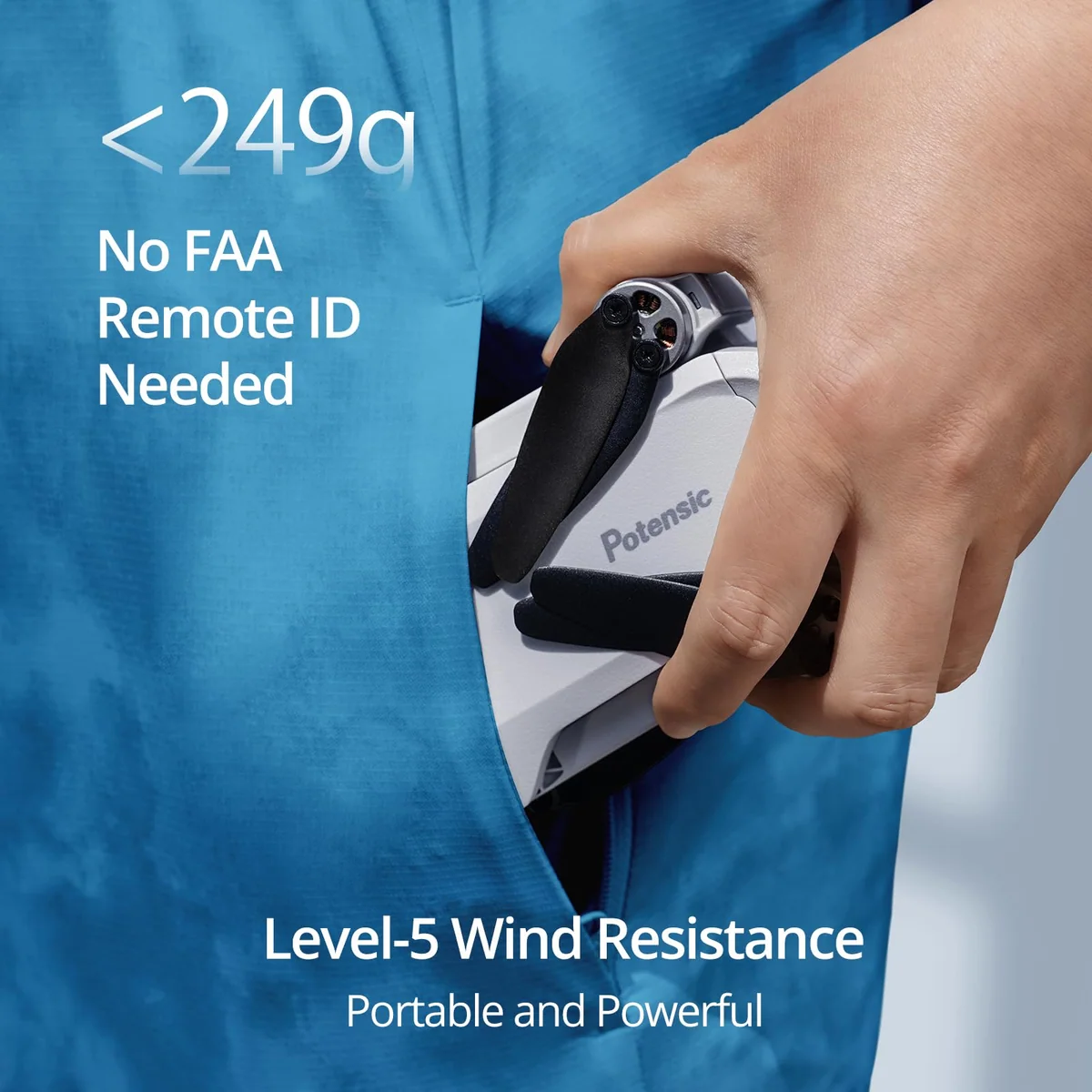
| Weight | About 216 grams on a scale, comfortably inside the sub-250g line | 248 grams with the battery fitted on an owner's kitchen scale, inside it by two grams |
| Obstacle sensing | None, in any direction | None, in any direction |
Two of those rows deserve a word. The flight-time line is not a scandal so much as an industry habit, and both companies are doing the identical arithmetic; our piece on how the box figure gets assembled explains why every drone on the shelf does it. The weight line matters more than it looks: the HS175D's 216 grams gives you real margin for a heavier propeller guard or a sticker, while the SE's 248 leaves you two grams of headroom and no more.
Getting off the ground the first time
This is where the HS175D loses buyers it did not need to lose, and it happens before anyone has flown anything. You have to open your phone's Wi-Fi settings and join the drone's own network by hand, because the app will not do it for you and nothing downstream works until you have. Then comes a per-flight ritual: bind the controller, gyro calibration with the sticks, compass calibration with the aircraft rotated fully horizontally and then fully vertically, where half-turns will not do and one owner lost most of an afternoon finding that out. Then you arm the motors by pulling both sticks down and inward together, which is a different gesture from down and outward, which is why one owner posted that in months of ownership she had never once heard the propellers move. If you go this way anyway, our walkthrough on pairing and calibrating a Holy Stone takes that sequence in order.
The SE is not frictionless, it is just frictionless in smaller ways. Satellite acquisition takes something like half a minute, which feels much longer standing in a field. Sport mode is gated on battery temperature, so on a cold morning you simply do not get it. And an iPhone in a bystander's pocket can genuinely interfere: one owner watched his drone enter a spiral descent and caught it two feet off the ground with an emergency stop, then flew another fifteen minutes without incident once the phone went into airplane mode. Independent testers of this product line treat airplane mode as a routine pre-flight step rather than folklore. Note the asymmetry, though: on the SE that is a precaution for phones near you, while on the HS175D your own phone is in airplane mode by design for the whole flight.
What the second month looks like
Batteries are the standing weakness on both sides, in opposite ways. Quadcopter Bench found no HS175D-specific pattern of battery failure and will not invent one, but the wider Holy Stone range has a real problem, including packs found swollen after storage with almost no use behind them. Same factory, same constraints, so treat it as the risk to watch and exercise both packs properly inside your return window rather than leaving the spare sealed in the case until spring. The SE's fault is less alarming and more annoying: its packs shed charge sitting idle, half gone after a single week in one owner's account and flat after a couple of months in another, which means it is not a drone you grab on impulse and fly.
On crash survival the Holy Stone is genuinely the tougher proposition, and this is the strongest thing on its side of the ledger. A long-term owner learned to fly on his, crashed it hard several times, had a dog attempt to eat it, and reports propellers as the worst damage three years in. A reviewer flew one into a tree on camera, unfolded the arms and carried on. The SE's airframe takes impacts well too, but its accessories do not: one owner had the camera killed outright by a first-flight tree strike, and separately cracked a controller antenna and unscrewed a joystick, both apparently while the controller sat in the cab of his truck.
One quiet structural difference will outlive both warranties. The SE takes firmware over the air, and Potensic ships updates. Holy Stone owners report that older models simply do not receive them, so the HS175D you buy is the HS175D you keep. That cuts both ways, and honestly: one SE owner reports that a headless mode he had paid for vanished in an update shortly after purchase, with no notice, which is a thing that can only happen to a drone the manufacturer can still reach. On balance an aircraft that can be improved beats one that is frozen, but it is not a free win.
Support is a genuine draw. Holy Stone's service is the most consistently praised thing about the company, with replacement drones and batteries sent readily, though diagnosis is thin and out of warranty you are alone. Potensic answers within a day and has been strikingly generous to owners who admit they broke their own gear, replacing a drone lost to a tree on flight one and sending free propellers to a man who had already repaired his own landing leg with epoxy and an old credit card. Popular Mechanics, reviewing a much newer Potensic, still names the SE the best value among the drones it recommends, which is a fair reflection of where it sits.
For the record on what this page is: Quadcopter Bench has not flown either aircraft. Nobody here has timed a battery, gunned a speed or measured a range on these two, and every figure above comes from the published record, which is set out in full in our HS175D review and our ATOM SE review.
Holy Stone HS175D
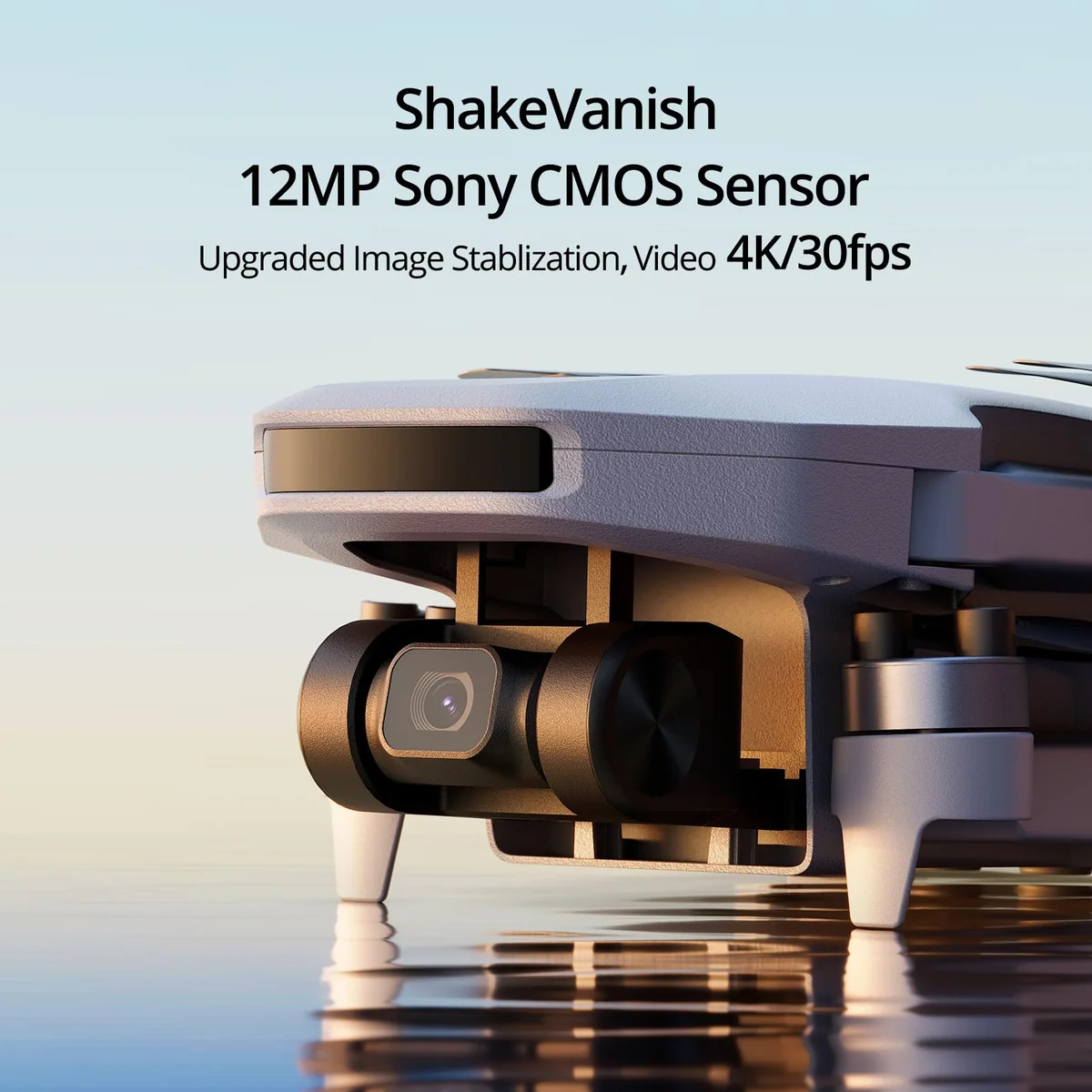
Potensic Atom SE
Which one is actually yours
The split is cleaner than most comparisons manage. If you are buying a drone the way you would buy a first guitar, expecting to be bad at it and wanting the damage to be cheap, the Holy Stone is a defensible answer and its hard beginner fence is a real feature rather than a consolation. If you are buying an aircraft you would like to still be flying next summer, with a picture you can see and footage you would not delete on sight, the Potensic is the one, and the gap between them is wider than the gap in the money.
The one to buy if the price of the crash is the whole question
It parks itself in a hover, comes home within a few metres of the pad when the compass is freshly calibrated, runs quiet enough to fly beside your head, and shrugs off the impacts that end most people's first month.
Nothing damps the camera against the airframe and the picture travels over ordinary Wi-Fi, so the footage carries every stick input and the live feed gives out a long way short of the 500 metres the app will let you dial in.
The better aircraft, and the one most people asking this question should buy
A real transmitter with your phone cabled to it, return to home accurate to inches, and the best electronic stabilisation anyone has put on a drone this cheap add up to the one that stays useful once you can actually fly.
One mechanical axis cannot level a horizon while the airframe leans into wind, there is no zoom of any kind to pull a subject closer, and the batteries lose meaningful charge just sitting in the case for a week.
If reading the last two paragraphs has made you realise that footage was always the point, buy neither. Stay in the same family and step up to the Potensic Atom 2, which puts a real three-axis gimbal and a bigger sensor behind the same friendly flight behaviour, and our SE against Atom 2 comparison works out exactly what the difference buys. The other name people will shout at you is the DJI Mini 4K, and they are not wrong to. Either way you are leaving the category these two live in, which is the category of drones you learn on, and our beginner shortlist covers the rest of that shelf.
Frequently Asked Questions
Which is the better drone for someone who has never flown anything?
The ATOM SE, because its setup is shorter, its link is dependable and its return to home is precise, and the only argument for the HS175D is that its beginner fence is stricter and replacing it costs less.
Do the advertised flight times mean anything at all?
Only as arithmetic, since 46 and 62 are both two batteries added together and the real figures are roughly 20 minutes a pack on the Holy Stone and 22 to 25 on the Potensic before either aircraft starts thinking about coming home.
Will either one follow me while I ride or run?
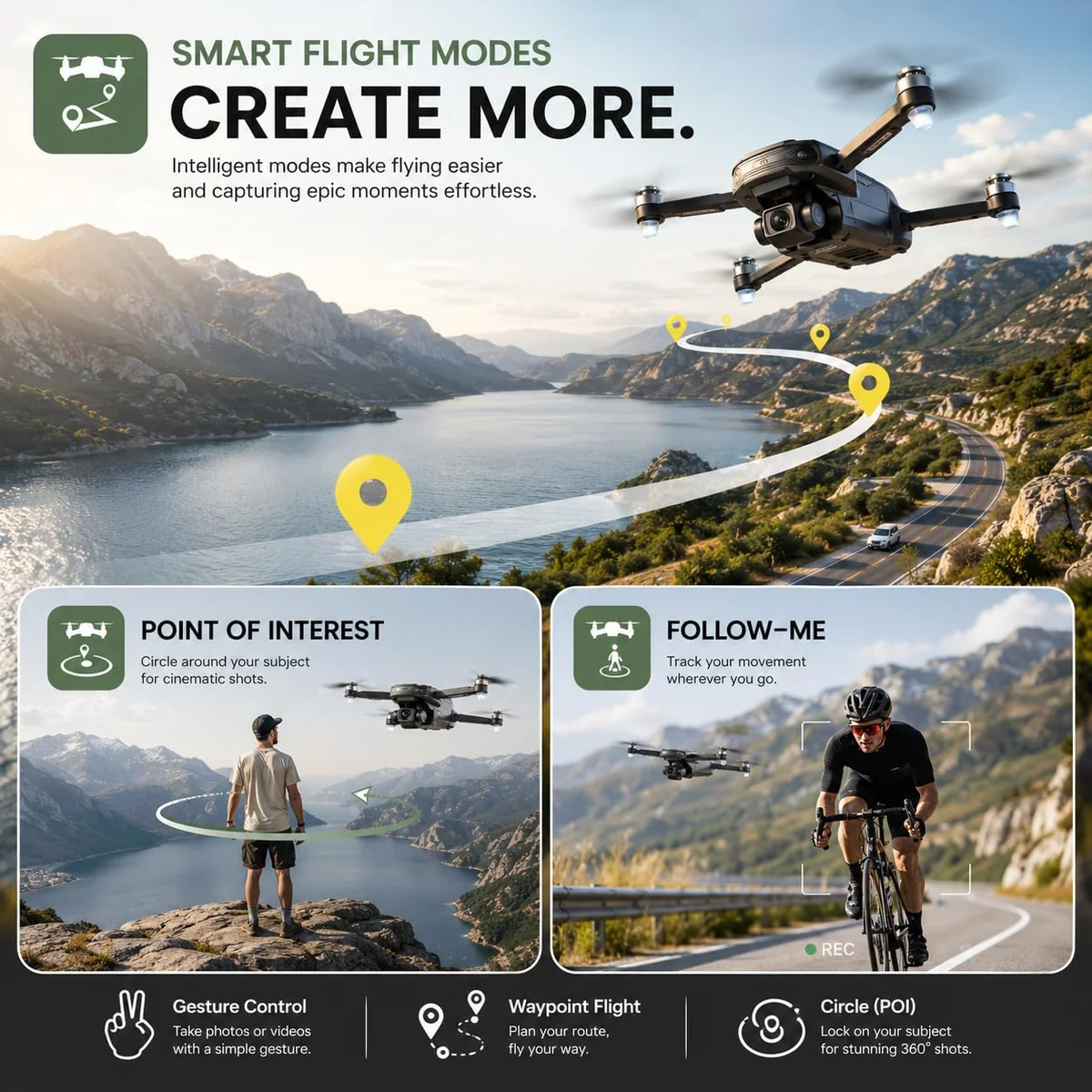
Not in the way you are imagining, because both track the controller by GPS rather than recognising you visually, which is a fundamentally different mechanism from the aircraft on our follow-me list .
Does either need FAA registration or a Remote ID module?
Flying recreationally in the US neither does, since both come in under 249 grams, though commercial flying is a separate question and the rules are worth reading properly before your first flight.
Which one handles wind better?
Both hold position better than their weight suggests, with the Holy Stone verified holding in 13 to 17mph and the Potensic rated to level 5 wind and reported steady in 7 to 10, but nothing in the record flew them against each other and the honest general answer is in our piece on what a lightweight drone can take .
Do I need a microSD card for either of them?
Buy one for both, because the Holy Stone's phone feed is a compressed preview rather than the footage and the Potensic asks only for a U1 or C10 card, which is arguably too low a bar for 4K and the known bottleneck across that product family.
Is Holy Stone worth buying into at all if the ATOM SE beats it here?
Losing one comparison is not a verdict on a brand, and the fuller case on price, durability and a support department that tends to send replacements is in our piece on Holy Stone , just as the Potensic against DJI question is answered separately.
Ready to Choose?
Sources (7)
- Amazon listings and customer reviews — Holy Stone Hs175d and Potensic Atom Se
- Owner reports across r/drones, r/HolyStone threads
- Owner and reviewer video, 5 channels
- Digitalcameraworld — Article — www.digitalcameraworld.com
- Potensic — Article — store.potensic.com
- Firstquadcopter — Article — www.firstquadcopter.com
- Popularmechanics — Article — www.popularmechanics.com