Two drones here wear the FPV badge, and only one of them puts you in the goggles
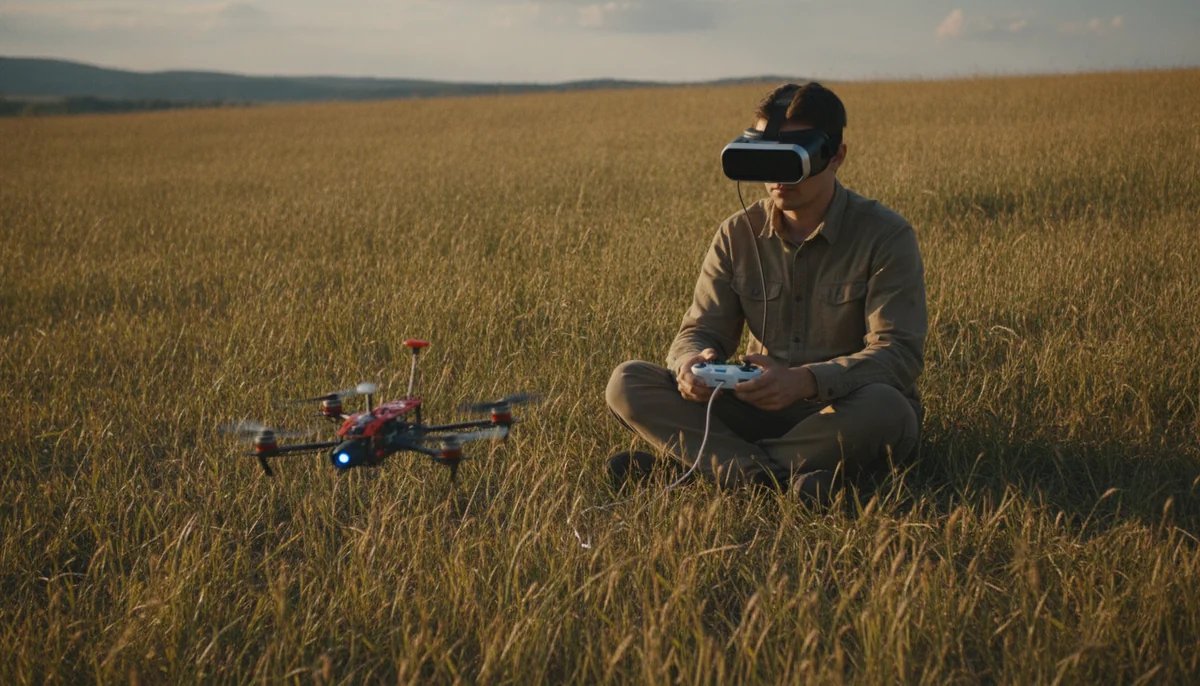
Buy into goggles if you have watched other people's FPV footage for years and want the sensation rather than the still image, if you want low, tight, indoor-scale shots that a gimballed camera drone physically cannot attempt, or if you already own a camera drone and want the other half of the hobby. Walk away if you want photographs, if you need one battery to last an afternoon, if you fly alone and cannot bring a second person to the field, or if destroying a four-figure object against a tree branch would ruin your month. It will meet a tree branch eventually. That is not a risk in this category, it is the syllabus.
The reason this shortlist is two aircraft long rather than twenty is that most things sold as FPV drones are not goggle drones at all. Some are camera drones with a sport mode. Some are toys with a first-person view on a phone screen. The rest are hand-built five-inch quads that assume you own a soldering iron and a bench power supply, which is a fine hobby and not one a buying guide can hand you in a box. What is left is DJI's ducted cinewhoop line, and inside that line the split is sharper than the shared name suggests: one of these two ships goggles, and the other, in the configuration sold here, ships a controller with a screen on it and cannot pair with goggles at all.
One number to carry into everything below. The box on the Avata 2 says twenty-three minutes, which DJI's own footnote admits was measured at a fixed cruise, in still air, at sea level, with video mode switched off and the pack run to zero. Owners who fly it the way it wants to be flown report about fifteen. Quadcopter Bench treats fifteen as the honest figure, and it is precisely why the three-battery kit exists and the single-battery kit is a trap.
Quick Picks at a Glance
| Feature | Editor's Pick DJI Avata 2 | DJI Avata 360 |
|---|---|---|
| Price Range | $1,000–$1,500 | $500–$1,000 |
| Finish | Black | Black |
| Configuration | Avata 2 Fly More Combo (3 Batteries) | — |
| Check Price on Amazon | Check Price on Amazon |
The shortlist, and why it is two aircraft long
These are ranked by the question the page is about, which is what happens when you put a headset on. That ordering is not the same as ranking them by camera, by cleverness or by how much footage they will get you, and the second entry beats the first on at least one of those.
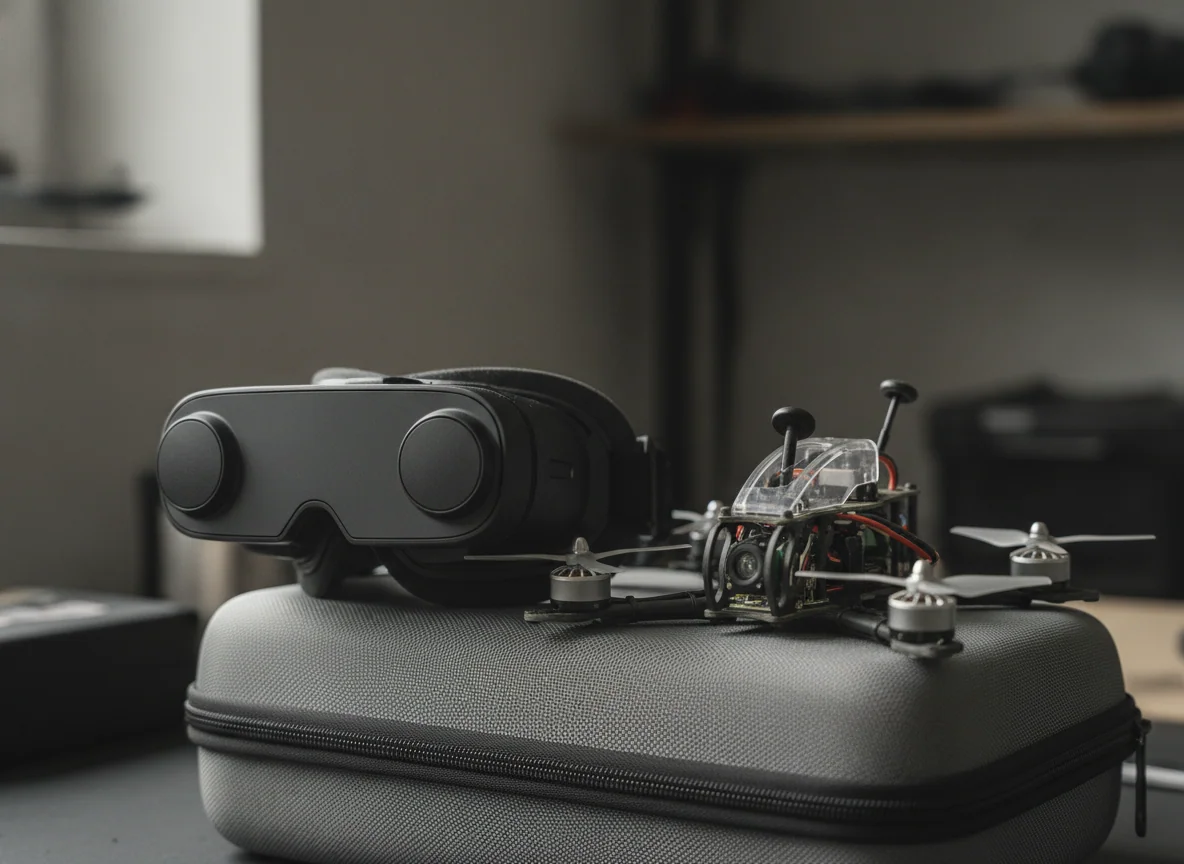
The one to buy if the goggles are the reason you are here
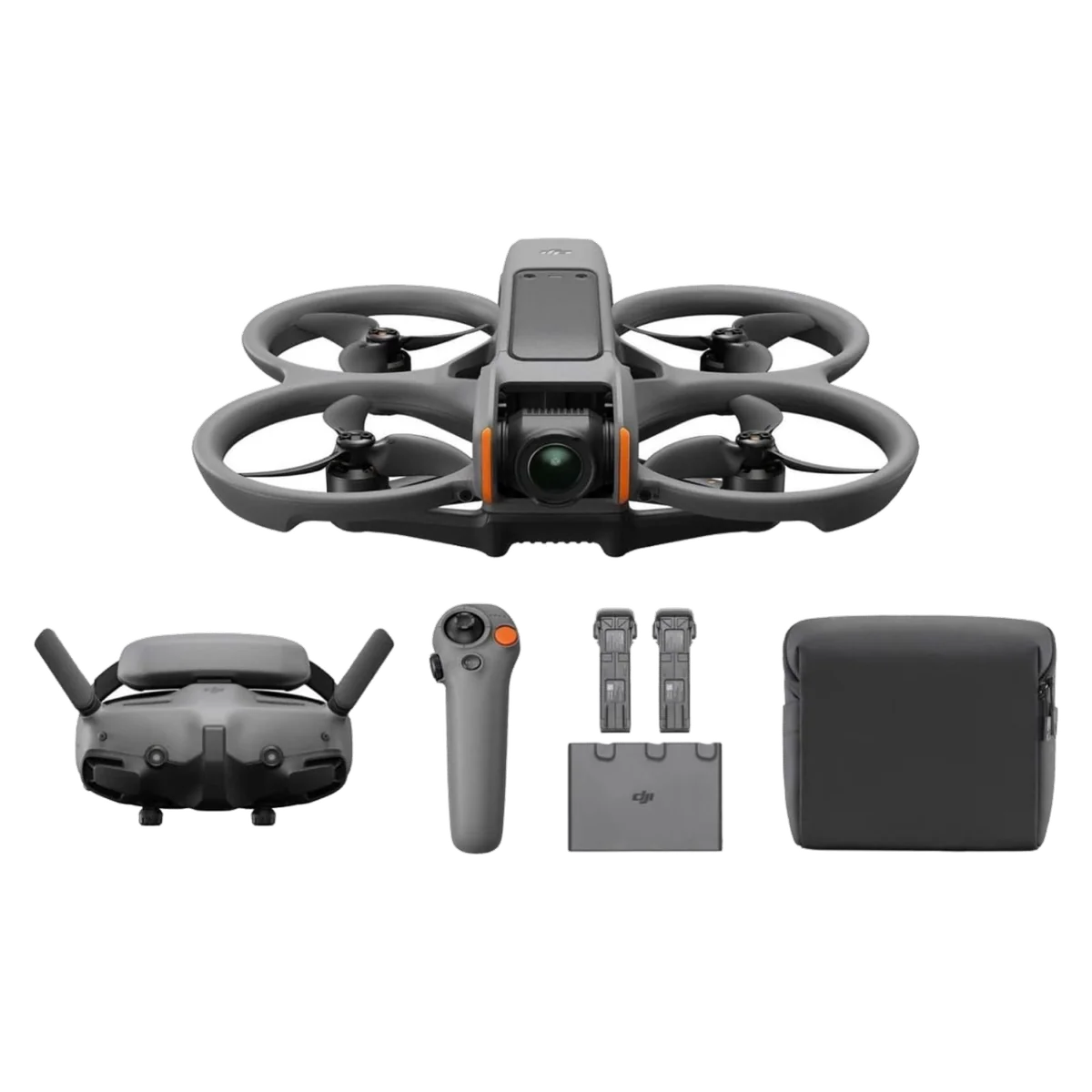
It is the only aircraft on this page that arrives with everything a goggle flight needs, and the motion wand plus the airbrake on the trigger make a first FPV flight survivable for somebody who has never flown one.
Plan on roughly fifteen real minutes per pack rather than the twenty-three on the box, accept that there is no forward obstacle sensing on a drone whose entire pitch is flying close to solid things, and know that true manual flight needs a stick controller this bundle does not contain.
The wand is the whole trick. You point where you want to go and the aircraft coordinates roll, pitch and yaw for you, which is why a person with no FPV background can fly this on day one and enjoy it rather than merely survive it. It is also a ceiling. Rate mode, the thing that produces the footage that made you want an FPV drone in the first place, needs the separate stick controller, and reviewers list that omission as a fault rather than a quirk. The consolation is that both controllers bind to the same aircraft with no setup ritual, so the wand is a starting point and not a dead end.
Three packs plus the charging hub is what turns a fifteen-minute aircraft into a continuous afternoon, because one pack refills in roughly the time it takes to fly the other two. If you are weighing bundles in general, our argument about when the Fly More box is honest and when it is an upsell puts this one firmly in the honest column, and the wider gap between box figures and flights explains why the arithmetic looks so different from the listing.
Two failure modes deserve to be in your head before the first flight rather than after it. Return to home climbs vertically before it turns for you, with nothing watching the space above, so invoking it under a canopy flies the aircraft into the canopy; one owner triggered it in his own garden and found the drone inverted in the weeds. And water is the reliable killer, because a reflective surface confuses the downward vision system, and a branch clipped over a river puts the aircraft on the riverbed instead of in grass you can search.
Toughness is where the record looks contradictory and is not. Grazes are genuinely fine: owners bounce off walls and foliage and carry on. Falls are not, and an FPV builder of more than a decade cracked one of the integrated guards in his first week from a drop of a metre or two, which is the datum to weigh against the listing's word "super-sturdy". The compounding problem is that this is a moulded, closed airframe with very little you can fix on a bench, so damage tends to mean posting it somewhere.
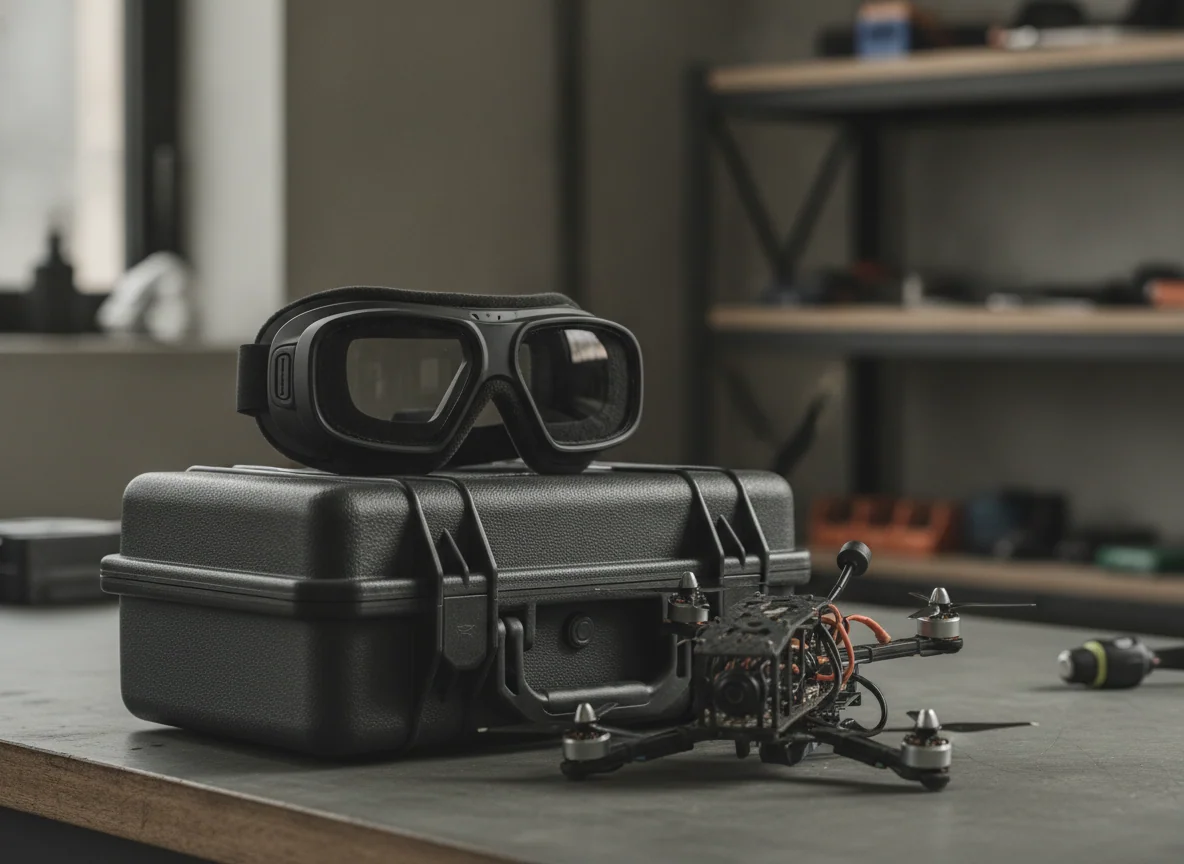
The one to buy if you want the shot more than the sensation of flying
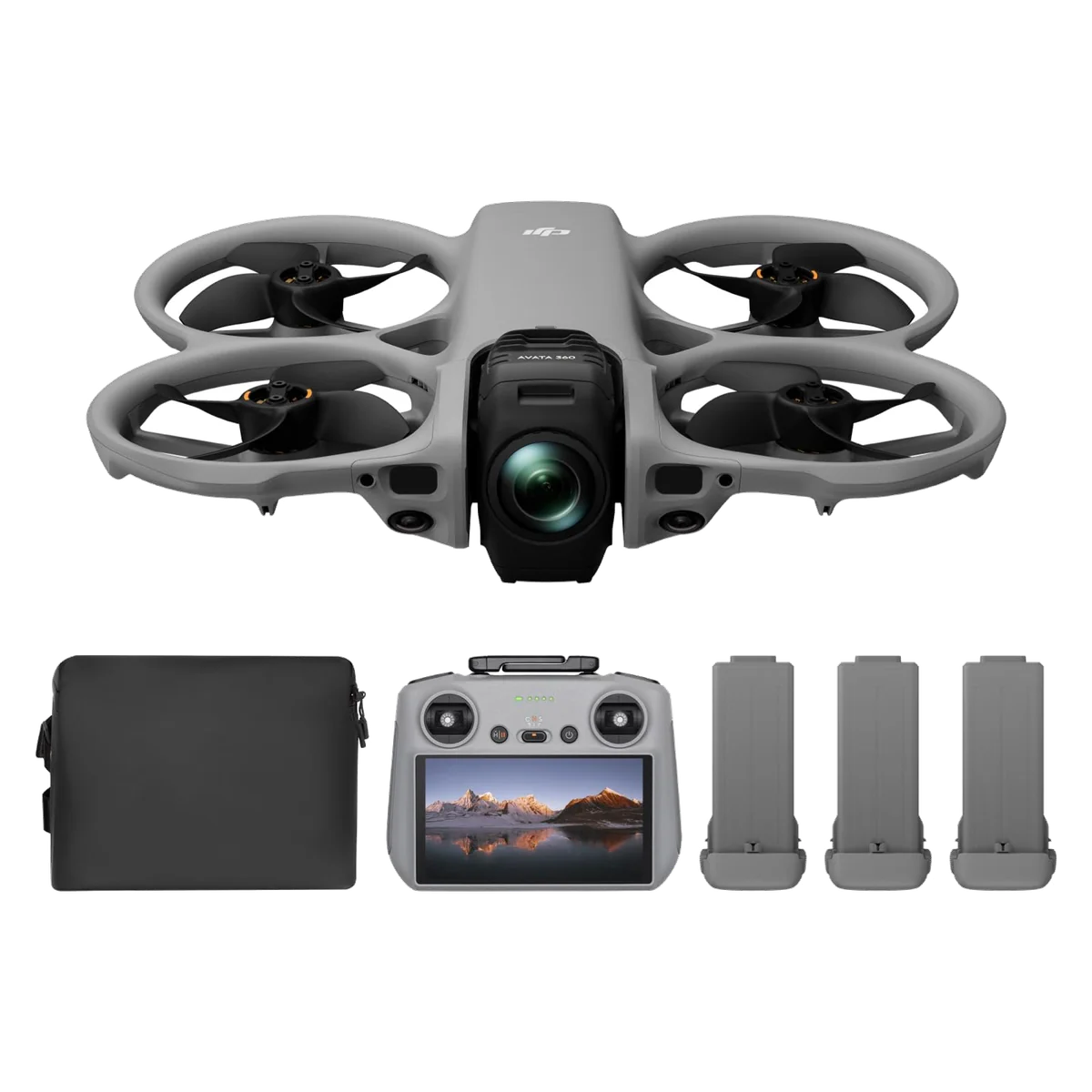
Capturing a whole sphere and choosing where the camera was pointing after you land means you come home with the angle you did not have the nerve, the time or the reflexes to fly, which is a guarantee no single-lens drone can sell you.
This configuration cannot fly in goggles at all, because the RC 2 will not pair with them, and any normal-looking crop out of that 8K sphere resolves nearer 2.5K than to anything the headline number implies.
It is on this page because buyers keep arriving at it expecting an Avata 2 with a better camera, and the people who follow DJI closely spent its run-up warning that exactly that assumption would end in disappointment. They were right. There is no true manual mode here, only an assisted acro where the aircraft performs the trick rather than you flying it, and some of the most spectacular footage circulating is a virtual camera rotating in post over straight and level flight.
What it does instead is real and worth money to the right person. The ducted body shrugs off contact that would end a folding drone, including a branch strike the sensing missed during a tracking test, and the RC 2 means you fly it alone, line of sight, with nobody standing next to you. Measured flight came in at about nineteen minutes with the camera running, which is unusually close to the rated figure. Set against that: the listing's twenty kilometres is a laboratory best case, and an open-field test saw the link warn at roughly 3,700 metres and drop at 3,970 into automatic return to home.
The toll nobody budgets for is the edit. Every clip passes through DJI's own software before it becomes footage an ordinary editor can open, files are enormous, and you need a computer that can cope. If you are still deciding whether that trade suits you, what 360 capture actually buys you is the argument in full, and the clearest published advice on the fork between these two is blunt: take the Avata 2 for a simple workflow and footage you can use immediately, take the 360 if you enjoy editing and want maximum control afterwards. We put them head to head separately, and each has its own full review.
| Avata 2 Fly More | Avata 360 Fly More (RC 2) | |
|---|---|---|
| How you see | Goggles, in the box | Screen on the controller |
| Goggles possible later | Already there | Needs a headset and a motion or FPV controller |
| True manual flight | Only with the separate stick controller | No manual mode at all |
| Realistic minutes per pack | About fifteen | About nineteen |
| Registration | 377 g, over the line | Around 455 g, over the line |
| Spotter needed | Yes, whenever you wear the goggles | No, you fly it line of sight |
How this shortlist was drawn
Quadcopter Bench has not flown either aircraft, and nothing above is presented as our own measurement. This page is assembled from the published record: retained owner reviews, the listings including the footnotes most people scroll past, hands-on accounts by named reviewers including an FPV builder of more than a decade who bought his own unit, and measurements other people took and published, such as the range test that ended just under four kilometres.
Where the record argued with itself we went with whoever showed their working. On battery life that meant preferring the owner who published a timed discharge log to the ones who gave impressions. On obstacle avoidance it meant discounting a five-star review that credits the Avata 2 with dodging obstacles at full speed, because the aircraft has no forward sensors and believing otherwise will cost you a drone; what these systems catch and what they sail through is its own subject.
One pattern is worth naming. Across the Avata 2's retained reviews, twelve are five stars and one is four, and the four-star review is the only one that ran a stopwatch, logged a discharge curve, compared the aircraft with its predecessor and named specific faults. That is the usual shape of consumer feedback rather than a vote: praise is broad, criticism concentrates in the one person who looked hard, and this page leans on that person for the faults and on everyone else for texture.
The rules of goggle flight that are not printed on the box
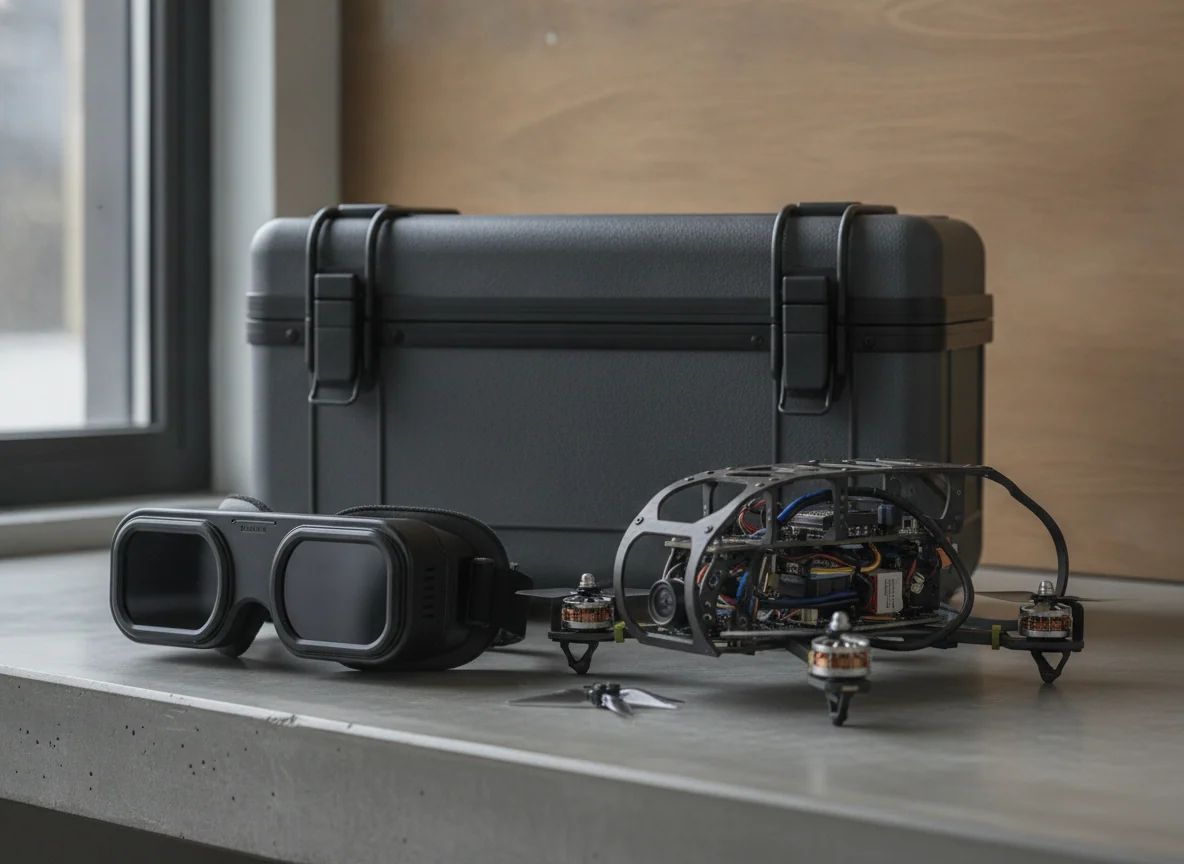
The one that catches people hardest is the spotter. You are not permitted to fly in goggles without a visual observer standing beside you, which turns a solo trip to the park into a two-person arrangement, and reviewers list it as a genuine con of the aircraft rather than a footnote. Neither of these drones has a sub-250 gram escape hatch either, so registration and Remote ID apply and there is no argument to have about it.
The cheapest insurance is time in a simulator. The stick controller works with the common FPV sims, experienced pilots routinely suggest hours in one before a real aircraft leaves the ground, and it costs a fraction of a broken airframe; if you have never flown anything, start there and not in a field. The next cheapest is deciding in advance what you will do when you break it, which in 2026 is a harder question for American buyers than it used to be, because the accidental-damage cover that made this hobby financially sane is no longer sold there and the substitutes are not the same product. This is the category where that change bites hardest, since crashing here is not a failure mode, it is the learning process.
Two checks before you commit. Look at who is actually selling: this exact Avata 2 listing has attracted third-party offers far below everyone else, and one of them ran for weeks while an owners' community argued about whether it was a pricing error being honoured, until the tracking numbers never moved and the thread ended in refunds. And look at where the regulatory story stands on the day you buy, because the FCC's covered list has been in motion, the position has been that previously approved aircraft remain legal to buy and fly, and reviewers still list the Avata 2 among the drones available to American pilots. We keep a running account of that rather than freezing it into a sentence here.
Finally, do not buy a goggle drone to do a camera drone's job. Neither of these tracks a subject down a trail, which trips up buyers who assume every DJI does; one well-informed enthusiast wrote a long comparison of DJI's follow-me aircraft with the Avata included, then struck every mention of it once he realised he had simply assumed. If a drone that chases you is the requirement, the aircraft built for that are elsewhere, and if what you want is a clean establishing shot you can hand a client, the Air 3S or the Mavic 4 Pro will produce it with a fraction of the drama.
Frequently Asked Questions
Which of these is the actual goggles drone?
The Avata 2 Fly More Combo, because it ships the headset and the motion controller together, while the Avata 360 sold here comes with a screen controller instead.
Can I add goggles to the Avata 360 later?
Not by buying a headset alone, since the RC 2 cannot pair with goggles, so goggle flight also means buying a motion or FPV controller; our page on what the RC 2 does and does not work with covers the rest of the compatibility question.
Is the Avata 360 the replacement for the Avata 2?
No, it is a 360 camera drone wearing the Avata name, and it neither flies like one nor is meant to.
Do either of them fly in proper manual mode out of the box?
Neither does, because the Avata 2 needs the separately sold stick controller for rate mode and the Avata 360 has no true manual mode at any price.
Can I fly in goggles on my own?
No, goggle flight requires a visual observer standing with you, which is the single operational burden camera drone buyers never encounter.
Is there a cheap way to find out whether I like FPV?
A simulator and a stick controller costs a fraction of an airframe and is the honest first step, though if you want a cheap DJI to try instead, the Neo 2 is a taste rather than a substitute and is weak at manual flight.
Can I wear my glasses under the goggles?
For most prescriptions you will not need to, because the goggles carry dioptre adjustment and corrective lenses come in the box, so ruling FPV out on that basis alone is usually a mistake.
Should this be my only drone?
Only if flight is what you want from it, because most people who own a goggle drone and a camera drone keep both, and they keep both because the two do genuinely different jobs.
Our Top Pick
The DJI Avata 2 is our #1 recommendation.
Check Price on Amazon: DJI Avata 2Sources (5)
- Amazon listings and customer reviews
- Owner reports across r/drones, r/fpv, r/dji and 4 more threads
- Oscarliang — Article — oscarliang.com
- Digitalcameraworld — Article — www.digitalcameraworld.com
- Pcmag — Article — www.pcmag.com