Potensic Atom 2 vs DJI Mini 4K: one is more drone, the other is more sense, and neither can see a tree
Buy the DJI Mini 4K unless you specifically need the drone to keep a moving subject in frame or to fly without a phone attached, in which case the Atom 2 with the PTD 1 is worth it only well below its list, because the extra money buys you nothing that watches where it is going.
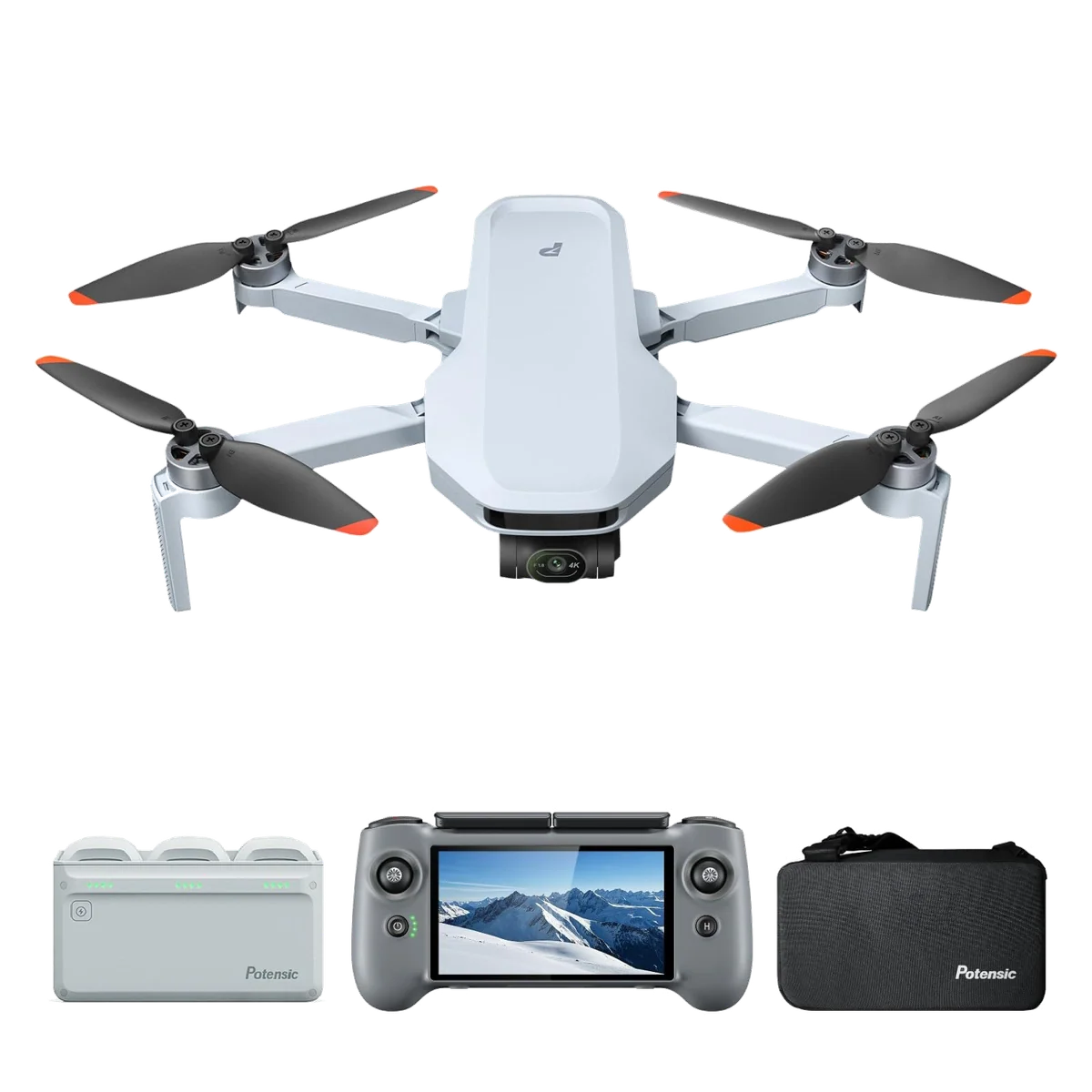
Potensic Atom 2
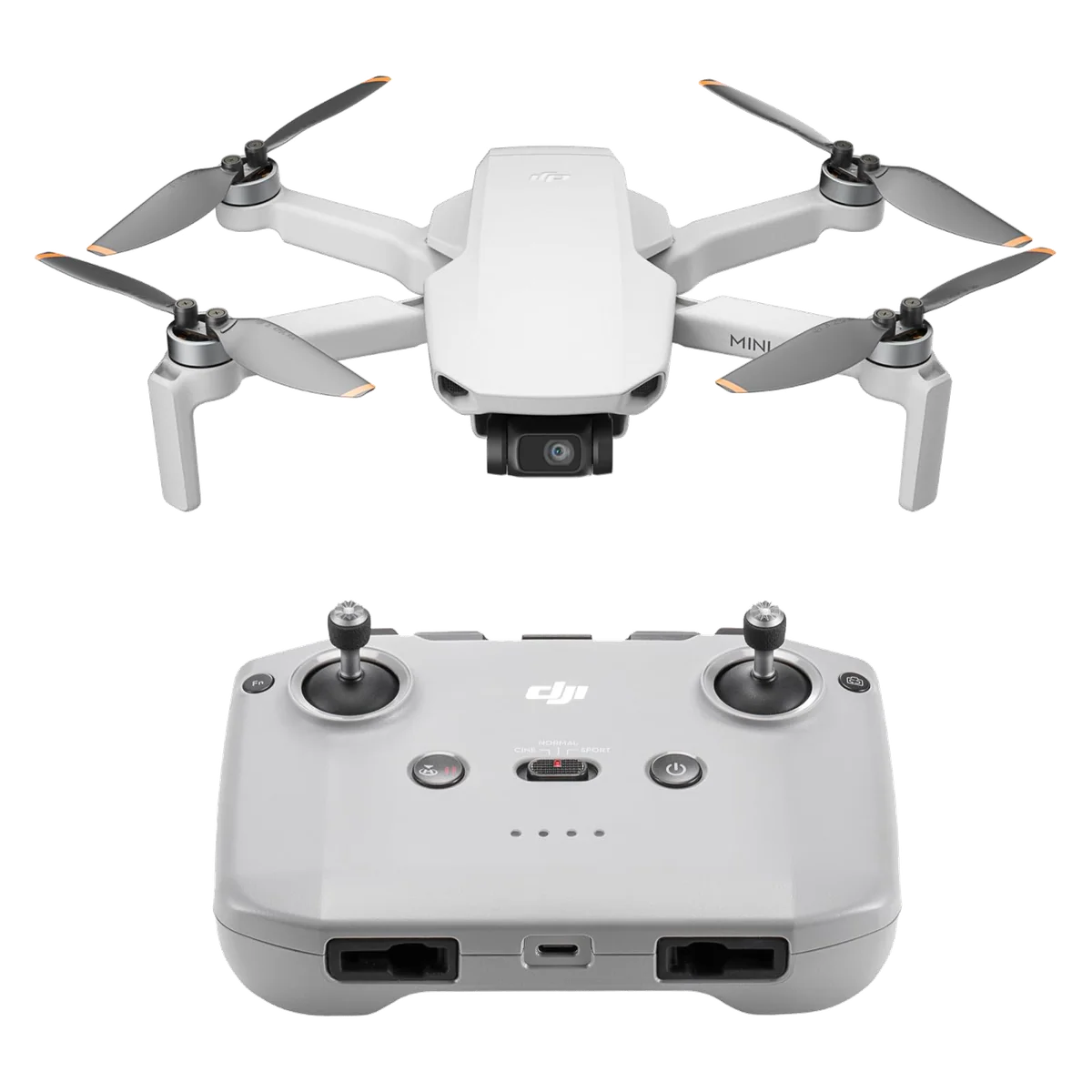
DJI Mini 4K
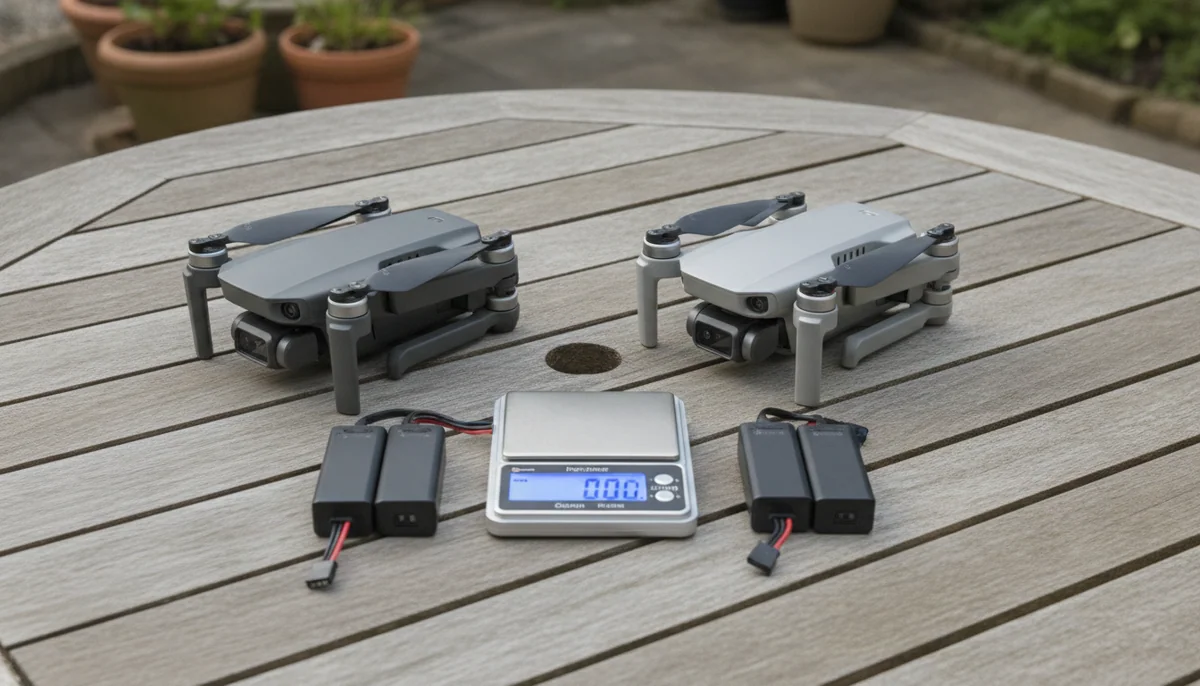
These two drones get shelved together because they weigh the same and both say 4K on the box, which is close to the end of what they have in common. One is DJI's cheapest way into a real aircraft. The other is a fully loaded combo from the brand that spent two years undercutting DJI on features rather than on price, and it asks for a great deal more money in this configuration. Put them side by side on paper and the Potensic wins most of the rows. Put them side by side on the question a first-time buyer is actually asking, which is what happens to my money if this goes wrong, and the answer flips.
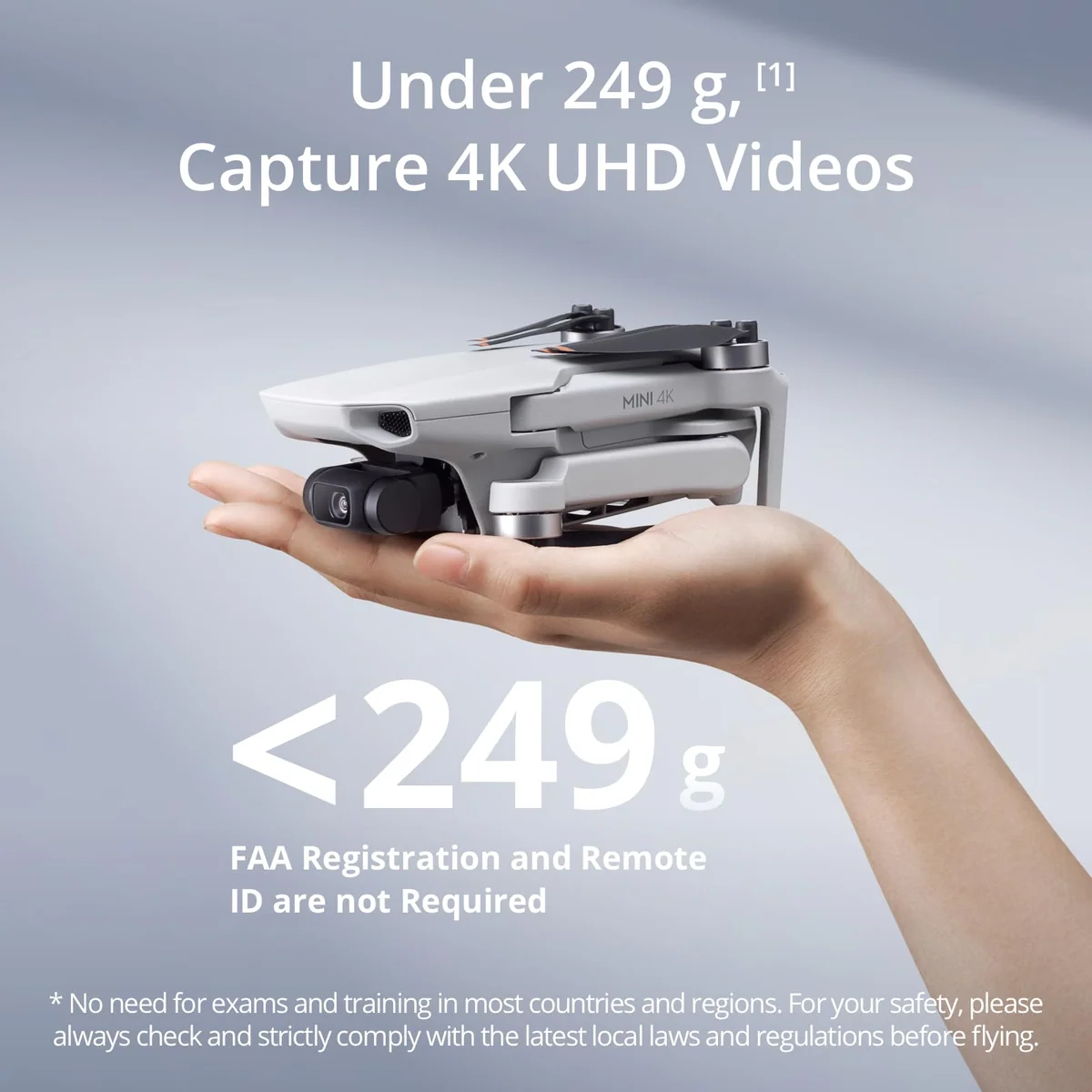
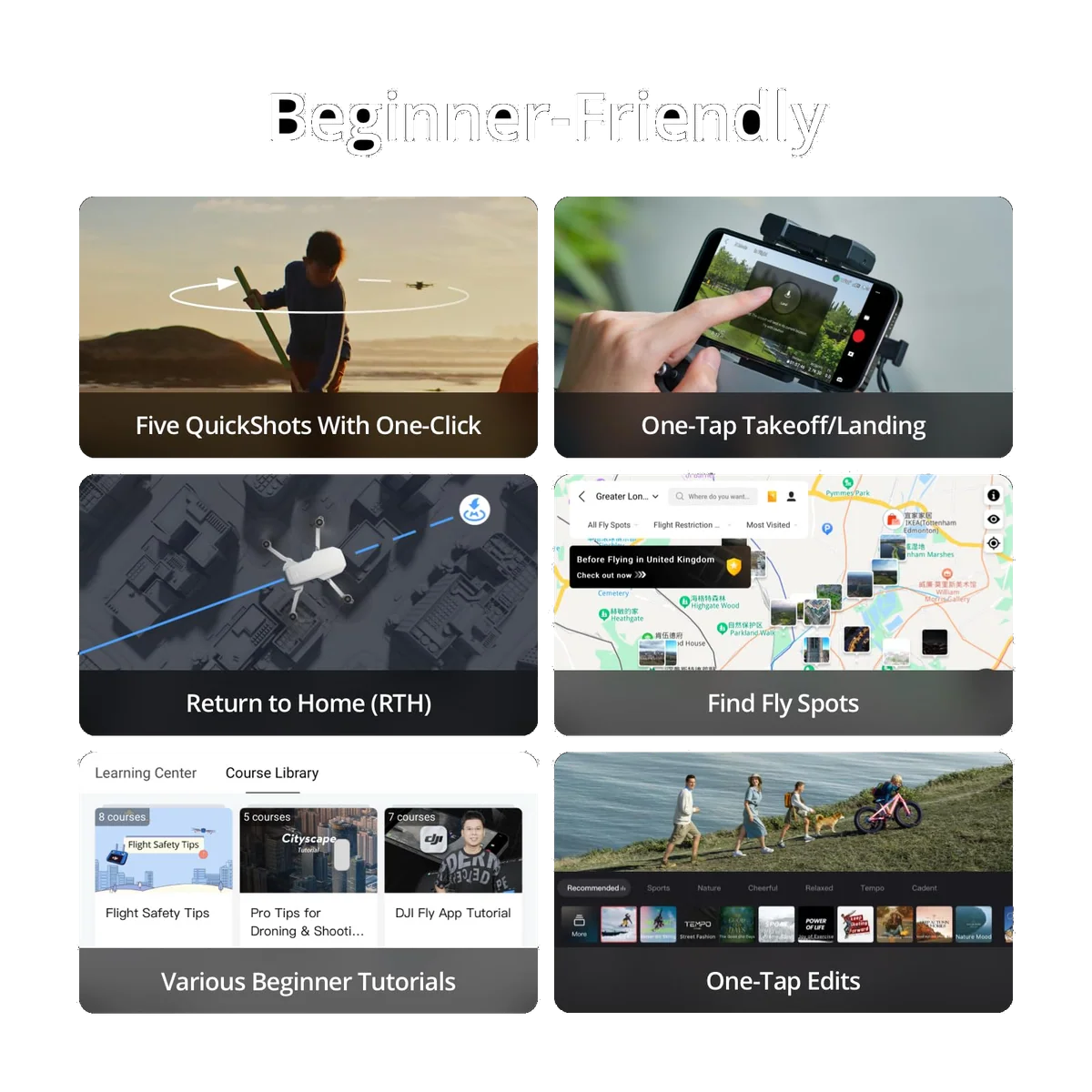
Start with what the Mini 4K really is, because it explains everything about how it behaves. It is the 2020 Mini 2 airframe with a better camera on the front, sold at a price the original never saw. The cynical reading is that DJI renumbered old stock. The generous reading, which owners make just as often, is that a very good five-year-old drone finally became affordable to the people who never got one. Both descriptions fit the same object, and the practical consequence is the same either way: the flight envelope has been debugged by an enormous installed base, the propellers and batteries and arms are shared with that base, and the drone does the boring thing you want an aircraft to do. Beginners with no stick time describe first flights with no drift and no crashes, and return to home bringing the drone back to within inches of where it left.
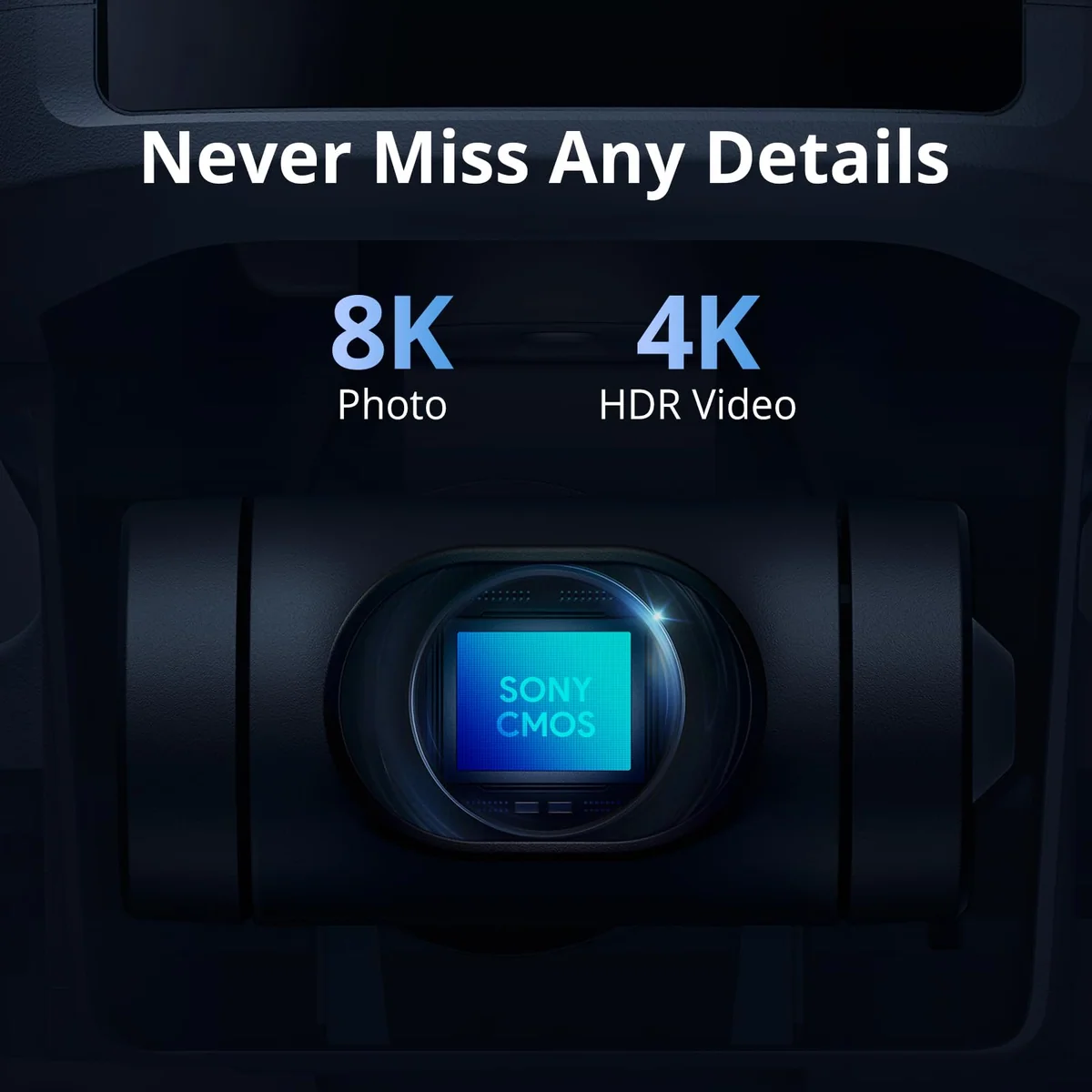
The Atom 2 in this combo is the opposite proposition: a machine that is trying to give you everything. A 1/2-inch Sony sensor behind an f/1.8 lens, 4K HDR through a three-axis gimbal that tilts slightly above the horizon, subject tracking in three modes, vertical shooting, three batteries with a hub that fills all of them in about an hour and twenty, and the PTD 1, a controller with its own 5.5-inch screen so you never unfold a phone. Every one of those is real, and the Mini 4K has none of them. The deductions are real too, and Potensic prints none of them: 4K is locked to 30fps, the 48MP stills that the listing calls 8K are JPEG only with heavy sharpening applied, raw stops at 12MP, and there is no live histogram anywhere.
Take the Mini 4K if
- This is your first drone and you want to find out whether you enjoy flying before committing real money.
- You fly in open ground and want the aircraft with the deepest parts bin behind it.
- You want the more polished app and the shorter distance between opening the box and being airborne.
Take the Atom 2 combo if
- You want the drone to hold a moving subject in frame, which the Mini 4K cannot do in any mode at any price.
- You are tired of flying off a phone and want a screen, a set of sticks and nothing else.
- You found it substantially below its asking range, because that discount is most of the argument.
Potensic Atom 2
DJI Mini 4K
At a Glance
| Feature | Potensic Atom 2 | Editor's Pick DJI Mini 4K |
|---|---|---|
| Price Range | $500–$1,000 | $200–$500 |
| Finish | Gray | Gray |
| Configuration | ATOM 2 (RC with Three Batteries) | — |
| Check Price on Amazon | Check Price on Amazon |
Where the extra money actually goes
Three things separate these drones in practice, and only one of them is the camera. Quadcopter Bench has flown neither aircraft, so everything below is drawn from the measured tests, the manufacturers' own figures and what owners of each have written; where the record disagrees with itself, that is said rather than smoothed over.
| What you want | Which one | Why |
|---|---|---|
| A drone that films you moving | Atom 2 | Spotlight, Follow and Parallel all work; the Mini 4K has QuickShots and no tracking of any kind. |
| A first aircraft you will probably damage | Mini 4K | Shared spares with one of the largest fleets DJI ever built, and far less money on the table. |
| To leave your phone in your pocket | Atom 2 | The PTD 1 powers on and flies; the DJI ships a phone cradle. |
| A full day out without a charging break | Atom 2 | Three packs and a parallel hub in the box against the Mini 4K's cheapest kit, which carries one. |
| Usable footage after dark | Neither, honestly | The Atom 2 has the bigger sensor and brighter lens, but its night mode is oversold and the Mini 4K's small sensor gives out early. |
| 4K at 60fps, or anything to avoid a branch | Neither | Both cap 4K at 30fps and both are blind forward and sideways. |
The camera gap is real and smaller than it reads
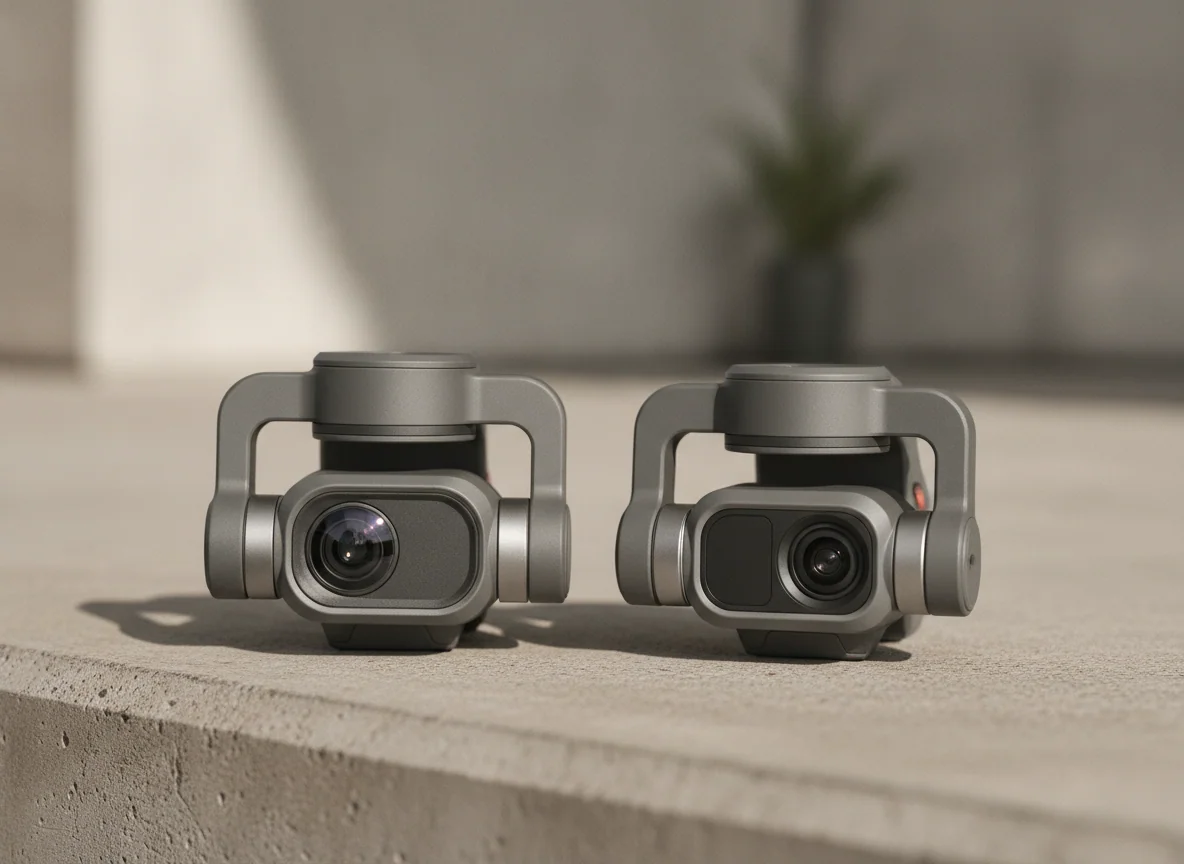
The Atom 2 has the better imaging hardware and it shows, mostly in video: consistent, clean, HDR at 4K, a high bitrate, and a flat P-Log profile that is genuinely unusual at this end of the market. The Mini 4K has the smallest sensor in the Mini family and the darkest lens of the set, which predicts precisely where it fails: dusk, deep shade, and any file you intend to push hard in a grade. In flat daylight, on default settings, the two are closer than the numbers suggest, and reviewers running them against each other keep landing in the same place: the Potensic has the more capable camera and the DJI has the more polished result out of the box.
Where the Atom 2 pulls decisively ahead is the creative set rather than the sensor. Vertical shooting, dolly zoom, cine roll, panoramas, bracketing at three or five frames, full manual exposure and fast transfer to a phone are all present, and DJI simply does not offer them at this level. One head-to-head summed the Atom 2 as most of a much more expensive drone's feature list for a fraction of the money, and gave Potensic credit for pushing at a segment DJI had stopped defending. That is a fair reading of the feature sheet. It is not a reading of what the files look like when you open them.
Tracking is the genuine difference, and it has fine print
If you came here because you want a drone that follows you, stop comparing: the Mini 4K does not do it, no firmware will make it do it, and it is the single most common regret among people who bought one expecting otherwise. The Atom 2 does, and does it well enough that you can drag a box around a person, a boat or a car and watch it hold.
Then the fine print. An owner who bought the drone specifically for tracking found that the camera has to sit roughly between 25 and 75 degrees of tilt before tracking will engage, which quietly rules out a large slice of the shots people picture when they buy a tracking drone, and Follow refuses to start at all if the aircraft is flying too low. If tracking is the whole reason you are shopping, neither of these is the right answer and the DJI Neo 2 or the field in our follow-me roundup will serve you better.
The blind spot they share, which the price gap hides
Here is the thing that ought to reframe this whole comparison. Buyers reasonably assume the more expensive, more featured drone is the safer one. It is not. Neither aircraft has forward, side or upward obstacle sensing, and on the Atom 2 the downward vision system is nominal enough that a reviewer flying low over uneven ground could not detect it doing anything at all.
That absence lands differently on each drone, and worse on the Potensic. The Mini 4K asks you to fly it yourself and never pretends to be watching, which is a coherent bargain in open country. The Atom 2 sells you a mode whose entire purpose is to send the aircraft chasing a moving subject while nothing on board looks at what the subject is running past. Both drones will fly into a tree with total commitment, and if that is the risk you are trying to buy out of, the money is better spent on a DJI Flip, which has forward sensors and propeller guards, or read what avoidance actually catches and what it flies straight through before deciding it matters to you at all.
Numbers on the box, and what survives contact with air
Both boxes are optimistic in the same way, so the comparison between them is fairer than either claim taken alone. DJI's 31 minutes comes from a windless laboratory, flying forward at a constant speed, in photo mode, taking no photographs, run flat. Owners get roughly 20 to 28. Potensic's 96 minutes is three batteries multiplied by an optimistic 32; measured, a pack runs about 22 minutes to the low-battery prompt, and an owner flying the combo describes sessions of an hour to seventy minutes across all three. That is the honest way to read the flight-time row: not 96 against 31, but three packs against one, which is a bundling difference rather than an engineering one and is its own decision. The general version of this arithmetic lives in our piece on why the box figure is several flights added together.
The transmission figures, 10km on both, describe radios in clean air and are irrelevant to any flight you will legally plan. Wind resistance is the same level 5 rating on both, and reviewers flying them together saw no meaningful separation. The Atom 2 is faster, at just under 36mph in sport, with the catch that it drops out of sport into normal below 30% battery and crawls home at about 17mph, which is a long, anxious few minutes if you are a couple of miles out.
What owning each one is like after the first month
The Potensic Eve app is the weak component of the Atom 2 package, with small white telemetry at the top of the screen that vanishes against bright sky, a battery percentage in red you cannot read in sun, and a signal bar that turns orange within a few hundred feet even when the link is fine. Set against that, Potensic's handling of individual problems is the best-documented thing about the brand: an owner who snapped an arm and wrecked the gimbal through his own error was sent a replacement drone. Firmware cuts both ways just as hard. Waypoints and P-Log both arrived after launch, waypoints after the company had publicly denied ever promising them, while a firmware update to the previous-generation Atom degraded its range and was never reversed.
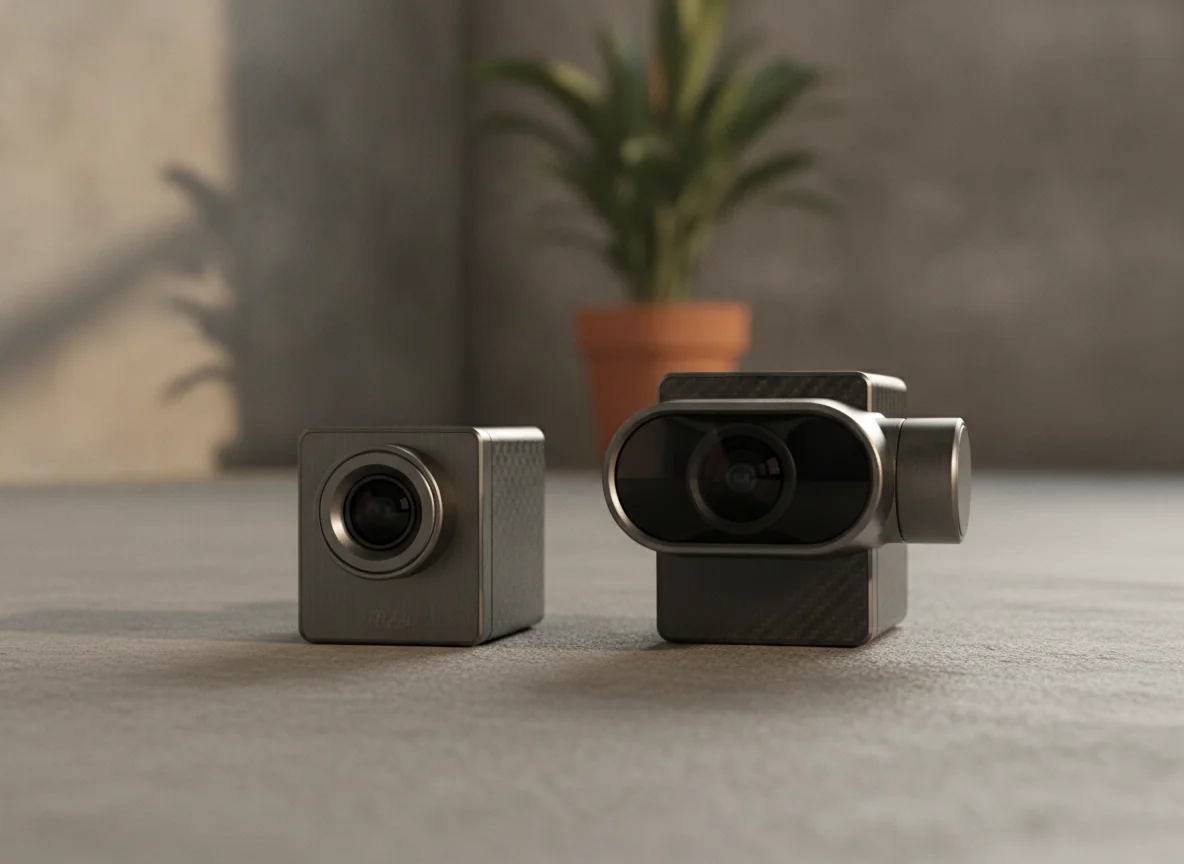
The Mini 4K's ownership story is duller and that is its strength. Its parts are shared with the Mini SE, Mini 2 and Mini 2 SE, so the things that break on it, propellers and shells, are cheap and everywhere. Its irritations are front-loaded rather than ongoing: DJI Fly has been pulled from Google Play, so Android buyers download it from DJI's website and sideload it before the drone will activate at all, and DJI says so twice on its own listing, which tells you how often that has come back as a complaint. The larger open question is not this drone but the company, since new DJI hardware is not being approved for the US and Care Refresh has gone from the American market, which we keep track of in our running answer on buying and flying DJI in the US.
One asymmetry worth knowing before you buy the Potensic: neither drone includes a memory card, but a slow card will actually stop the Atom 2 recording, throwing an on-screen warning and forcing you down from 4K to 2.7K. Budget for a fast, reputable card as part of the purchase rather than as an accessory.
Finally, succession. Potensic has already launched the Atom 3 with a larger sensor, higher frame rates and a brighter controller, which makes this Atom 2 the previous generation, and the PTD 1 screen controller works with the Atom 2 and nothing else, including that successor. The Mini 4K has been the previous generation since the day it launched, which is the point of it. Only one of these two drones is at risk of feeling suddenly old, and it is the expensive one; we work that through at Atom 2 vs Atom 3.

Potensic Atom 2
DJI Mini 4K
Which one is yours
Almost everyone arriving at this comparison is buying a first or second drone, wants to fly in open ground, and is weighing a large price gap against a longer feature list. For that reader the Mini 4K is the buy, and the reason is not that it is better. It is that the features you are paying the Potensic premium for are tracking you may not use in the angles you imagined, a screen you may not need, and batteries you can add later, while the thing the price gap does not buy you is any margin for error at all. If the discount on the Atom 2 is deep, the calculation changes completely and it becomes one of the most complete things you can carry under the registration weight.
If neither answer sits right, two others on this site probably do. The DJI Mini 3 brings a bigger sensor, longer flight time and an open SDK, and when it is discounted the gap to the Mini 4K has been observed to close to nothing, which we set out in the direct comparison. And if you want tracking with something actually watching for obstacles, the Flip is the sensible spend. The wider field is in our roundup of camera drones under 249g.
The one to take if you need the drone to follow something, and only at a real discount
It hovers without drift, films better than its class suggests, and hands you subject tracking, vertical shooting, three batteries, a charging hub and a controller with its own screen, none of which the Mini 4K offers at any price.
Nothing on board looks forward or sideways, which is an odd thing to leave out of a drone whose headline feature exists to send it chasing a moving subject.
The default answer for a first drone, and the one most people asking this question should buy
It is the cheapest way into an airframe that has been debugged since 2020, with spares everywhere, a mechanical gimbal that holds the horizon while the aircraft works in a breeze, and a return to home that beginners routinely watch bring the drone back to the takeoff point.
It will not track you, it cannot see anything, its small sensor gives out in low light, and Android owners must sideload DJI Fly from DJI's website before the drone will even activate.
Whichever way you go, the shared conclusion is the one to carry out of here: you are buying a drone that flies well and sees nothing, so pick your first few flying sites accordingly. Our shortlist of drones to learn on and our guide to learning without wrecking it are the next two things worth reading. The long-form verdicts on each aircraft are at our Atom 2 review and our Mini 4K review.
Frequently Asked Questions
Does either drone have obstacle avoidance?
No, neither has forward, side or upward sensors, and the Atom 2's downward vision system is nominal enough that a reviewer flying low over uneven ground could not detect it doing anything.
Will the DJI Mini 4K follow me while I ride or ski?
No, it has QuickShots and nothing else, so of these two only the Atom 2 will hold a moving subject, and a drone built for the job will do it better than either.
Which one takes the better picture?
The Atom 2 has the larger sensor and the brighter lens and wins on paper, but its biggest stills are JPEG only with heavy sharpening, its raw files stop at 12MP, and in flat daylight the gap is smaller than the specifications imply.
How long does each really fly on one battery?
Plan on roughly 20 to 25 minutes for either aircraft rather than the numbers printed on the boxes, with the real difference being that the Atom 2 combo hands you three packs and a hub while the cheapest Mini 4K kit hands you one.
Is the Atom 2's screen controller worth flying without a phone?
If you fly in bright sun or resent cables it earns its keep, but at 700 nits the screen is only mid-pack and Potensic states it works with the Atom 2 and nothing else, including the Atom 3.
Which is quicker to get into the air on day one?
The Atom 2 if you are on Android, because DJI Fly has been pulled from Google Play and the Mini 4K cannot be activated until you sideload it, but the Mini 4K if you are on an iPhone and want the more polished app.
Do I have to register either of them?
Both sit at or under 249g, which keeps recreational flying in the US clear of registration and Remote ID, though paid work needs certification regardless of weight and most other countries register the operator anyway.
Is Potensic as good as DJI now?
On features at this price it has genuinely caught up and in places passed DJI, but on app polish, firmware discipline and the certainty that today's parts will still exist next year it has not, which is the argument we work through in full separately.
Ready to Choose?
Sources (6)
- Amazon listings and customer reviews — Potensic Atom 2 and Dji Mini 4k
- Owner reports across r/dji, r/drones, r/Potensic threads
- Owner and reviewer video, 4 channels
- Bhphotovideo — Article — www.bhphotovideo.com
- Mavicpilots — Article — mavicpilots.com
- Techradar — Article — www.techradar.com