The DJI Neo is the better buy, and the HOVERAir X1 is the better follow camera
Buy the DJI Neo, unless you are a solo hiker, trail runner or traveller who wants vertical clips out of something that needs no phone and no thought at all, in which case the HOVERAir X1's steadier follow lock earns its higher price and its total absence of a return to home.
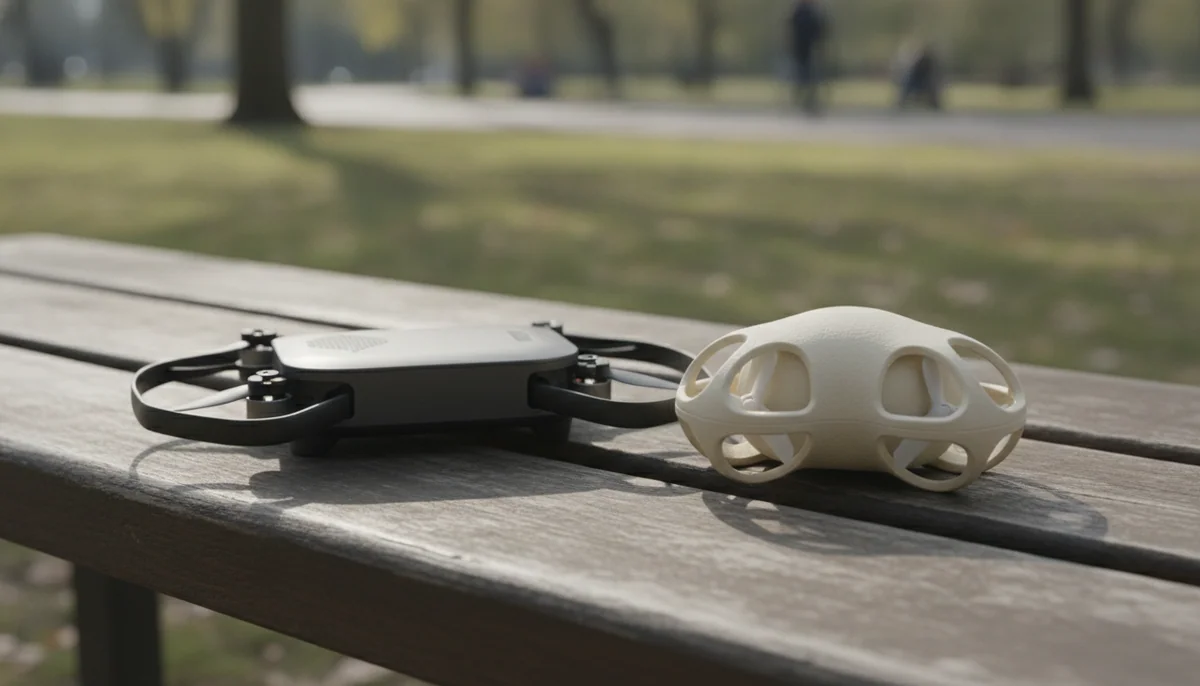
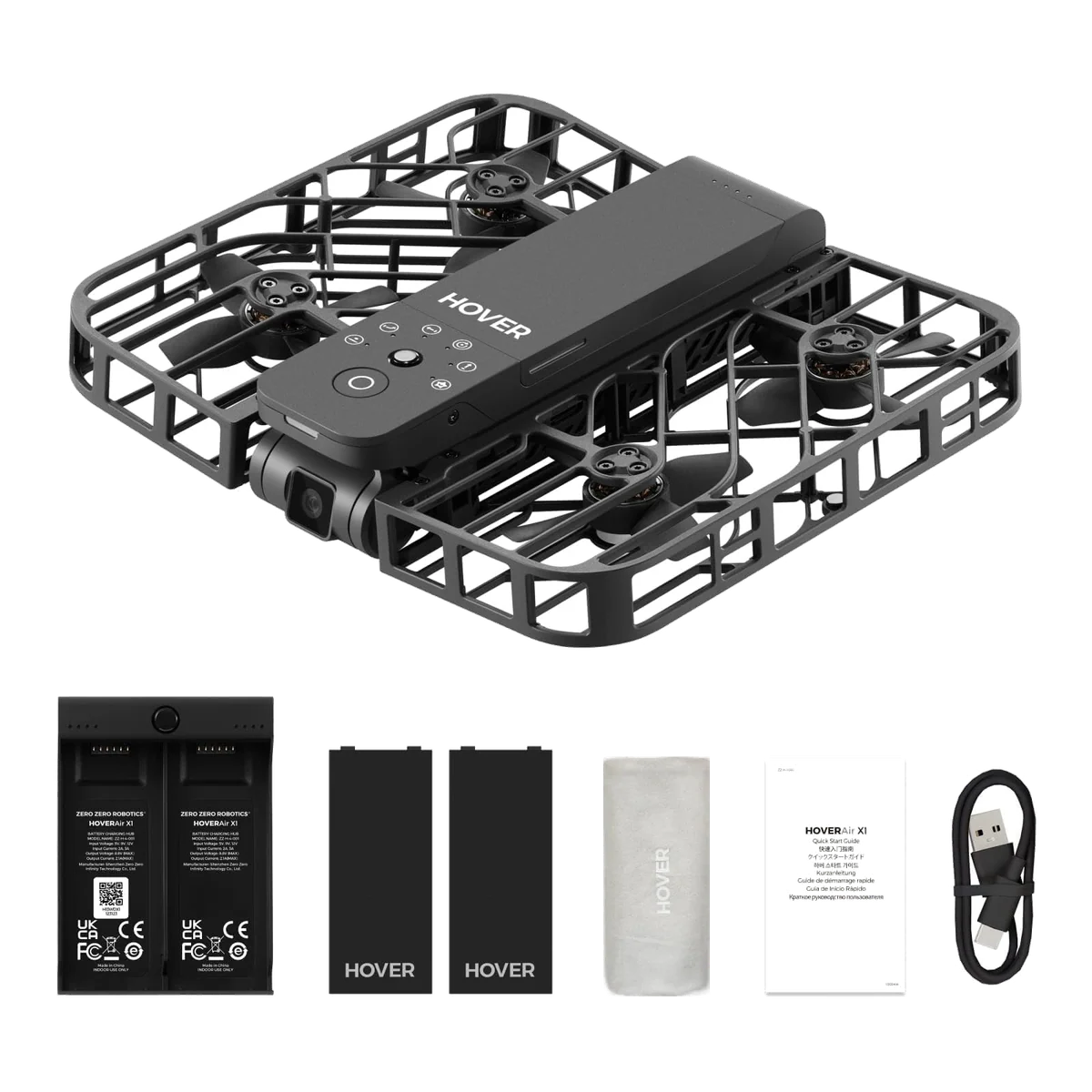
HOVERAir X1
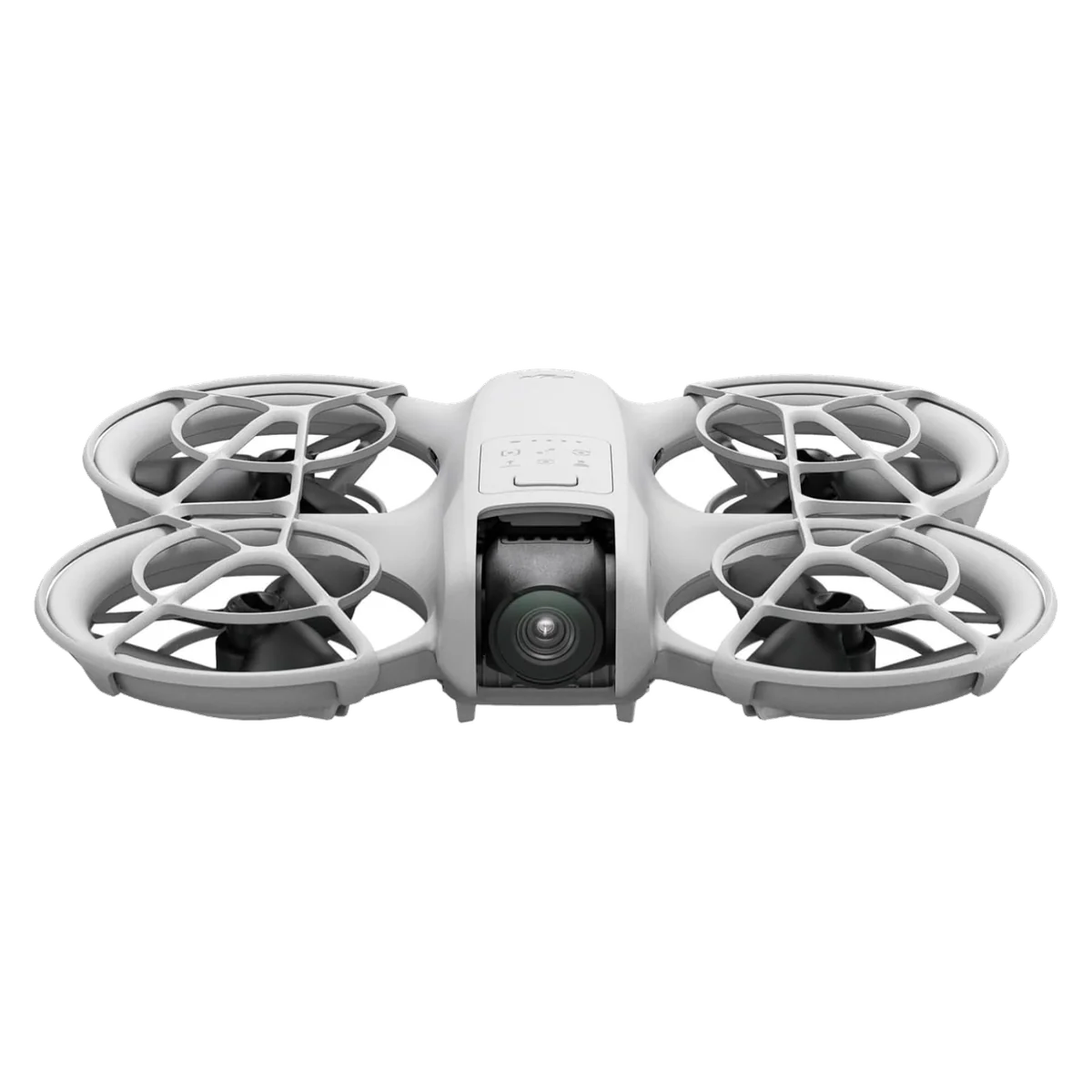
DJI Neo
These two products look like the same idea because they are. Both weigh less than a large phone, both hide their propellers inside a cage so you can grab them out of the air without losing a finger, both take off from your open hand at the press of a button, and both exist because the alternative was skipping the shot. Nobody unpacks a folding drone, wakes a controller and waits for satellites in order to get eight seconds of themselves walking down a trail. That is the friction both of these were built to delete, and both genuinely delete it.
The spec sheets will not tell you which to buy, because on the numbers that get printed they are nearly the same drone. One mechanical gimbal axis each, with the rest done electronically. Fixed internal storage and no card slot on both, 32GB on the X1 and 22GB on the Neo. Downward vision sensing on both and forward-facing obstacle sensing on neither, whatever the Neo's listing means when it invites you to dip and dive through tree branches without worry. Sub-250g on both, which is the whole reason either exists in its current form.
The difference is what each one becomes after the first fortnight. The Neo is four aircraft in one shell: a palm-launch selfie camera with nothing attached, a phone-flown drone with virtual sticks, a proper small drone with real range once you add an RC-N3, and a cheap cage-protected FPV trainer if you put goggles on it. The X1 is one aircraft that does one job. It flies the route you flew rather than a straight line at you, which is why its lock survives wooded trails, and once it is set up it never asks you for a phone again because it announces its own mode out loud.
Now the drawbacks, both of which are load-bearing. The X1 has no GPS and no return to home at all, so when it loses you or meets wind it cannot beat, it lands on the spot, and HoverAir's own FAQ rules out water, cliffs and featureless ground for exactly that reason. The Neo's problem is quieter and comes later: flown the way it is advertised, from a phone with nothing else in your hands, owners describe usable range collapsing to roughly a city block, and it broadcasts no Remote ID, which puts it outside US commercial rules the moment anyone pays you for the footage. Quadcopter Bench has flown neither of these; what follows is our reading of the two full public records, set against each other.

HOVERAir X1
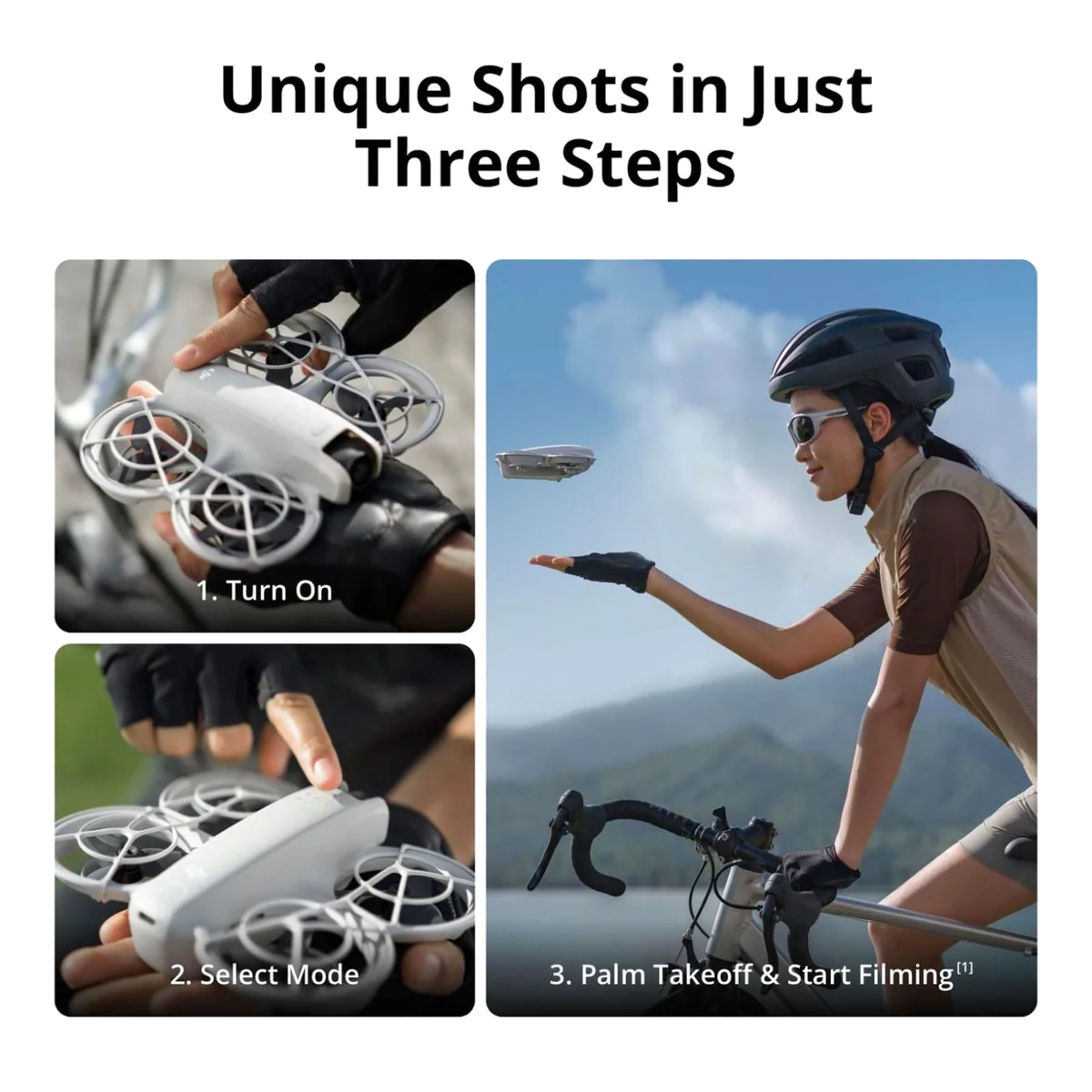
DJI Neo
At a Glance
| Feature | HOVERAir X1 | Editor's Pick DJI Neo |
|---|---|---|
| Price Range | $200–$500 | Under $200 |
| Finish | Black | gray |
| Configuration | Combo Plus | — |
| Check Price on Amazon | Check Price on Amazon |
The split is cleaner than the marketing makes it look
| HOVERAir X1 | DJI Neo | |
|---|---|---|
| Weight | 125g claimed, 127g on TechGearLab's scale | 135g claimed |
| Video | 2.7K at 30fps, plus 1080p HDR | 4K at 30fps, 12MP JPEG stills, no raw |
| Vertical framing | Yes, and it drops the recording to 1080p | None at all |
| Stabilisation | One mechanical axis plus electronic | One mechanical axis plus electronic |
| Storage | 32GB fixed, no card slot | 22GB fixed, no card slot |
| Claimed flight time | About 11 minutes | 18 minutes |
| What owners report | 10 to 12 minutes | 14 to 15 minutes, nearer 10 if you chain automated shots |
| Tracking speed | 15 mph on the box, around 17.6 mph measured | 12 mph rated |
| Control beyond the body button | A slow manual mode in the phone app | Phone sticks, RC-N3 or RC-N2, or goggles and a motion controller |
| Obstacle sensing | Downward only, for landing | Downward only, for positioning |
| Return to home | None, on any configuration | Yes, with a physical controller |
| Over water | Ruled out by the manufacturer | Downward sensors have nothing to read, and the failure is terminal |
Read that table twice and the shape of the decision appears. The X1 is better at the one thing both are sold for, and the Neo is better at everything that happens either side of it.
Following you is the X1's argument, and it is a good one
The X1 tracks by flying the path you flew, so when you disappear behind a trunk it keeps going along your route rather than trying to cut a line to where it last saw you. That mechanism, rather than any sensor, is why it holds through woodland it has no business surviving. The Neo does something simpler and slower. Its Follow mode is rated at 12 mph, it only works from behind unless you dig Direction Track out of the Custom slot in the app before your first flight, and owners are blunt about it losing the subject on any hard turn or anything faster than a light jog. One buyer who came to the Neo from a HOVERAir Pro Max went the other way on this and said the DJI was the one that never made him walk back down the trail to fetch it, so the record is not unanimous. Note also that most of the enthusiastic X1-beats-Neo comparisons live in a community affiliated with HoverAir and carrying affiliate links, which is worth a raised eyebrow rather than a dismissal.
Neither of these follows a road bike. The X1 gives out somewhere around 17.6 mph and the Neo well before that, and both respond to falling behind by stopping rather than sprinting. The X1 has one further limit that catches people out because it is buried in the manual and has nothing to do with your forward speed: it cannot descend faster than 1.5 m/s, so on any real ski pitch it is left hovering above empty snow while you carry on down. If following you at speed is the entire point of the purchase, start from our shortlist of drones that actually keep up rather than from either of these.
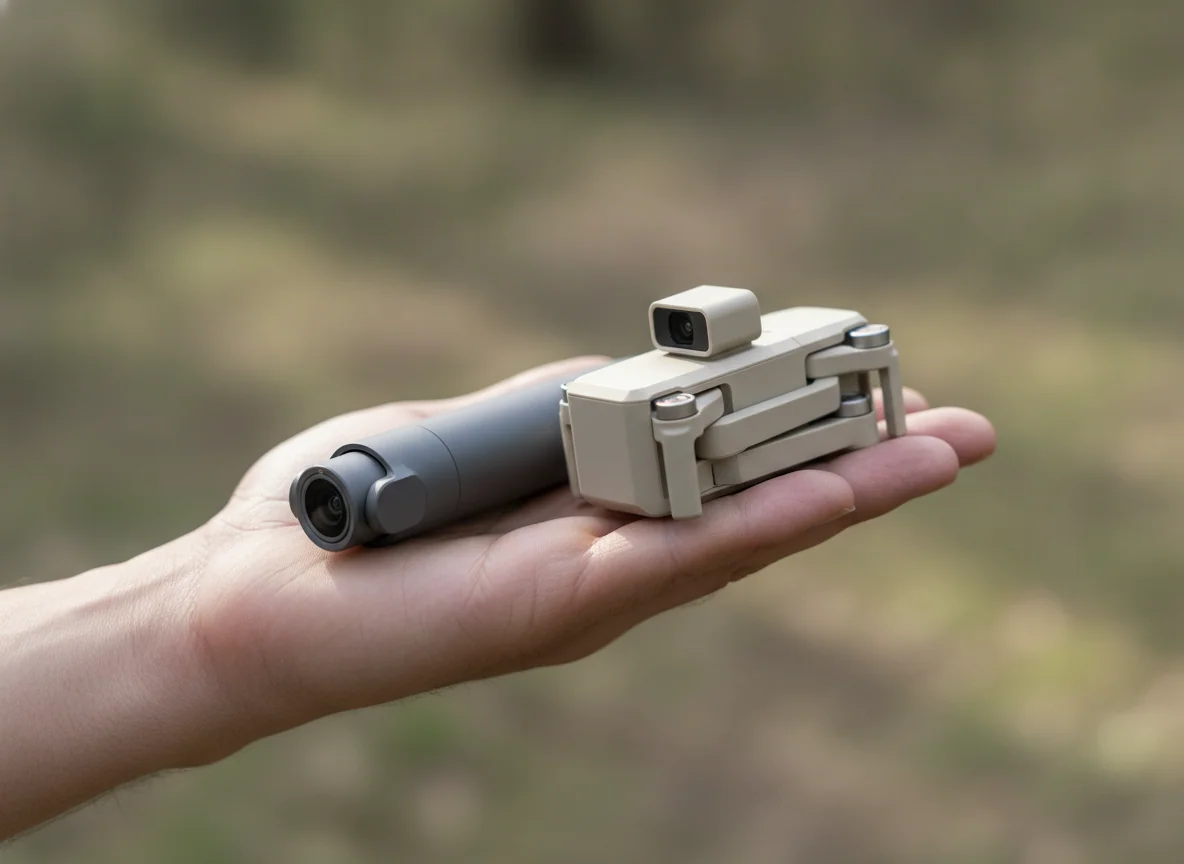
The camera argument goes to the Neo, narrowly and for an unglamorous reason
Neither of these is a camera you would grade. Both put one mechanical axis under the lens and hand the rest to software, which is the compromise our gimbal versus electronic stabilisation explainer exists to explain. TechGearLab scored the X1's image quality 4.5 out of 10, their lowest mark for it, and found a single stabilised axis behind the listing's talk of a triple stabilization system. The Neo attracts the opposite kind of disagreement: some reviewers call the footage surprisingly sharp and smooth for the money, others call the profile overbaked, and both are describing the same 4K file with heavy default sharpening that people who know what they are doing dial back before they fly.
The tiebreaker is not sharpness, it is what you can do with the frame afterwards. The Neo gives you 4K and no vertical mode whatsoever, which on a drone sold explicitly for social clips is the single strangest decision in the product. The X1 gives you vertical natively and charges you for it by dropping to 1080p. So the Neo makes you crop a vertical post out of a horizontal 4K frame, which lands you somewhere near 1080p anyway, and the X1 saves you the edit. Call that even and go by the wider frame: a 4K file has more to give when you change your mind in the timeline.
What happens when it goes wrong
This is where the two stop being interchangeable. The X1 has no GPS, no home point and no return to home in any configuration, and its response to losing you, losing the light or meeting too much wind is to land immediately wherever it is. Owners describe exactly that behaviour, one of them noting that "wherever it is" can mean the bottom of a cliff or the inside of a tree. That is survivable over a meadow and expensive over a lake, which is why HoverAir's own FAQ rules out water, cliffs and terrain without clear ground texture rather than hedging about them.
The Neo can be given a way home, but only if you buy it one. Flown from the phone as the box suggests, owners report the link dropping at short range and the drone simply landing where it stood, and the dedicated return-to-home button is one of the things that lives on the controller you did not buy. Add an RC-N3 or a secondhand RC-N2 and the same airframe becomes something an owner flies confidently across fifteen acres. Our note on whether you need a real controller is the general version of this argument, and the Neo is its clearest case study: controller-free is a genuine mode and a misleading value proposition.
Neither drone sees what is in front of it. The X1's cage is engineered to come apart under impact and click back together, and the most thorough published account of it logged between thirty and forty crashes across 130 flights without killing the aircraft. Neo owners report flying into tree branches with no lasting damage and easy access to replacement parts. Both are tough. Neither is smart, and what avoidance actually catches is a useful corrective if you were counting on the guards to do a sensor's job.
The batteries are the real long-term difference, and it favours DJI
Both of these use small cells that lose charge in a drawer, and both want storing at roughly 60 percent rather than full. The gap is in the consequences. HoverAir's own support desk told an owner that the X1 uses non-smart batteries with no automatic discharge, and that keeping them charged for long stretches contributes to internal gas generation and swelling even when they are barely flown; that owner lost three batteries in two years against a one-year battery warranty. That HoverAir moved to smart batteries on the Pro and Pro Max, and made them deliberately incompatible with this model, tells you what they thought of the arrangement. Neo owners raise the same storage discipline, but as housekeeping rather than as an obituary for three packs. On real endurance the X1 is closer to honest, hitting 10 to 12 minutes against an 11-minute claim, while the Neo's 18 lands nearer 14, which is the ordinary arithmetic we unpick in advertised versus real flight time.
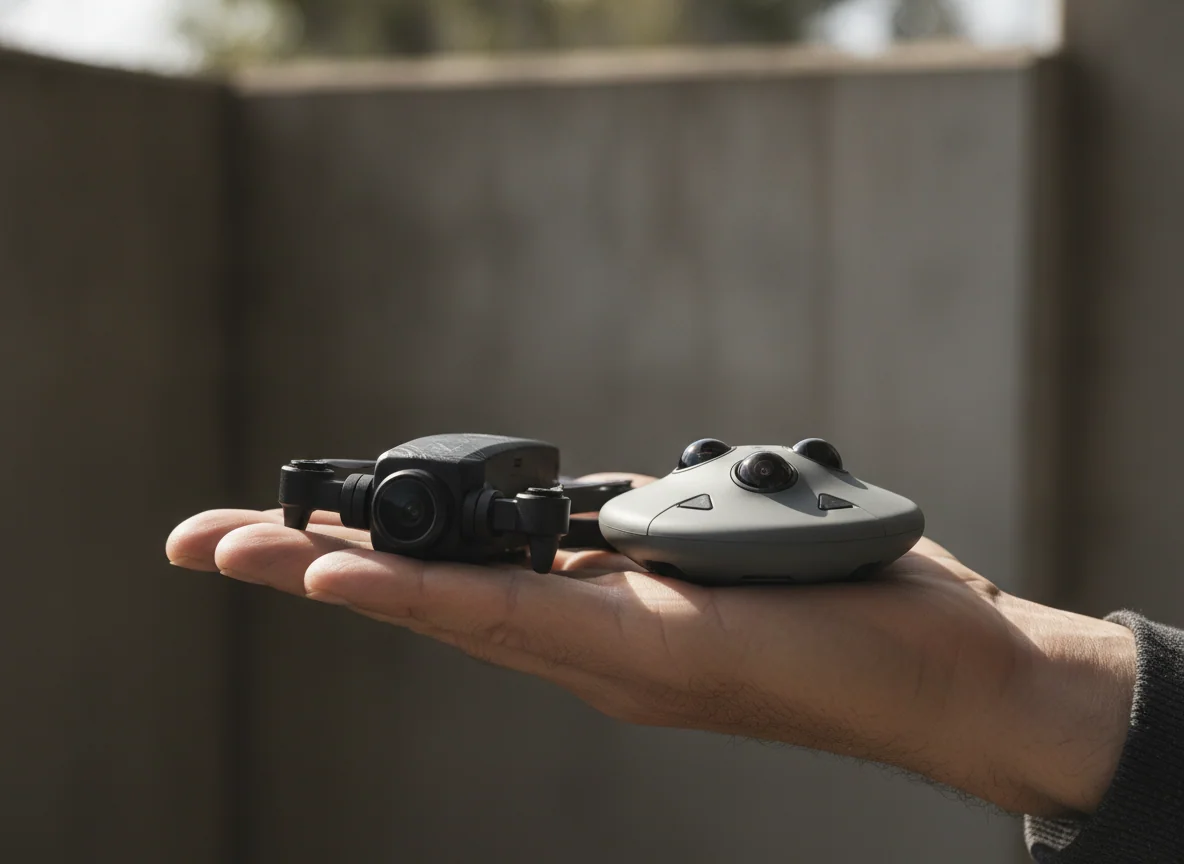
Paperwork, and the one line that disqualifies the Neo outright
Both clear the 250g line comfortably, which for recreational flying in the US means no drone registration, though the free TRUST knowledge test still applies to every recreational pilot regardless of weight and neither listing mentions it. Read our registration and Remote ID guide before you take a happy review as legal advice, because the rules differ by country and move. The Neo broadcasts no Remote ID. For anyone shooting a property listing, a wedding or a monetised channel in the US, that is the end of the conversation before image quality is even reached, and the X1 is no help either. Buyers in that position want something from the drones we would put on an invoice. Whether DJI hardware is still a straightforward purchase in the US is its own moving question, covered in the ban explainer.
| What you do | Which one, and why |
|---|---|
| Hiking and walking alone | Either, and the X1 if you want to leave the phone at home entirely. |
| Trail running through trees | The X1, because route-following is what survives the trunks. |
| Mountain biking on trail | The X1, with the caveat that both will meet branches and only the cage saves them. |
| Road cycling with any pace | Neither one keeps up, and both stop and land rather than chase. |
| Downhill skiing | Neither, and the X1 fails on descent rate rather than speed. |
| Indoors and around the house | The Neo, whose vision positioning holds a hover the X1 cannot match in corridors. |
| Vertical clips for social | The X1 shoots them natively, the Neo makes you crop. |
| Landscapes, buildings, anything you are not standing in | Neither, and the Neo only if you add a controller. |
| Learning to fly a drone properly | The Neo, because it is the only one of the two with a path to sticks and goggles. |
| Anything you invoice for | Neither, on Remote ID alone. |

HOVERAir X1
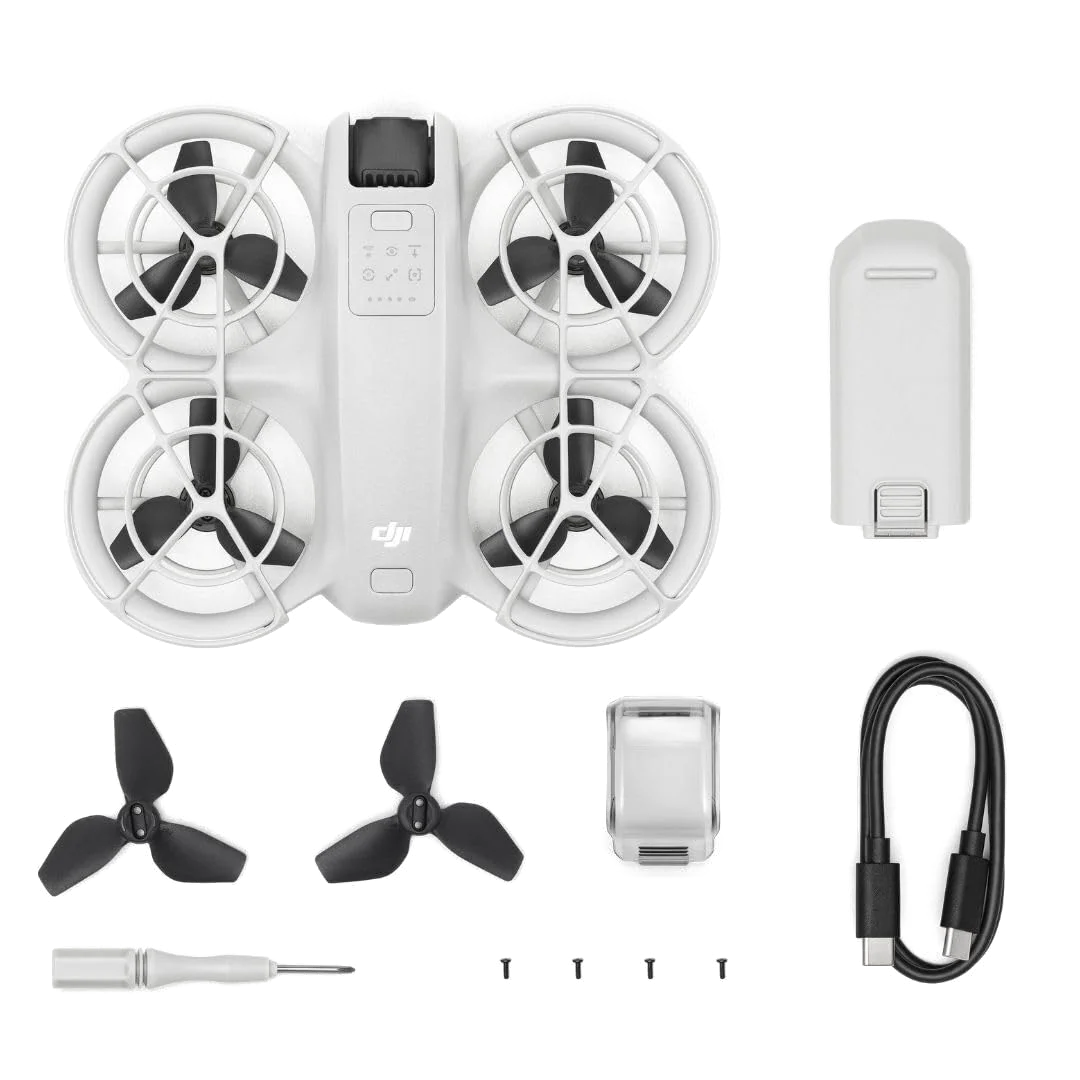
DJI Neo
Which of these should be in your pocket
When Quadcopter Bench last captured both listings the X1 sat well above the Neo, and both are habitually discounted rather than sold at list, so treat the gap as directional and not as a figure. What matters is that the Neo is the cheaper of the two and also the more expandable, which is an unusual combination and most of why it wins here. The X1 is the specialist, and specialists are worth paying for when you are certain what you want.
The one to buy if you are the subject of every shot and never want to touch a phone.
Its follow mode flies your route rather than a line at you, which is why the lock holds through wooded trails that would defeat the Neo, and it is the only one of the two that shoots vertical without an edit.
It has no GPS and no return to home in any configuration, so a lost lock means it lands on the spot, and the non-smart batteries swell if you leave them charged in a drawer.
The one to buy if this is your first drone and you are not sure yet what you want from it.
It shoots 4K rather than 2.7K, flies four or five minutes longer per pack, costs less, and is the only one of the two that grows into a real drone when you add a controller or a set of goggles.
Follow is rated at 12 mph and drops you on hard turns, there is no vertical video mode at all, and no Remote ID broadcast means it cannot lawfully earn you money in the US.
Two adjacent purchases are worth knowing about before you commit to either. If the X1's limits are the problem rather than the concept, the Pro and Pro Max add a second stabilised axis, a card slot, roughly double the tracking speed, rear collision detection and clearance to fly over water, and the three laid side by side is the honest version of that decision. If the Neo's missing obstacle sensors are what worries you, the Neo 2 adds omnidirectional avoidance and faster tracking and is a real generational step rather than a refresh, which the two Neos compared goes into properly. And if you have quietly realised over the last few sections that you want to film scenery rather than yourself, both of these are the wrong purchase and the Neo against the DJI Flip or the sub-249g roundup is where to go next.
The full arguments behind both verdicts, including the wind disagreement on the X1 and the camera disagreement on the Neo, are in our HOVERAir X1 review and our DJI Neo review. Neither was flown by us, and both are readings of the whole published record rather than a weekend with a demo unit.
Frequently Asked Questions
Which one follows you better?
The X1, because it retraces the path you flew instead of cutting a straight line at you, which keeps the lock alive through trees where the Neo's 12 mph follow tends to let go on hard turns.
Can either of them fly over water?
No, and the X1's case is worse because HoverAir explicitly rules out water and the drone's response to trouble is to descend onto whatever is underneath it.
Do you need a phone to fly them?
Both fly from a button on the body once set up, but the Neo has to be activated in the DJI Fly app first and Android owners must sideload that app from DJI's own site.
Which one shoots vertical video for Reels?
Only the X1 shoots vertical natively, and it drops to 1080p to do it, while the Neo has no vertical mode at all and leaves you cropping a 4K frame.
Does either need FAA registration?
Neither does for recreational flying at 127g and 135g respectively, though the free TRUST test still applies to every recreational pilot in the US whatever their drone weighs.
Can either follow you on a bike?
On trail at moderate pace the X1 manages it and the Neo mostly does not, but neither one will stay with a road cyclist who is trying.
Which is better for skiing?
Neither, and the X1 fails for a reason unrelated to your speed, since its maximum descent rate of 1.5 m/s leaves it hovering above you on any real pitch.
Is the X1 worth the extra money over the Neo?
Only if follow-me footage of yourself is the entire reason you are buying, because everything else the extra money buys on the Neo side is range, endurance, resolution and a route to flying it properly.
Ready to Choose?
Sources (7)
- Amazon listings and customer reviews — Hoverair X1 and Dji Neo
- Owner reports across r/HoverDrone threads
- Owner and reviewer video, 1 channel
- Photoshopcafe — Article — photoshopcafe.com
- Co — Article — dronexl.co
- Techgearlab — Article — www.techgearlab.com
- Thedronegirl — Article — www.thedronegirl.com