The Atom 3 is the better drone, and the Atom 2 is still the better buy
Buy the older one: the Atom 3 is the better aircraft on paper, but the Atom 2 does the same job for less money precisely because it has been replaced, and the only buyers who should pay the new-model premium are the ones who genuinely need 4K above 30 frames a second or who will fly the bigger battery and accept the registration that comes with it.
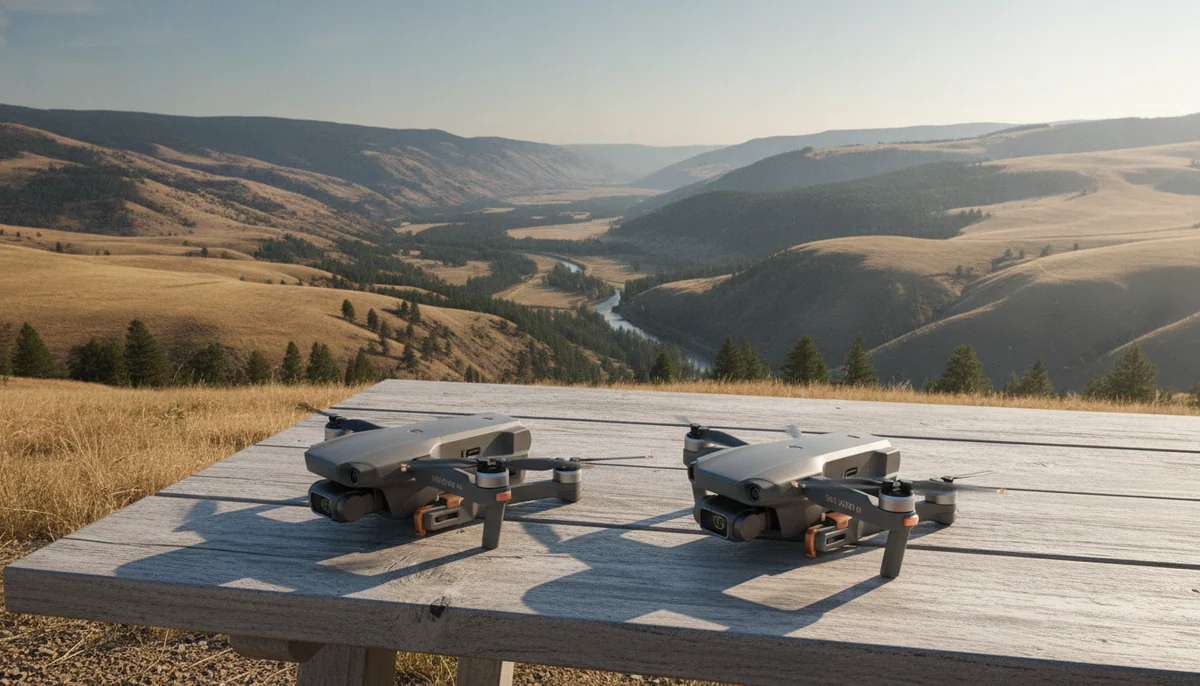
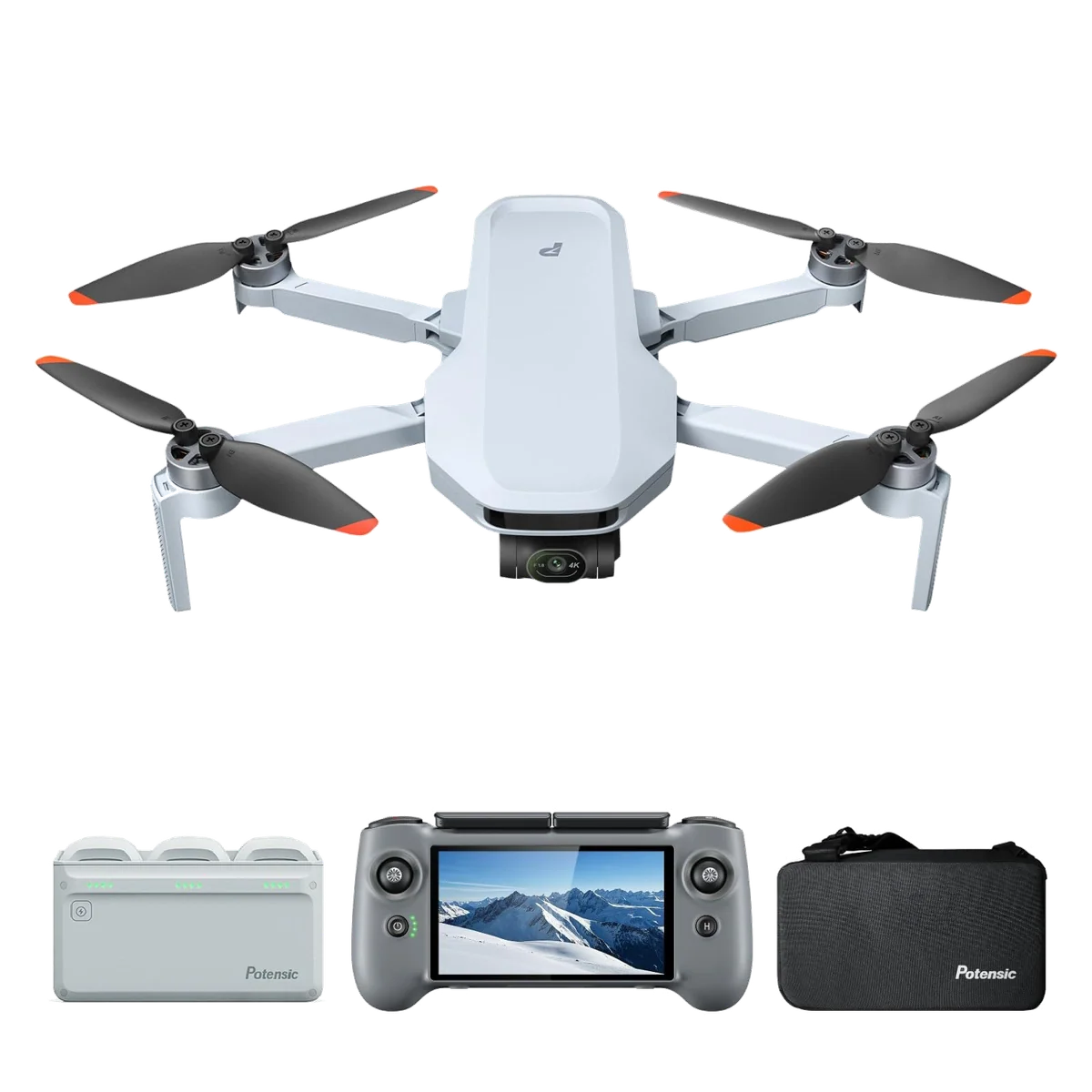
Potensic Atom 2
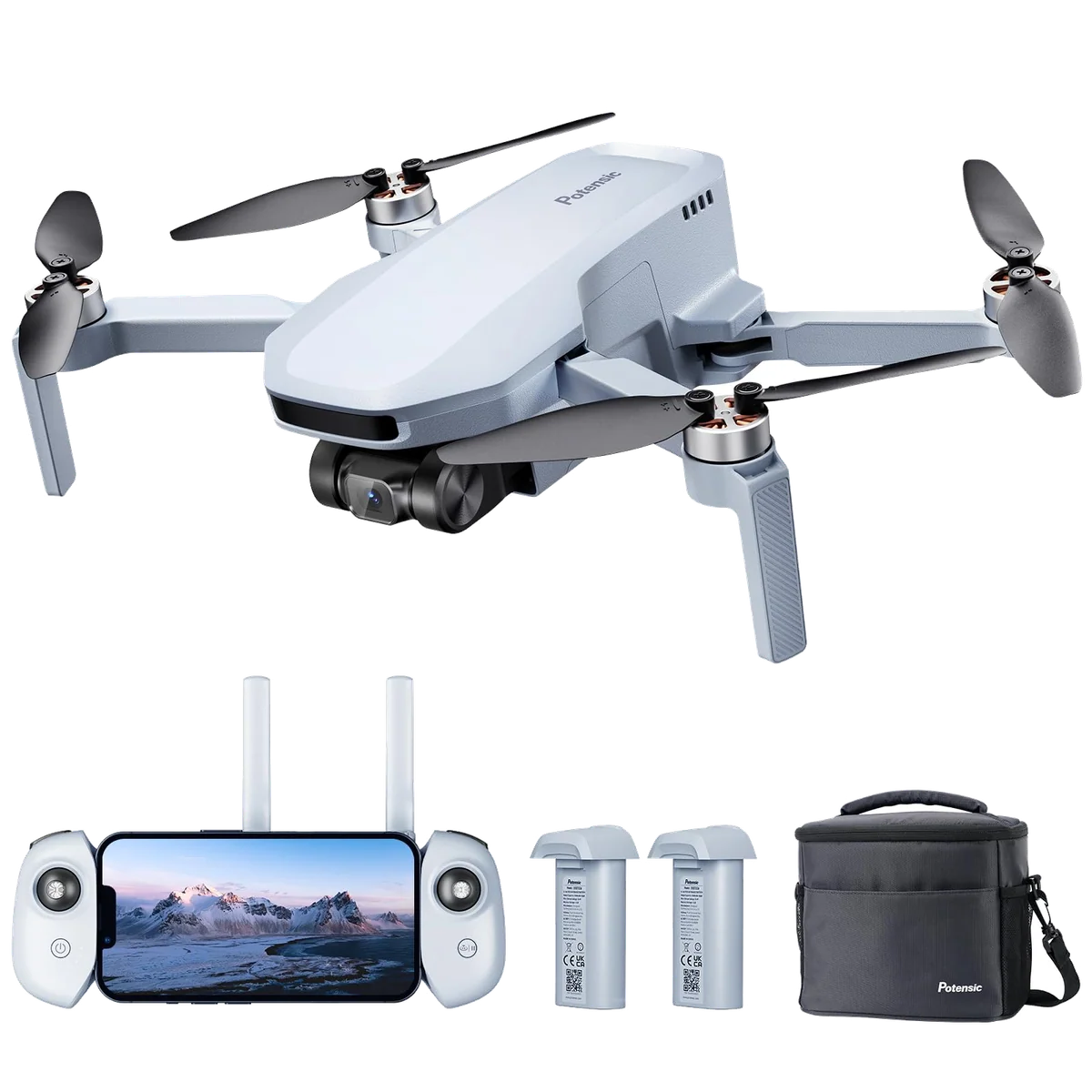
Potensic Atom SE
A successor does not make the drone you were already considering worse. It makes it cheaper, and that is the entire reason this comparison is worth having. Everything Quadcopter Bench liked about the Atom 2 is still in the box: the 249g airframe that hovers without drifting, the mechanical three-axis gimbal, three batteries and a hub that fills all of them in about an hour and twenty, and a set of creative modes that DJI does not offer at this end of the market. Nothing about the Atom 3's launch reached back in time and removed any of it.
What the Atom 3 brings is a shortlist, and it is a good shortlist: a larger sensor, higher frame rates than the Atom 2's hard 30fps ceiling at 4K, a controller that runs at 900 nits instead of 700, and a memory card slot you can reach without pulling the battery out first. Every one of those is a real answer to a real complaint about the older drone. Two of them, the frame rate and the sensor, are the kind of thing you feel in the footage rather than in the spec sheet.
Here is the part that should slow you down. Quadcopter Bench has flown neither of these aircraft, and while the Atom 2 has more than a year of owner reports, professional measurement and firmware history behind it, the Atom 3's public record is a few weeks deep and the first new-owner problem threads are already up. That asymmetry is not a slur on the new drone. It is a statement about how much you can know before you spend, and with this manufacturer in particular it matters more than usual, because Potensic's habit is to ship early and patch afterwards. That habit is why the Atom 2 eventually got waypoints and a flat log profile it did not launch with, and also why a firmware update to the previous-generation Atom cut its range and was never reversed.
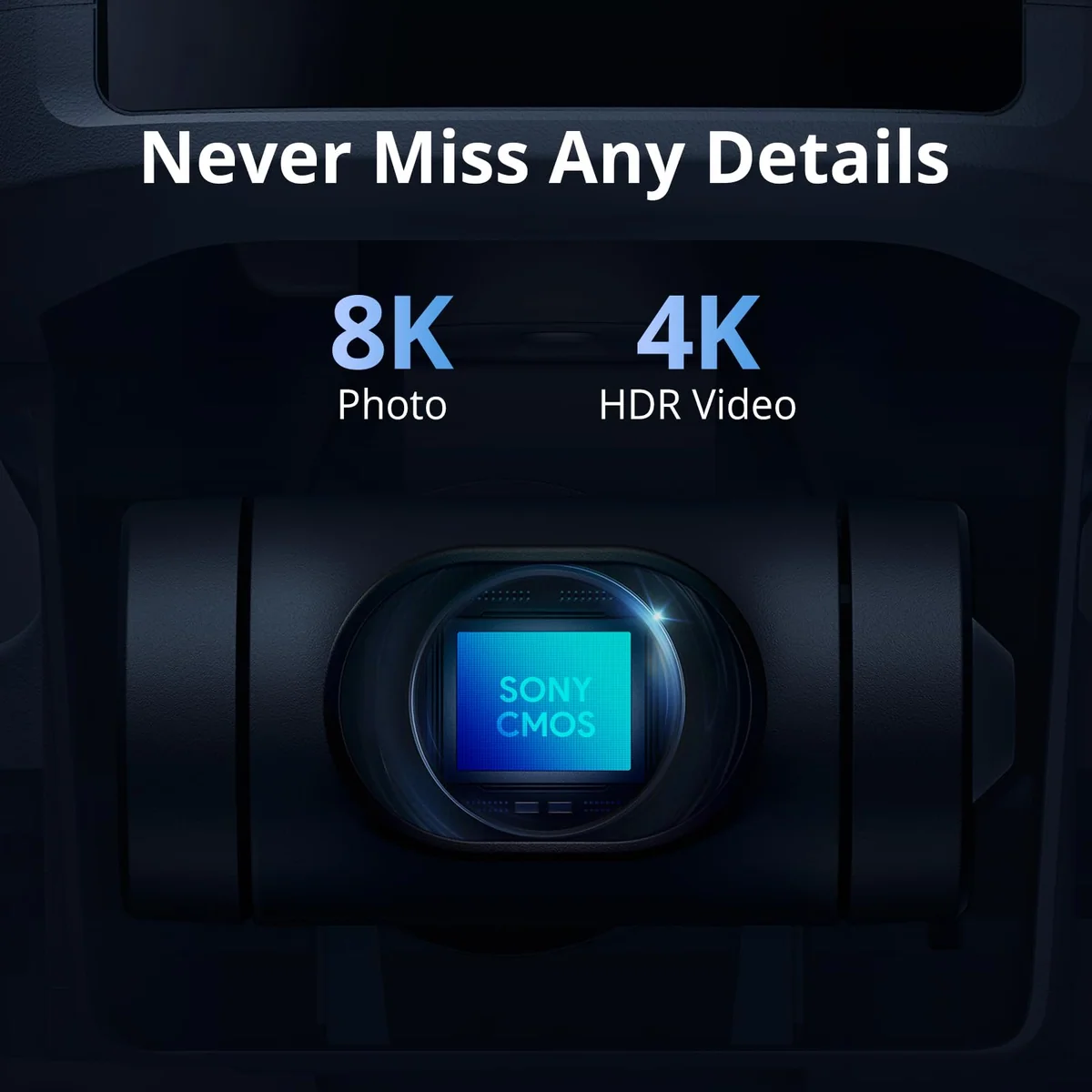
And the Atom 2's own faults have not been fixed by anything the Atom 3 does, because you are still buying the Atom 2. There is no forward or side obstacle avoidance, the downward vision system barely registers as present, 4K is locked to 30fps, and the 48MP stills the listing prints as 8K are JPEG only with heavy sharpening baked in. If any one of those is a dealbreaker, the answer to this comparison is neither drone, and the DJI Mini 4K is where you should be looking instead.
Potensic Atom 2
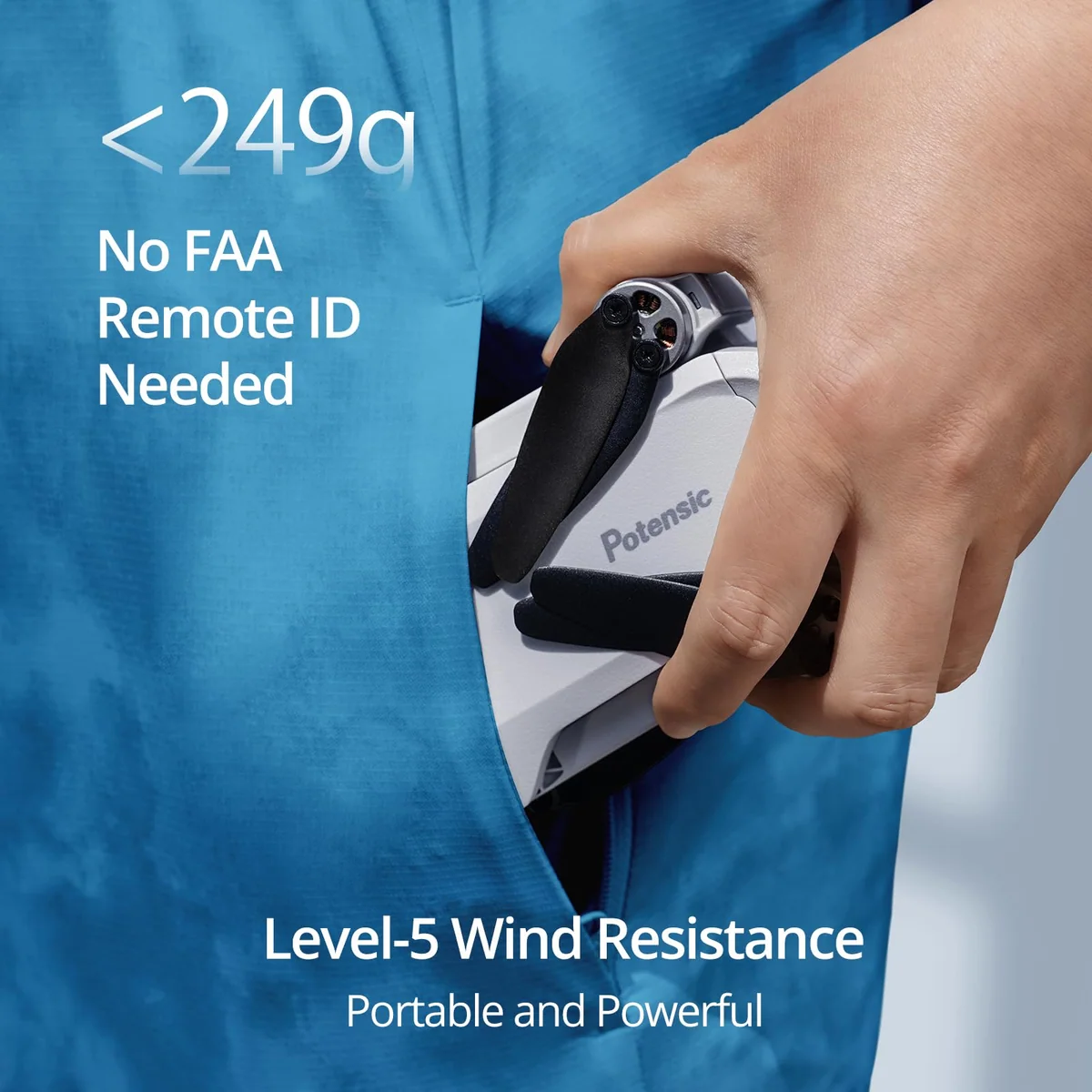
Potensic Atom SE
At a Glance
| Feature | Potensic Atom 2 | Editor's Pick Potensic Atom SE |
|---|---|---|
| Price Range | $500–$1,000 | $200–$500 |
| Finish | Gray | Gray |
| Configuration | ATOM 2 (RC with Three Batteries) | 11.81 x 9.64 x 2.28 inches |
| Check Price on Amazon | Check Price on Amazon |
What the newer drone changes, and what it quietly leaves alone
Read the two listings side by side and the Atom 3 looks like a clean generational step. Read the Atom 2's fault list beside the Atom 3's feature list and you notice how many of the faults are not on it. The upgrade is a camera and convenience upgrade. It is not, on anything we can verify, a safety upgrade.
| Atom 2 | Atom 3 | |
|---|---|---|
| Sensor | 1/2-inch Sony CMOS behind an f/1.8 lens | Larger, per the launch coverage, with no independent measurement we trust yet |
| 4K frame rate | 30fps and nothing above it | Higher, and this is the headline reason to upgrade |
| Stills | 48MP JPEG only, heavily sharpened, raw at 12MP | Not established by any source we would stand behind |
| Screen controller | PTD 1, 5.5in, 700 nits, and it pairs with the Atom 2 alone | New unit at 900 nits, which tells you where the weakness was |
| Memory card | Behind the battery retaining clip, so the battery comes out first | Reachable without dismantling anything |
| Weight | Exactly 249g, Remote ID as a toggle rather than a forced broadcast | Under the line as standard, over it with the larger battery fitted |
| Obstacle avoidance | None forward or sideways, downward nominal at best | Nothing in the record establishes that this changed, so do not assume it did |
| Public record | Over a year of owner reports, one carefully measured professional test, a firmware history with wins and regressions in it | Weeks old |
| Aftermarket | Thin but real: ND filters exist now, cases exist, cables exist | Starting from nothing, which is where the Atom 2 started too |
The controller line deserves a second look, because it is the one that catches people who already own the older drone. The PTD 1 is compatible with the ATOM 2 and nothing else, which Potensic states in its own listing rather than burying. That cuts both ways. If you own an Atom 2 with the screen controller and you fancy the Atom 3, you are not carrying the screen across, so the upgrade costs you a controller as well as a drone. If you are buying fresh, the same fact means the premium you pay for the PTD 1 bundle is a purchase of convenience today and not an investment in the next aircraft.
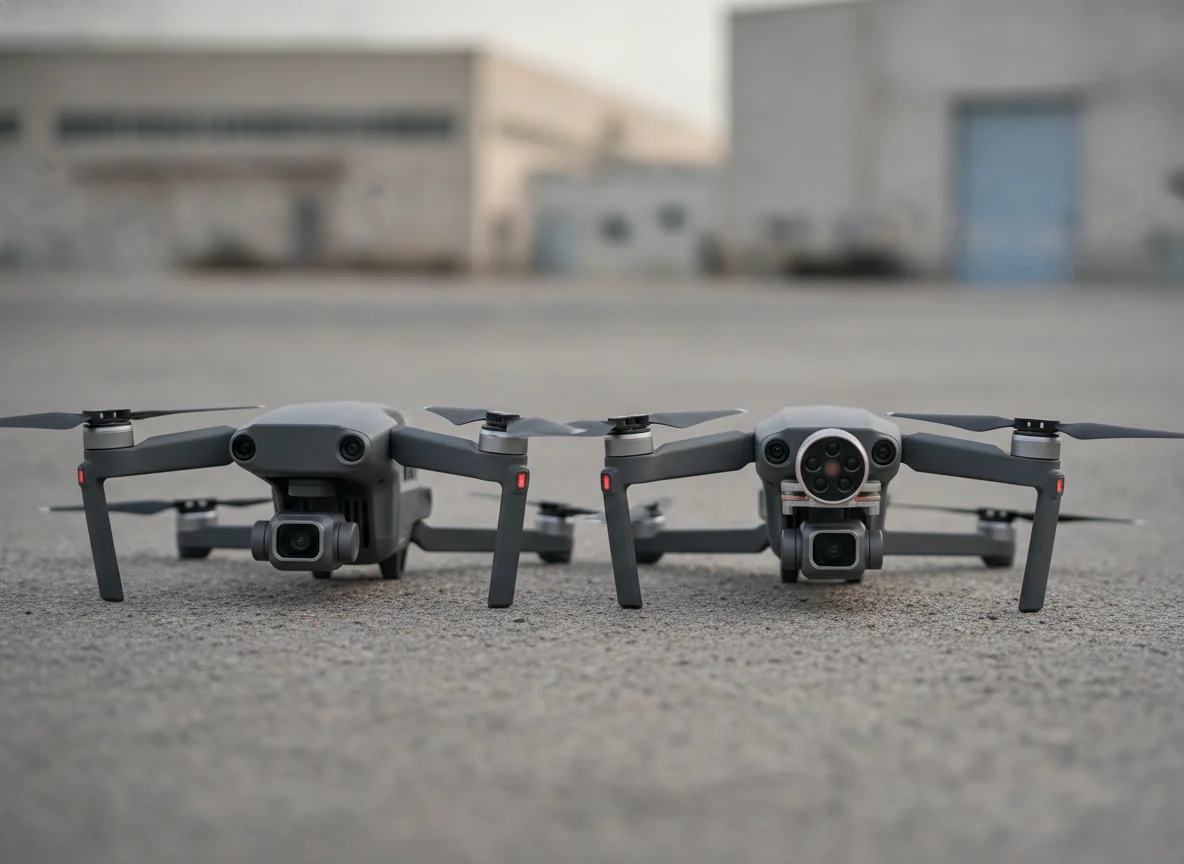
The 249g line is the argument, and the bigger battery is where it breaks
The Atom 2's most valuable feature is not on the box in bold. It weighs exactly 249g, and the whole reason anyone accepts a 20-minute battery in a drone this small is that the weight buys a legal position: no US registration for recreational flying, and Remote ID that you switch on rather than one that switches itself on. That is the actual product. The camera is the reason you keep it.
Potensic's answer to the short flights on the newer drone is a larger battery option, and fitting it takes the aircraft over the line. You can absolutely make that trade, and plenty of pilots should. But be clear about what you are trading, because it is not a small administrative nuisance and it does not go away when you land: registration, and in most of the places people actually want to fly, a different conversation about where you are allowed to be. We keep the current position on registration and Remote ID for sub-250g aircraft, and a running shortlist of camera drones that stay under the limit. If the honest answer is that you want the long battery more than you want the exemption, you are not really shopping in this class any more, and you should be reading up rather than down.
The risk you take buying last year's Potensic
Rule two of this site is that a real drawback gets said plainly, so here is the one that argues against everything above. When the Atom 2 arrived, owners of the original Atom watched development attention move to whichever model was newest, and one of them had a range regression from a firmware update that was complained about loudly and never fixed. Buying the Atom 2 now puts you exactly one generation into that same position. Nobody at Potensic has promised the Atom 2 will keep getting attention, and the company's record does not entitle you to assume it.
The counterweight is that the Atom 2 is already finished software. The two features it launched without, waypoints and the flat log profile, both eventually shipped, so the outstanding promises have been settled. What you are buying is a drone in its final state rather than one whose best version is still a download away, and given that a later Atom 2 update also produced blurry footage complaints serious enough that a long-time supporter told people to hold off, a settled machine has something going for it. The Atom 3, by contrast, is at exactly the point in its life where Potensic historically ships things that need fixing.
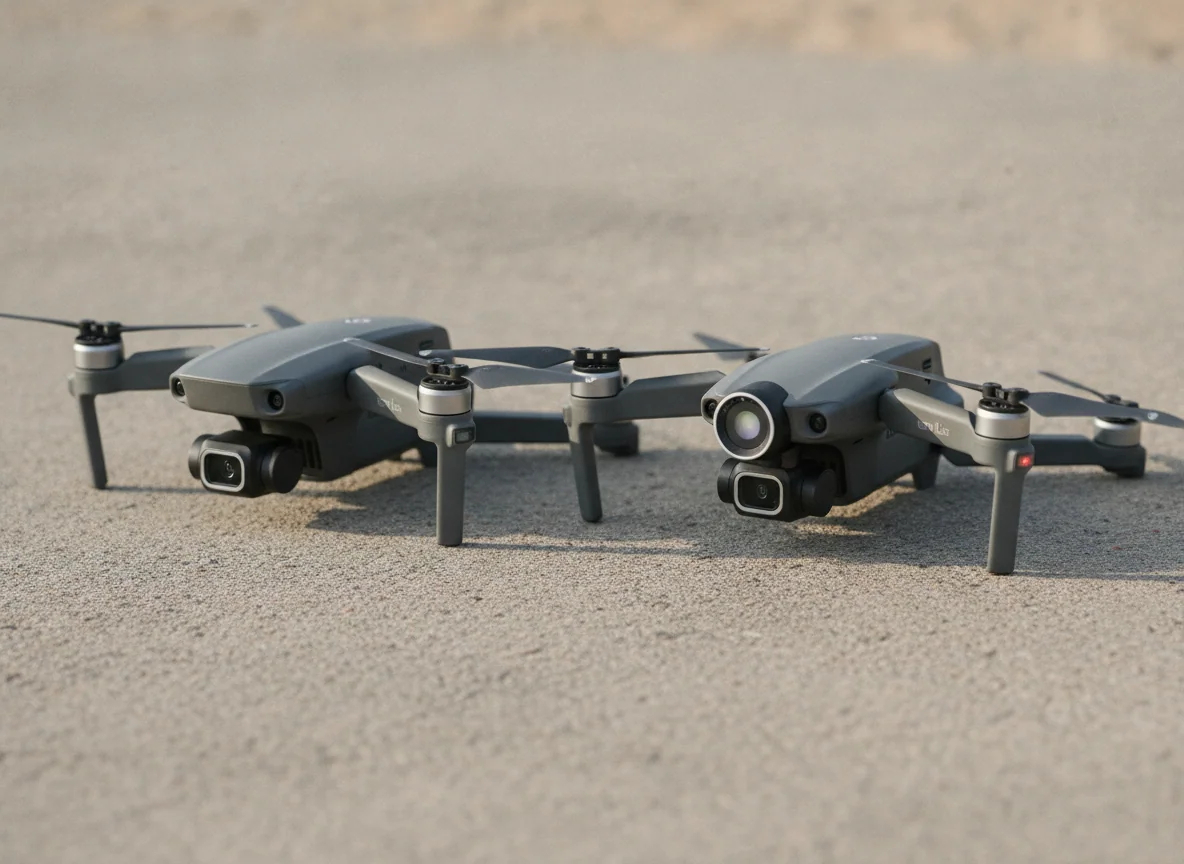
Neither of them is a DJI, and that is still the real fork in the road
Most people arriving at this comparison have already made a decision they have not examined, which is that they are buying a Potensic. It is worth examining. Owners who keep a DJI in the same bag say generous things about the Atom 2 and mean them, and its subject tracking is a feature DJI's cheapest mini does not have at any price. It is also true that the Atom 2 flies without anything watching forward while its headline mode exists to chase a moving subject, which is the pairing that puts drones in trees. What avoidance actually catches is worth ten minutes of your time before you choose either of these. Our longer answer on the brand question sits at are Potensic drones as good as DJI, and the direct head-to-head is at Atom 2 vs Mini 4K.
One more piece of arithmetic that the newer model does not change: the 96 minutes on the Atom 2's carton is three batteries multiplied by an optimistic figure, and a real pack runs somewhere around 20 to 23 minutes. The Atom 3's flight-time claim will be built the same way, because every maker builds them the same way. Compare the two on batteries in the bag, not on numbers on the box, and the combo with three packs and a hub stops looking like an upsell.

Potensic Atom 2
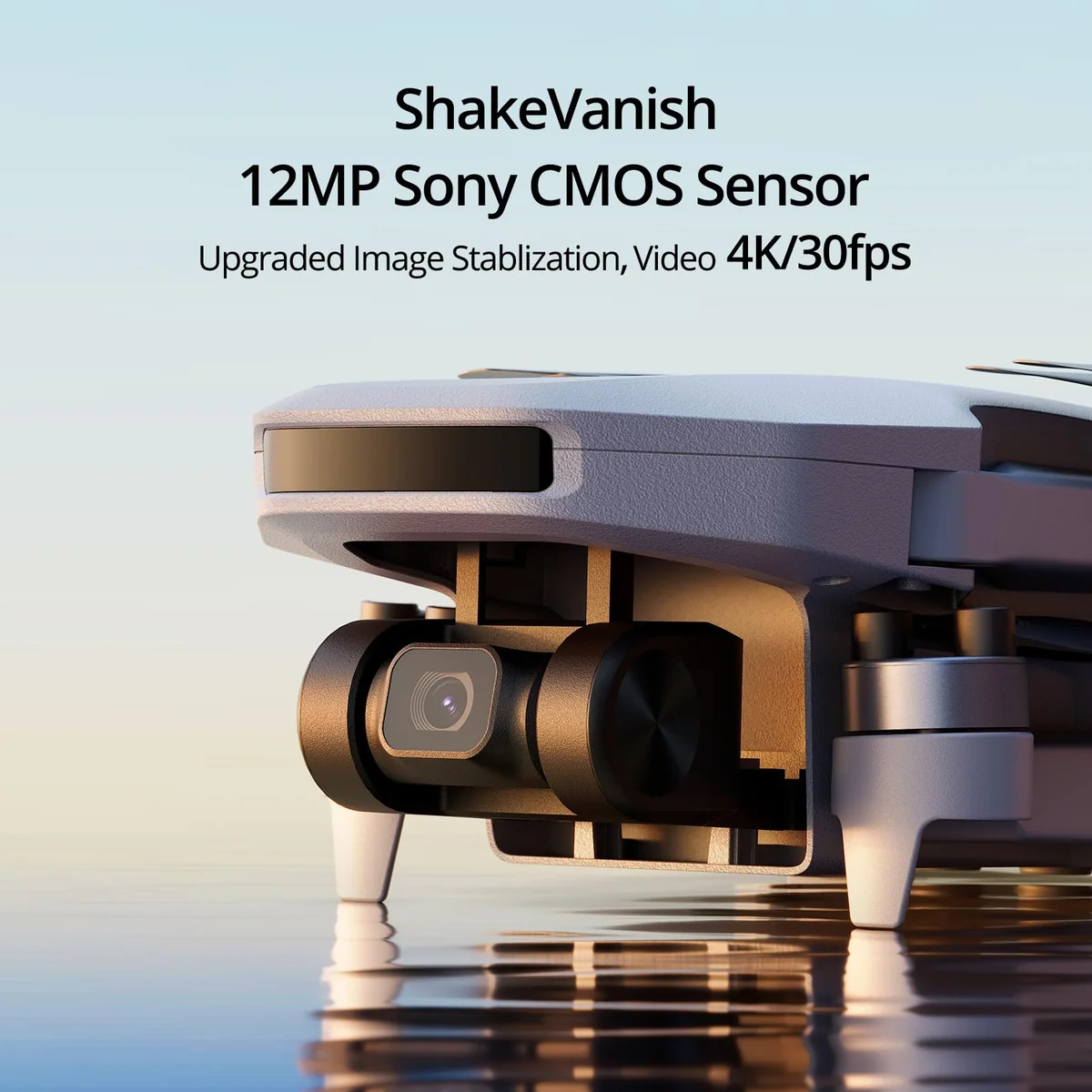
Potensic Atom SE
So which one, for you
Take the Atom 2 if you want a folding sub-250g camera drone with a proper mechanical gimbal and a screen in your hands, you fly in open country away from trees and buildings, you shoot video more than stills, and the discount that comes with being last year's model is what brings it into range. That is most people reading this. The drone was already good value at the top of the market's attention and it is better value now that the attention has moved on.
Take the Atom 3 instead if 4K at 30fps is a genuine constraint on the work you do, if you want the larger sensor badly enough to be an early adopter of a Potensic, or if you have decided the extended battery is worth registering the aircraft for. Those are legitimate positions and this page is not going to talk you out of them. Understand that you are buying a machine whose faults have not been catalogued yet, from a manufacturer whose support is excellent at fixing your individual problem and poor at admitting a problem that affects everybody.
And skip both if you fly anywhere with obstacles, need raw stills as your main output, or were going to pay near the top of the Atom 2's asking range anyway, because at that point the DJI machines are making a better argument and the support behind them is not in question. If you already own an ATOM SE and are weighing the step up, that upgrade is a bigger jump than either of these generational changes, because it is the one where you gain a real gimbal.
The one to buy while its replacement takes the price hit
A 249g folding drone with a real mechanical gimbal, three batteries, a hub and a screen controller, and the arrival of the Atom 3 is what finally makes its asking price make sense.
Nothing on this aircraft watches forward or sideways, which is exactly the wrong pairing with tracking modes built to send it chasing a moving subject.
Two things to buy alongside it, whichever generation you land on. A fast, reputable memory card is not optional, because a slow one throws an on-screen warning and forces you down from 4K to 2.7K, and nothing is supplied in the box. A landing pad keeps grit out of the gimbal and off the downward sensors. The rest of the shortlist is at what the Atom 2 actually needs, and if you are still deciding whether the extra packs justify themselves at all, that argument is its own piece.
Frequently Asked Questions
Is the Atom 3 out yet?
Yes, it has launched and it is on shelves, which is the single biggest reason the Atom 2 is worth looking at again right now.
Does my PTD 1 screen controller work with the Atom 3?
No, Potensic states in its own listing that the PTD 1 pairs with the ATOM 2 and nothing else, so upgrading the drone means buying a controller too.
Is the Atom 3 still under 249g?
As standard yes, but the larger battery option takes it over the line and hands you registration along with the extra flight time.
Does either of them have obstacle avoidance?
The Atom 2 has none facing forward or sideways and a downward system so slight that a careful reviewer could not detect it working, and nothing in the Atom 3's short public record establishes that this changed.
Will Potensic keep updating the Atom 2 now that the Atom 3 exists?
There is no promise either way, and the previous generation was left with an unreversed range regression after the Atom 2 arrived, so treat the drone you buy as the drone you are keeping.
Which one shoots better video?
The Atom 3 on paper, because it lifts the Atom 2's hard 30fps ceiling at 4K and uses a larger sensor, though no independent measurement of that footage has reached us yet.
I already own an Atom 2, should I upgrade?
Only if 4K30 is actively costing you shots, since the upgrade also means a new controller and a return to the start of the aftermarket queue.
Ready to Choose?
Sources (4)
- Amazon listings and customer reviews — Potensic Atom 2 and Potensic Atom Se
- Owner reports across r/Potensic, r/drones threads
- Owner and reviewer video, 2 channels
- Techradar — Article — www.techradar.com