Potensic ATOM SE vs Atom 2: the gimbal is the whole comparison
Buy the Atom 2, because a real three-axis gimbal is the one thing no firmware update will ever add to the SE, and it is the difference between footage you keep and footage you shot for the fun of shooting it; the SE is still the right aircraft for exactly one buyer, the beginner who expects to meet a tree in the first month and would rather the tree ate the cheap one.
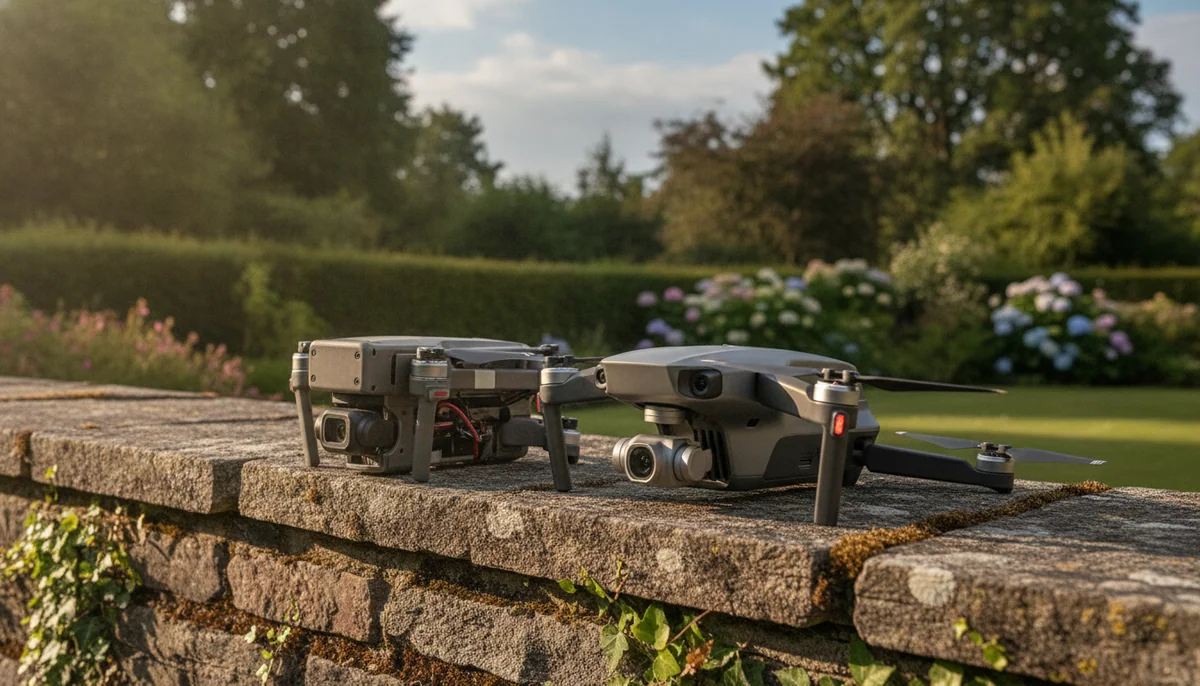
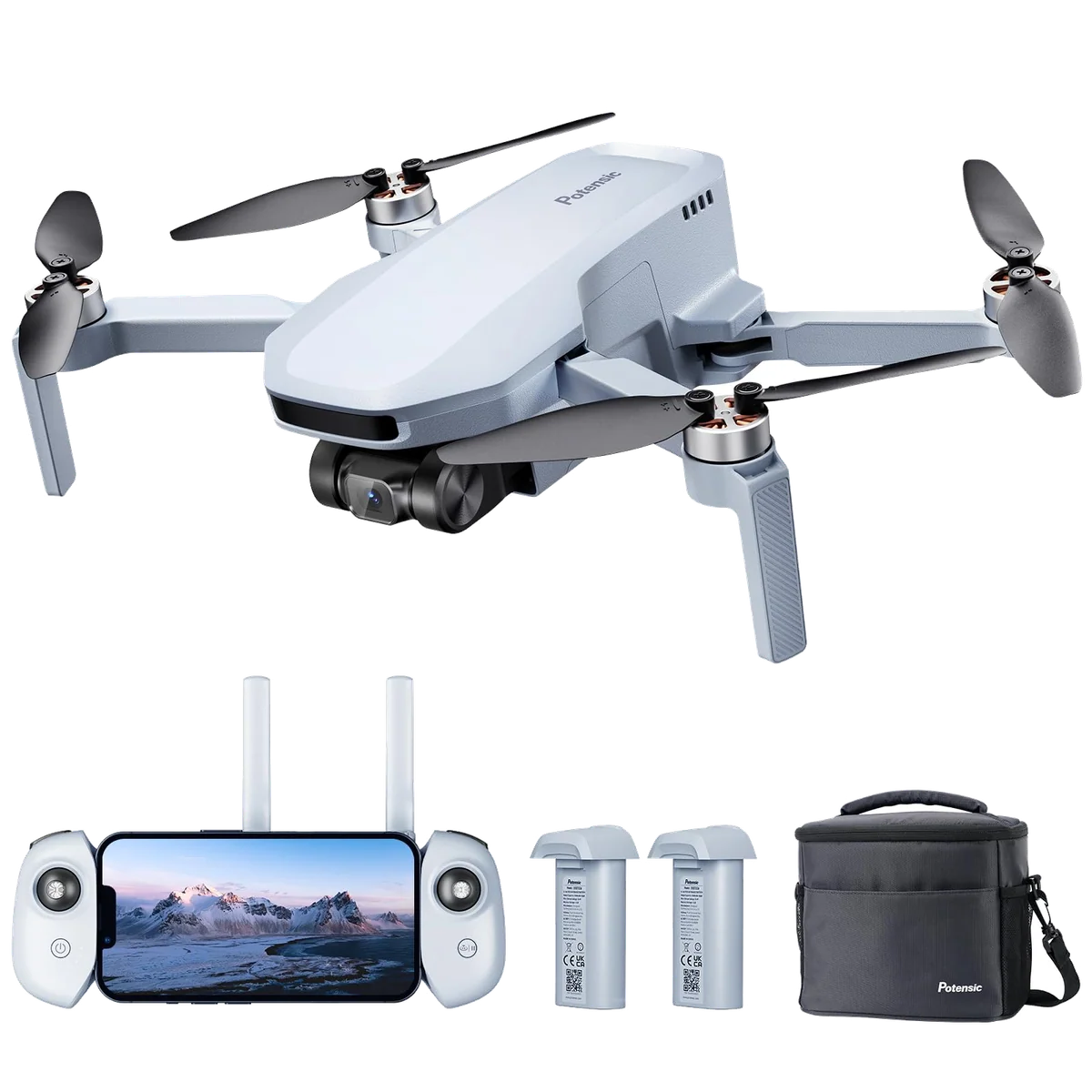
Potensic Atom SE
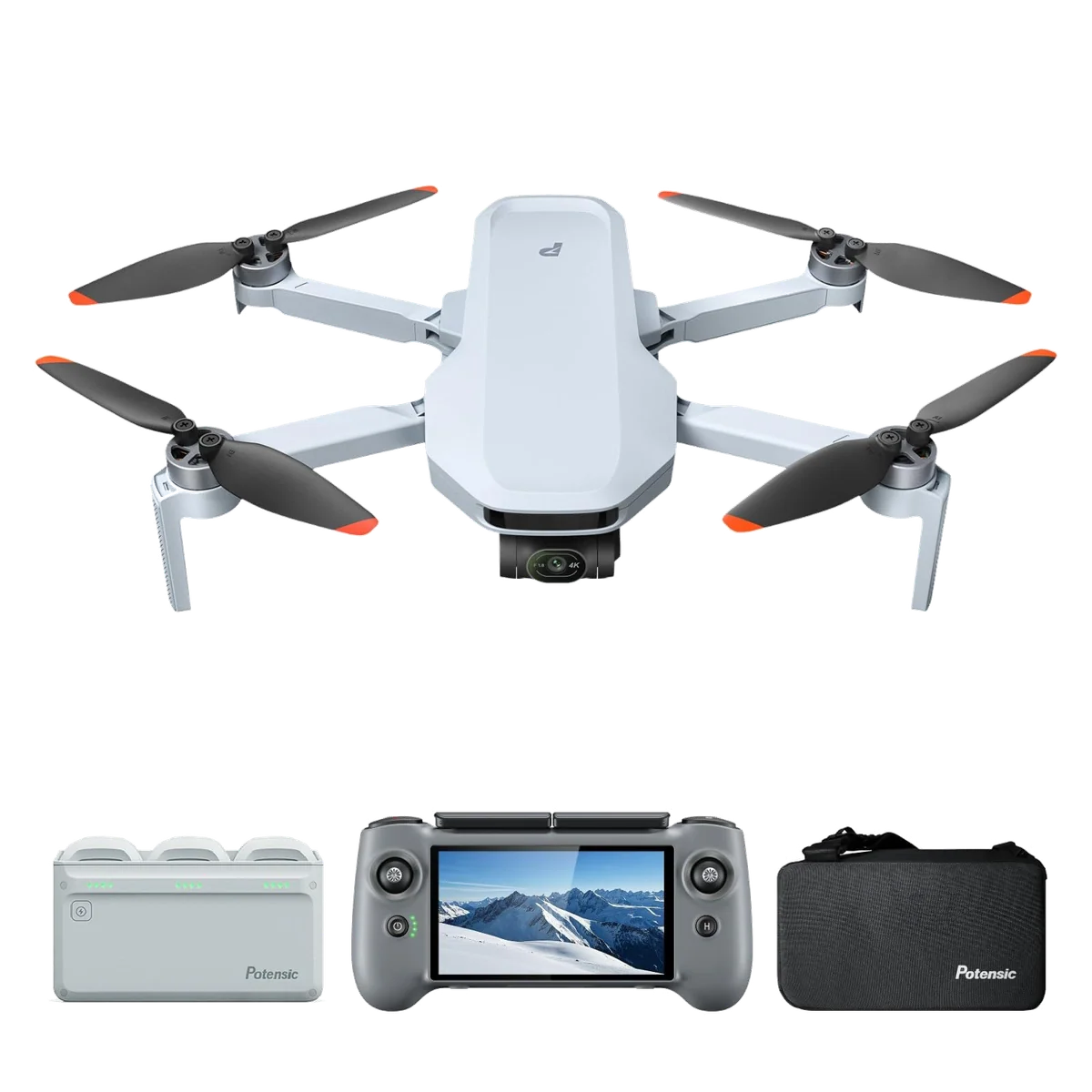
Potensic Atom 2
The names imply a refresh. They are not describing one. Between these two aircraft Potensic changed the stabilisation from a single mechanical axis with software carrying the rest to a full mechanical three-axis gimbal, moved from a 1/3-inch sensor to a 1/2-inch Sony behind an f/1.8 lens, and in this particular bundle removed the phone, the cable and the app launch from every flight by putting a 5.5-inch screen in the controller. Everything else people argue about, the frame rates, the tracking, the transmission figures, is downstream of those three decisions.
So the useful way to read this page is not as an upgrade ladder. Quadcopter Bench's ATOM SE review called it the drone to learn on and not the drone to film with, and nothing here softens that. The SE is a flight-school aircraft that happens to carry a surprisingly good camera for its type. The Atom 2 is a camera that happens to fold into a shoulder bag. If footage is the reason you are buying a drone at all, the comparison is already over and the rest of this page is about how much you are giving up in exchange, because you are giving up plenty.
Two things to know before the argument starts, so you can act on them now. Neither drone sees forward, sideways or up, so neither will stop itself flying into anything; and the Atom 2 configuration on this page is the most expensive way Potensic sells that drone, since the identical aircraft, batteries and hub also ship with a plain phone-clamp controller. The screen is a real convenience, and it is the only thing the premium buys.
Potensic Atom SE
Potensic Atom 2
At a Glance
| Feature | Potensic Atom SE | Editor's Pick Potensic Atom 2 |
|---|---|---|
| Price Range | $200–$500 | $500–$1,000 |
| Finish | Gray | Gray |
| Configuration | 11.81 x 9.64 x 2.28 inches | ATOM 2 (RC with Three Batteries) |
| Check Price on Amazon | Check Price on Amazon |
One stabilised axis is not a gimbal, and that is the whole story
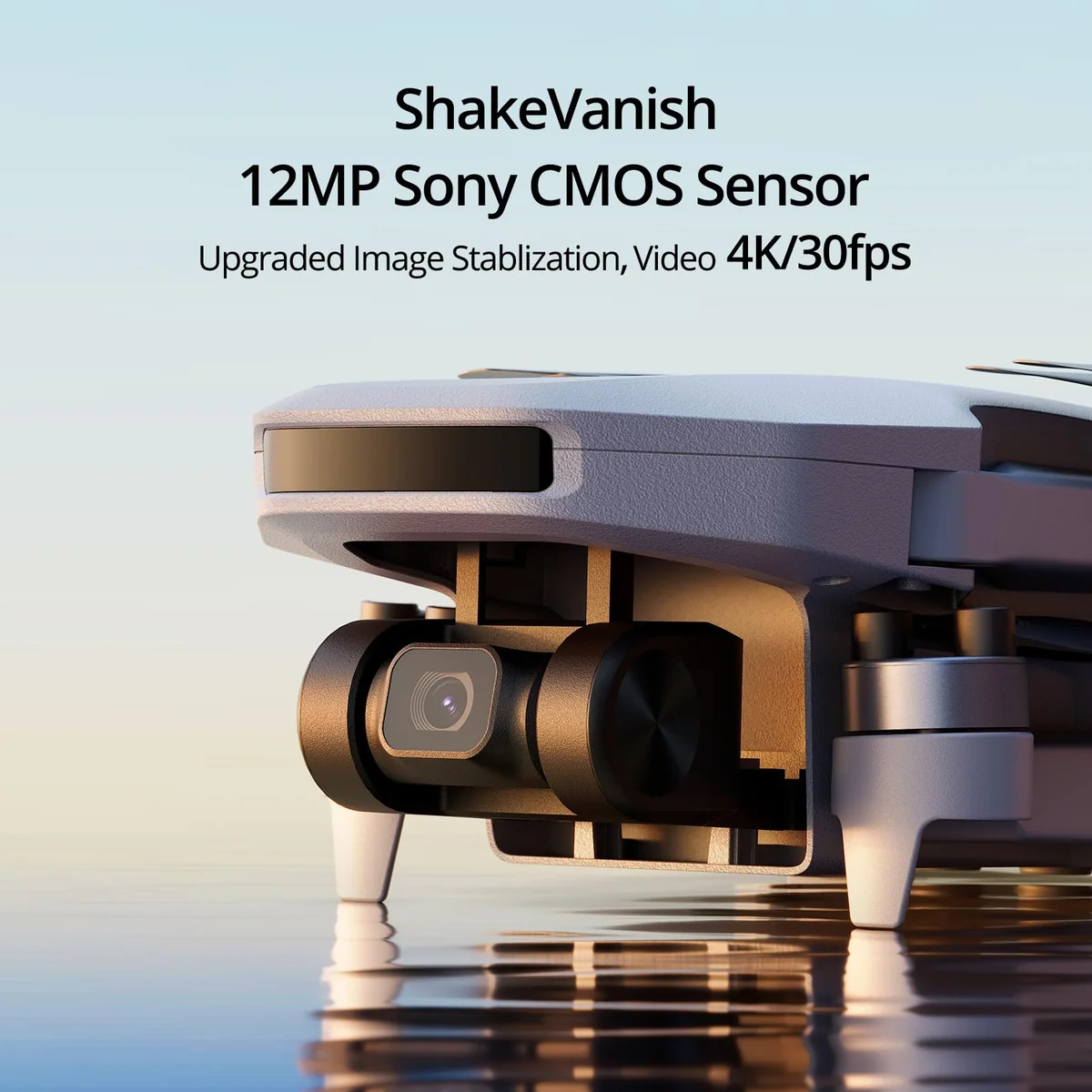
Potensic's own product page for the SE says what a dozen spec-scraping comparison sites get wrong: the aircraft stabilises with a single mechanical axis plus electronic image stabilisation, marketed as ShakeVanish. The honest finding is that it is unusually good electronic stabilisation. Digital Camera World rated the daylight image the best it had seen from a drone relying on EIS, sharp, with real contrast, and comfortably ahead of the rest of the beginner shelf.
And it still has the failure mode that defines the type. With no gimbal able to rotate against the airframe, the horizon goes flat and shifts the moment the drone leans into wind or turns quickly, which is exactly when you were filming something worth filming. The tell is in Potensic's own naming: the three speed settings are Video, Normal and Sport, which is close to an admission that the faster you fly, the less the stabilisation can hold together. Reviewing the gimbal-equipped Atom later, the same outlet described the SE's system as digital, better than equivalent systems, and limited, and noted that the SE suffix had always signalled a version without the compromise was coming. That version is what the Atom 2 grew out of.
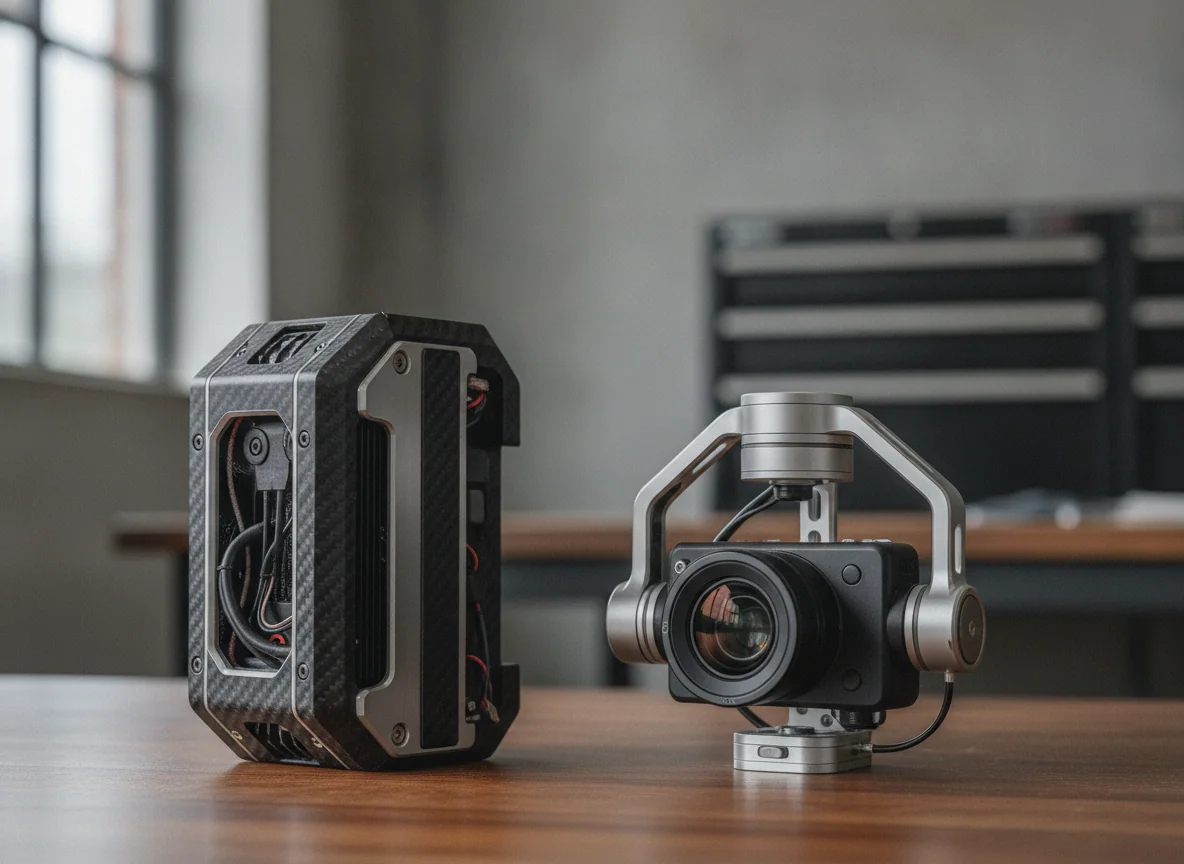
The Atom 2's gimbal is mechanical, three-axis and, unusually for this size, tilts a little above the horizon as well as straight down, which quietly unlocks a whole category of shot the SE cannot frame at all. If you want the mechanics rather than the marketing, we set them out in gimbal versus electronic stabilisation. The short version is that a gimbal removes motion before the sensor sees it, and EIS removes it afterwards by throwing pixels away and guessing.
One fixed frame against a camera you can actually operate
The SE sees at 118 degrees and that is the only view it has. There is no zoom of any kind, not even digital, so the only lens control you own is the aircraft: one owner put it as flatly as it can be put, saying that when he wants detail he simply has to fly lower. Exposure is automatic only, with no manual ISO, shutter or white balance and no interval shooting. Wide is dramatic, wide is also distorted, and there is nothing on board to pull you back in.
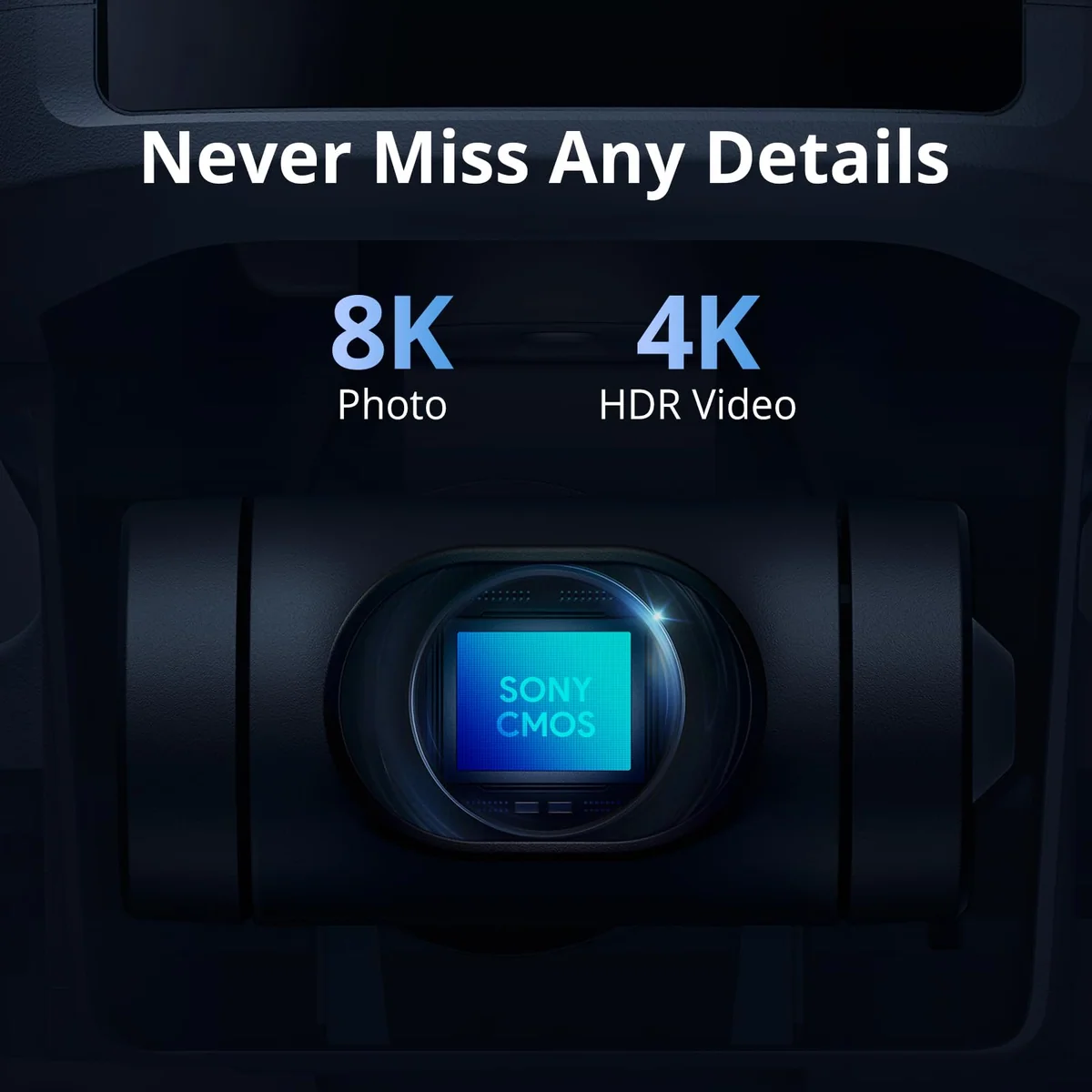
The Atom 2 hands you the controls. Manual ISO, shutter and white balance, bracketing at three or five frames, wide, 180-degree and vertical panoramas, and digital zoom that scales with resolution rather than being one flat number: four times only at 1080p, three at 2.7K, two at 4K. It shoots 4K HDR and carries a flat P-Log profile that arrived by firmware after launch, which is genuinely rare at this end of the market.
Two caveats, because the listing does not volunteer them. The 48-megapixel mode the box prints as 8K is JPEG only, with heavy sharpening baked in, so the largest file it makes is also the least recoverable one, and the raw files that grade properly come out at 12 megapixels. There is no live histogram either, which is the omission a manual shooter feels on every single flight. And 4K is locked to 30fps: if 4K60 is on your list, neither of these drones has it and no amount of comparing them will produce it.
The two boxes, and what owners come back with
| The claim | ATOM SE | Atom 2 Fly More with PTD 1 |
|---|---|---|
| Stabilisation | One mechanical axis plus EIS, and the horizon tilts when the airframe does | Mechanical three-axis gimbal that also tilts slightly above the horizon |
| Sensor and lens | 1/3-inch Sony, 118 degrees, no zoom at all, automatic exposure only | 1/2-inch Sony at f/1.8, full manual exposure, zoom tiered by resolution |
| Flight time on the carton | 62 minutes, which is two claimed 31-minute packs added together; owners report roughly 22 to 25 minutes each | 96 minutes, which is three claimed 32-minute packs; owners report roughly 20 to 23 minutes each |
| Transmission on the carton | 4km, and the longest distance anyone in the record reports is about 3,200ft in clear air at twilight | 10km, with one coastal owner holding a link five miles over open water and another seeing dropouts at two miles inland |
| Return to home | Accurate to a foot or two, on command and on low battery alike | Accurate rather than precise, which is fine for a field and not for a balcony |
| Obstacle sensing | None, in any direction | None forward, side or up, and a downward system you can barely detect working |
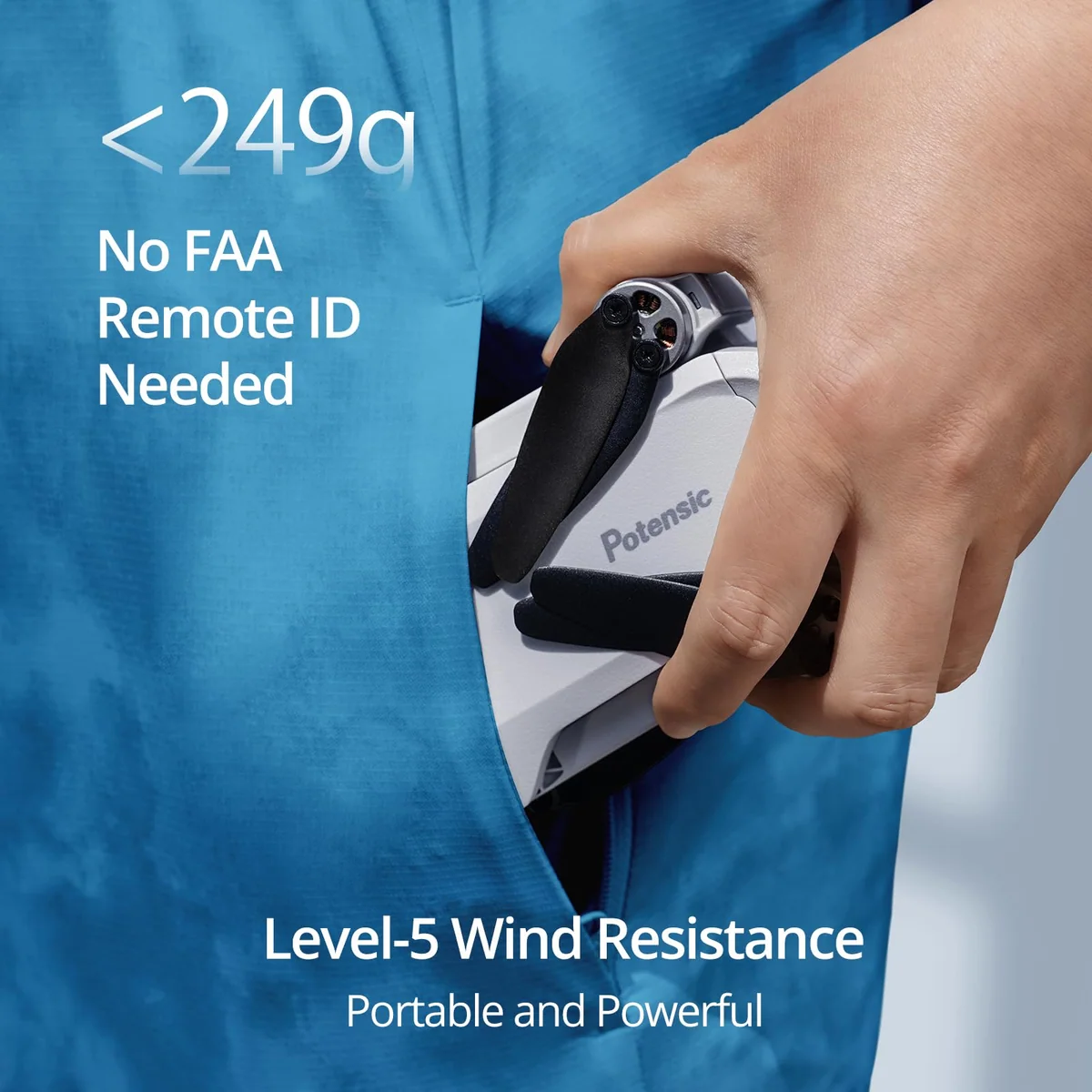
| Weight | 248g on an owner's kitchen scale, battery fitted | 249g, with Remote ID as a toggle rather than a forced broadcast |
The endurance rows are the same trick performed twice, and it is an industry habit rather than a Potensic one, as our piece on the gap between advertised and real flight time works through. Per battery these two are close enough that endurance is not a reason to choose either. What separates them in practice is that the Atom 2 bundle carries three packs and a hub that fills all of them in one go, which is the difference between a flying session and a flying afternoon. Whether that is worth the bundle premium is an argument we have had at length, with one wrinkle specific to the SE: its charging hub only comes with the three-battery configuration, not the two.
The transmission rows deserve less respect than either maker gives them. No pilot keeping the aircraft in sight, which is the law wherever you are reading this, will ever test 4km or 10km. Treat both numbers as a rough proxy for how gracefully the link degrades behind a treeline, and nothing more.
The controller is the second real difference, and it is not free
The SE was never a toy in this respect. It ships with a genuine radio controller that your phone plugs into by cable, rather than the phone-to-drone Wi-Fi of the cheap tier, and reviewers singled that out as the reason control feels dependable rather than laggy. It works. It also means every flight starts with unfolding a phone, finding the right adapter cable and waiting for an app to decide it is ready.
The PTD 1 in this Atom 2 bundle deletes that ritual: a 5.5-inch 1080p touchscreen rated at 700 nits, a claimed three hours of runtime and 27W charging, so you power it on and fly. Owners of this exact combo name it first when they talk about the drone. Quadcopter Bench went looking for independent measurements of the screen itself and came back empty, so those figures are the manufacturer's rather than anybody's meter, and 700 nits is mid-pack for a screen controller rather than class-leading.
Three specific frustrations are documented and worth knowing before you pay the premium. Potensic states in its own listing that the PTD 1 pairs with the Atom 2 and nothing else, so it is not an investment you carry into your next drone. The supplied cable is proprietary and about an inch short of usable with a tablet, an irritation carried over unchanged from the previous Atom. And the power button sits where a thumb joint can find it: one serious owner switched his controller off mid-flight and had to re-pair through a wall of warning dialogs while the aircraft was already returning home. If you are still deciding between a screen and your phone in general, we have that trade-off laid out separately.
Where the two drones fail in the same way
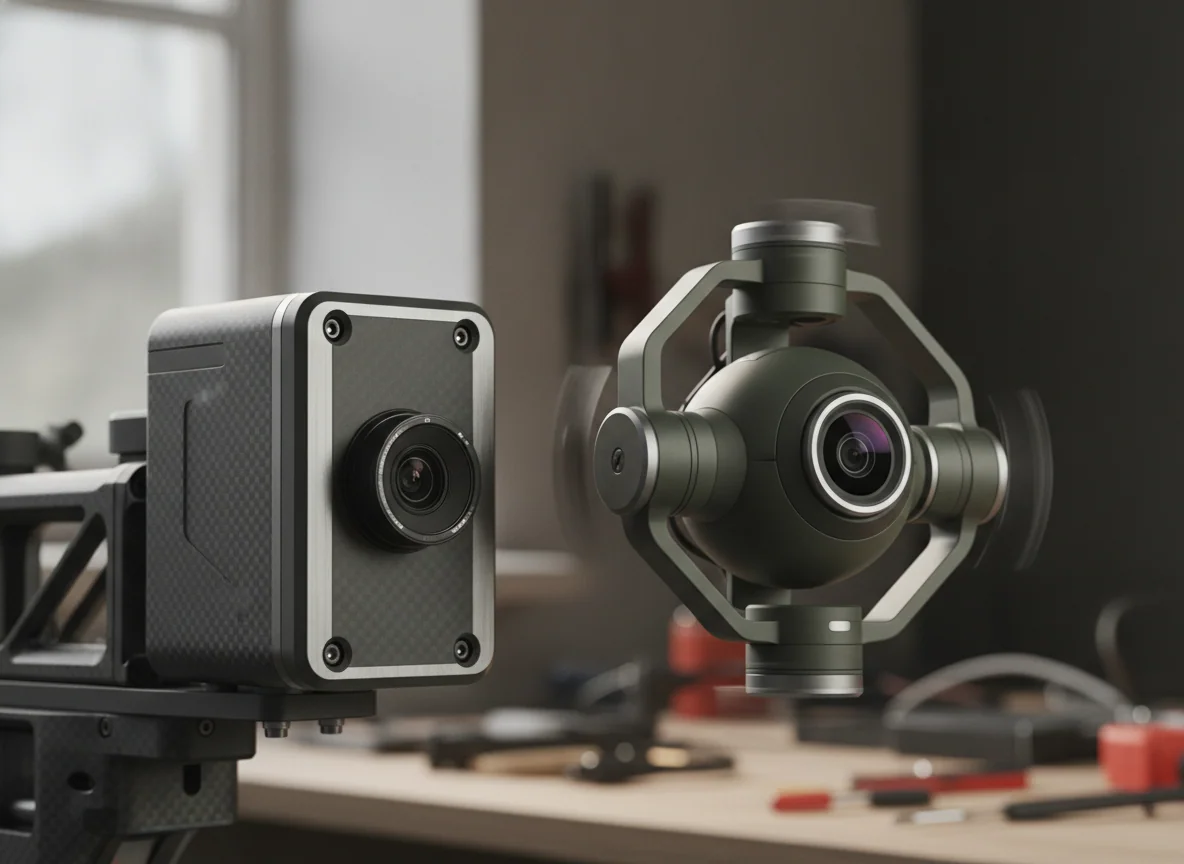
Follow Me exists on both and means two different things. On the SE the tracking is GPS-based: the drone is following the controller in your hand, not recognising your body, which is a substantially less impressive thing than the name suggests. The Atom 2 tracks visually, with Spotlight, Follow and Parallel modes that hold a box around a person, a boat or a car and keep it there. That is a real capability gap rather than a better version of the same feature. It also comes with fine print: the gimbal has to sit roughly between 25 and 75 degrees of tilt for tracking to engage, which quietly removes a slice of the shots people picture when they buy a tracking drone. Neither aircraft belongs at the top of our follow-me shortlist, and if that is the actual job you are buying for, start there instead.
The more serious shared failure is that the drone with the tracking is the drone with nothing watching where the tracking sends it. No forward sensors, no side sensors, a downward system that barely registers. On the SE that matters less, because a beginner flying an inexpensive aircraft in an open field is a small-consequence situation. On the Atom 2 it matters more, because the feature set invites you to chase a moving subject through terrain that has trees in it. There is a decent counter-argument, made honestly by plenty of owners, that learning without avoidance makes you a better pilot; there is also the roof-inspection pilot who got closer for a better shot and finished the afternoon knocking on a neighbour's door. What avoidance actually catches, and what it flies straight through should settle which of those you are.
Both drones are also fussy about memory cards in a way the boxes do not advertise, and no card is supplied with either. Potensic specifies only a U1 or C10 card for the SE, which is a low bar for 4K, and at least one owner has come back to find most of his recordings corrupt and unrecoverable. The Atom 2 is blunter about it and simply refuses, throwing a card-too-slow warning that forces you down from 4K to 2.7K until you fix it. Buy a fast, name-brand card for either aircraft and treat it as part of the purchase.
And then there is the pattern that sits behind the whole brand: Potensic ships quickly and patches afterwards, and that cuts both ways. Features promised at launch and missing from the box, including P-Log and waypoints, did eventually arrive on the Atom 2, the latter after the company had publicly denied ever promising them. A firmware update to the previous-generation Atom degraded its range, owners complained at length, and the change was never reversed. Transactional support, by contrast, is the most consistently praised thing about the company anywhere in the record: owners who broke aircraft through their own error describe replacements sent without much argument, on both models. The precise distinction is that Potensic is good at fixing your individual problem and poor at acknowledging one that affects everybody.
One SE-specific habit belongs here too, because it changes how you use the drone rather than how it flies. Its batteries lose meaningful charge sitting idle, half in a week by one owner's account and flat over a couple of months by another's. That makes the SE a plan-ahead aircraft rather than a grab-and-go one, which is an odd trait in a drone sold on being pocketable.
Potensic Atom SE

Potensic Atom 2
Which of these two is actually yours
The Atom 2 is the answer for most people reading this, and the reason is narrow rather than sweeping: it is the only one of the pair whose camera holds its horizon when the aircraft works for a living. Everything else you gain, the manual exposure, the panoramas, the vertical mode, the visual tracking, is welcome and none of it would be worth the gap on its own. The gimbal is worth the gap on its own.
The SE keeps a real case, and it is not a consolation prize. If what you want from the first year is confidence rather than footage, an inexpensive airframe with solid GPS hold, an accurate return to home and no geofencing to argue with is exactly the right tool, and reviewing the newer drone, Popular Mechanics still named the SE the best value among all the aircraft it recommends. It earns that. It is also the aircraft we point people toward in learning to fly without wrecking it, for the unglamorous reason that a treeline is an inconvenience at this price rather than a disaster.
What should stop you buying the SE is the moment you catch yourself thinking about the footage. That thought arrives faster than people expect, and the SE has no answer to it: one owner said in an otherwise five-star review that his only regret was not seeing the gimbal model before he bought. If you already know that footage is the point, do not buy the cheap one twice.
The cheap airframe you can afford to fly into a tree while you learn
It earns its place because GPS hold, a return to home accurate to a foot or two and a proper cabled radio controller all arrive at the bottom of the range, and the owner record is full of people who crashed it and carried on flying.
One stabilised axis cannot keep the horizon level while the airframe leans into wind, and with a fixed 118-degree view and no zoom of any kind, the only way to reframe a shot is to move the whole drone.
The one to buy if you intend to keep what you shoot
A mechanical three-axis gimbal, a 1/2-inch sensor at f/1.8, full manual exposure and a screen controller that removes the phone from every takeoff make this the only one of the two that is a camera first and a hobby aircraft second.
Nothing on the aircraft looks forward, which is the wrong pairing with tracking modes built to chase a moving subject, and 4K stops at 30fps while the headline 48-megapixel stills come out as heavily sharpened JPEGs.
If neither quite fits, the honest alternatives are close by. The SE's most common cross-shop is DJI's cheapest mini, which trades away tracking entirely in exchange for a more polished app and better support. We have that fight at Atom 2 against the Mini 4K and the tighter one at Atom 2 against the Mini 3, with the wider brand question in are Potensic drones as good as DJI. If the SE's budget is the hard constraint, the Holy Stone HS175D is the other GPS drone people put beside it. And if you simply want the best of this weight class regardless of badge, our sub-250g shortlist is the place to start.
Frequently Asked Questions
Is the Atom 2 just a newer version of the ATOM SE?
No, the jump from one stabilised axis to a full mechanical gimbal puts them in different classes of camera, and almost everything else that changed follows from that single decision.
Does the ATOM SE have a three-axis gimbal?
It does not, whatever the aggregator tables say, because Potensic's own product page describes a single mechanical axis with electronic stabilisation handling the rest.
Which one actually flies longer on a battery?
They are close enough not to matter, at roughly 22 to 25 real minutes per pack on the SE against 20 to 23 on the Atom 2, so the meaningful difference is that this Atom 2 bundle carries three batteries and a hub that charges them together.
Does either drone avoid obstacles?
Neither has forward, side or upward sensing, so on both aircraft the only thing between the propellers and a tree is you.
Will the PTD 1 screen controller work with my ATOM SE?
No, Potensic states in its own listing that the PTD 1 pairs with the Atom 2 and nothing else, including the company's later models.
Does Follow Me on the SE actually follow me?
It follows the controller in your hand by GPS rather than recognising you visually, which is the one place where the Atom 2's tracking is a genuinely different feature rather than a better version of the same one.
Do I need to register either of them?
Both sit under the 249g line that keeps recreational flying outside US registration, though the TRUST test still applies and any paid work needs registration and a Part 107 certificate regardless of weight, which we cover properly in our guide to sub-250g rules and Remote ID .
Should I skip both and wait for the Atom 3?
It improves the sensor, the frame rates and the controller, but its larger battery option breaks the sub-250g line that is this class's whole legal advantage, and new owners were already posting problems within weeks of launch, so we take that argument apart at Atom 2 against Atom 3 .
What should I buy alongside whichever one I choose?
A fast name-brand microSD card first, since neither drone ships with one and both will punish a slow card, and beyond that our list of what the Atom 2 actually needs covers the rest.
Ready to Choose?
Sources (6)
- Amazon listings and customer reviews — Potensic Atom Se and Potensic Atom 2
- Owner reports across r/Potensic threads
- Potensic — Article — store.potensic.com
- Digitalcameraworld — Article — www.digitalcameraworld.com
- Popularmechanics — Article — www.popularmechanics.com
- Gagadget — Article — gagadget.com